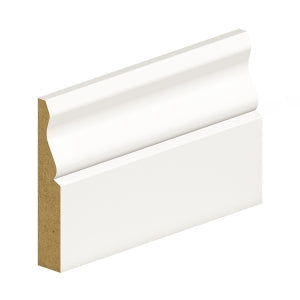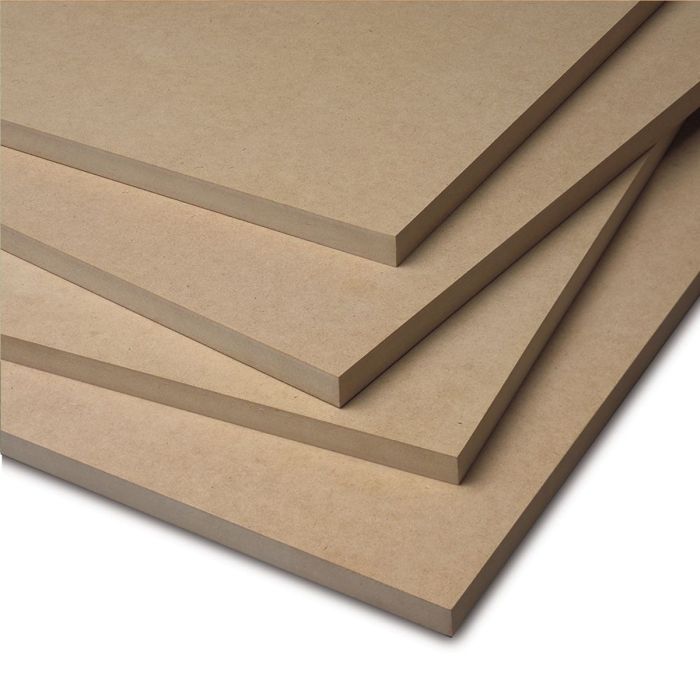
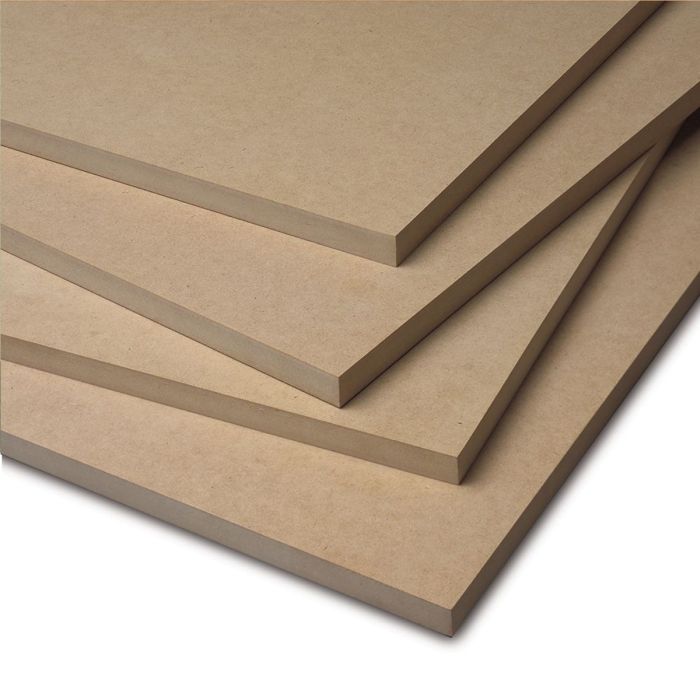
Quick answer: MDF faces are already smooth, but cut edges are much more absorbent. For a clean painted finish, sand the cut edge smooth, apply MDF primer, let it dry, sand lightly, then repeat where needed before the topcoat.
Sand the cut edge before priming
Start by removing obvious roughness from the cut edge. The aim is a smooth, even edge rather than rounding it over. The factory face normally needs far less preparation than a fresh cut edge.
Prime the MDF edge before the topcoat
Apply a suitable MDF primer to the cut edge. Primer can raise the fibres slightly as it dries, so let it cure and sand the edge lightly before the next coat. A second primer coat is often useful where the edge still feels rough or absorbs unevenly.
Light sanding between coats gives the smoothest finish
Once the primer has dried, de-nib the surface rather than aggressively sanding back to bare MDF. Remove the dust, then apply the next coat. Repeat only as much as needed to get the edge feeling as smooth as the face.
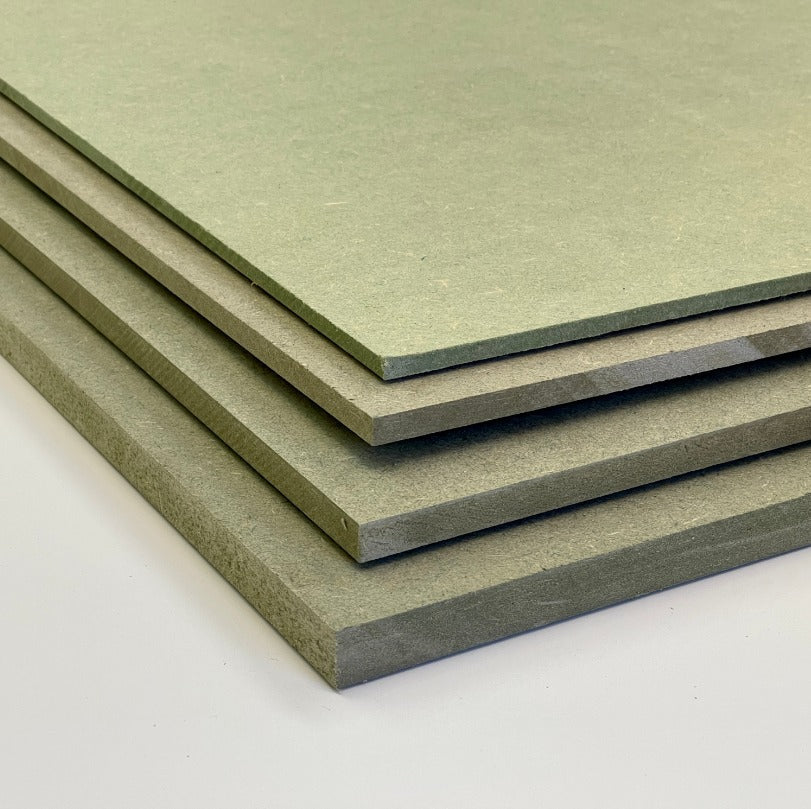
MR MDF edges still need finishing
Moisture resistant MDF is useful in humid interiors, but cut edges should still be properly primed and painted as part of the finished job.
Need the board first? Browse our MDF Sheets & Boards range.