
What is guttering?
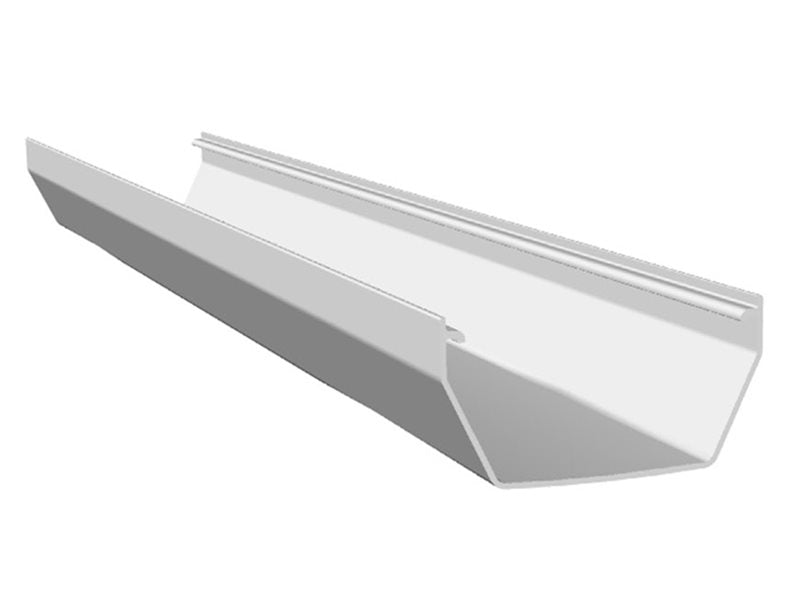
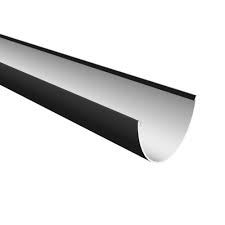
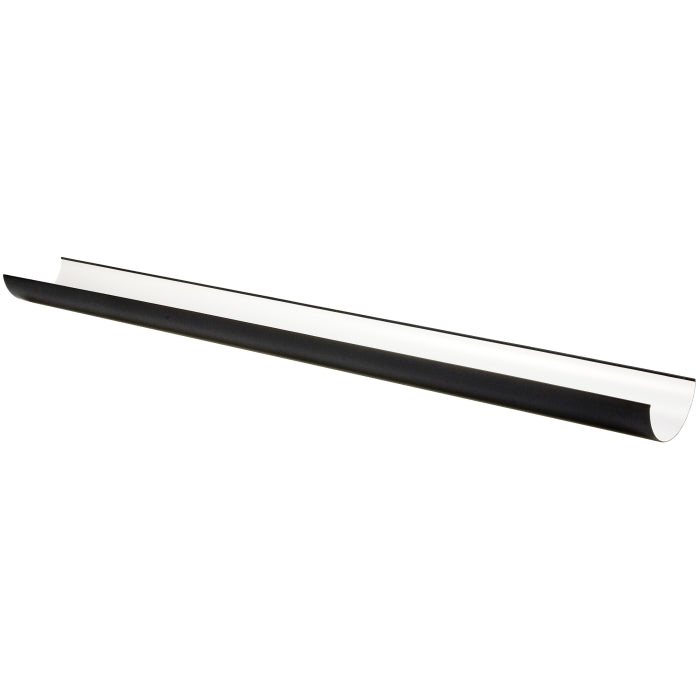
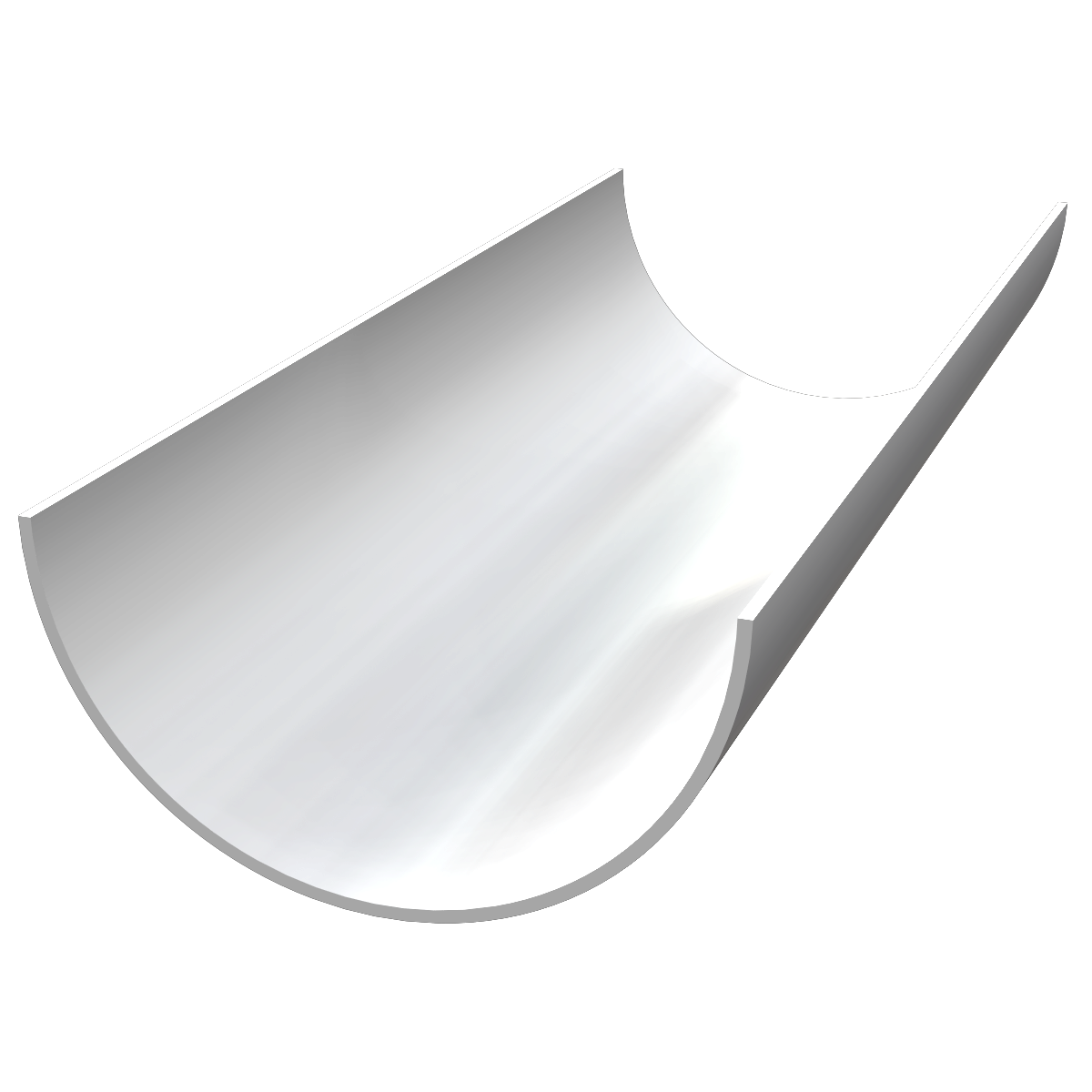
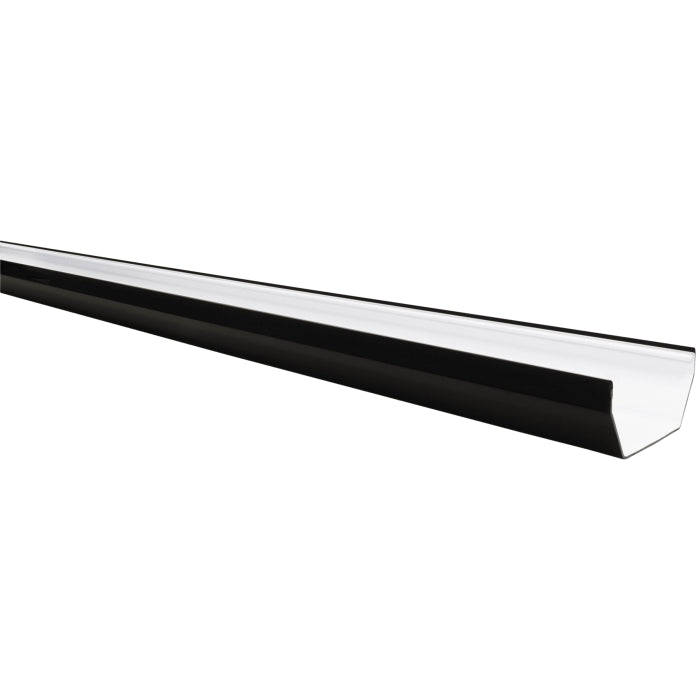
Guttering is a roof drainage system designed to collect rainwater from roof edges and direct it safely away from a building. It helps prevent water damage to walls, foundations, and surrounding areas by controlling how water flows off the roof.
What are gutter fittings used for?
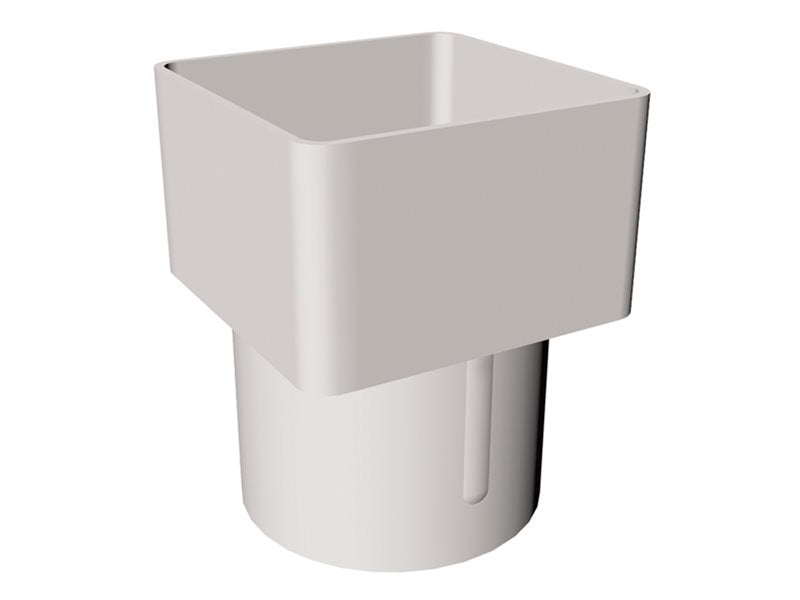
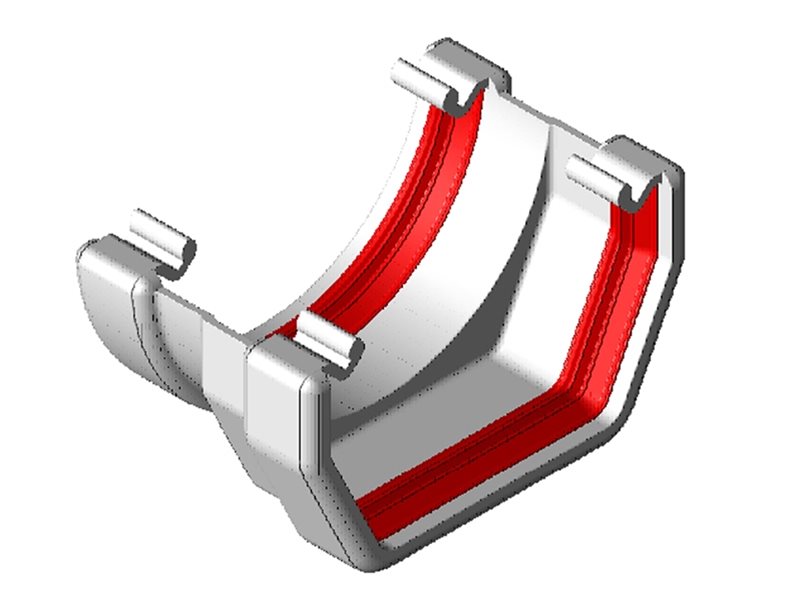
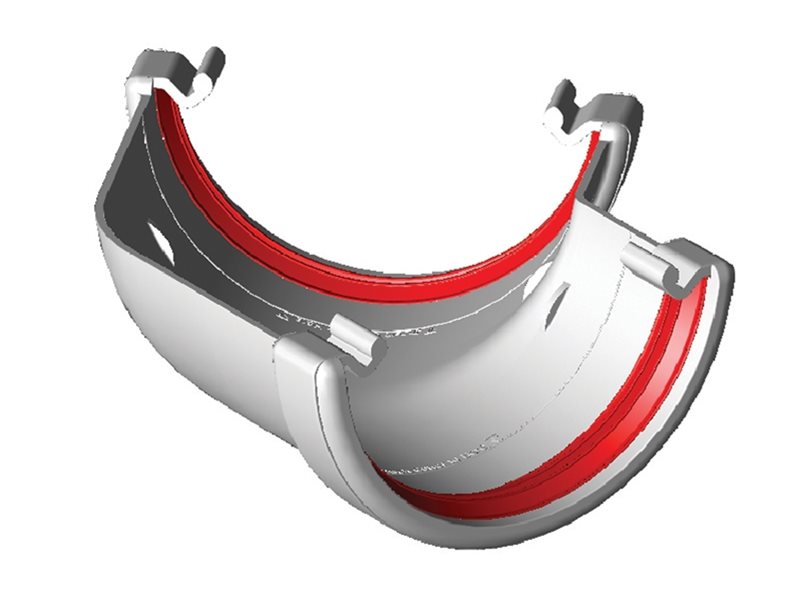
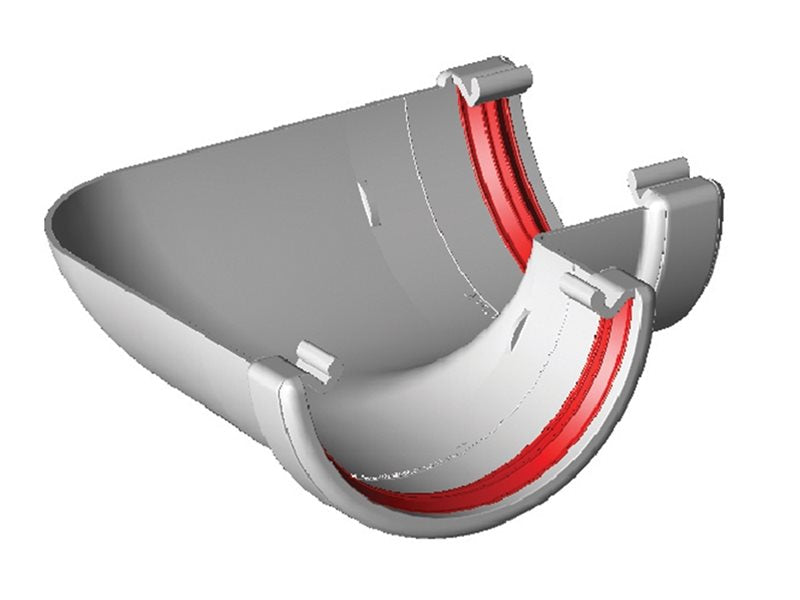
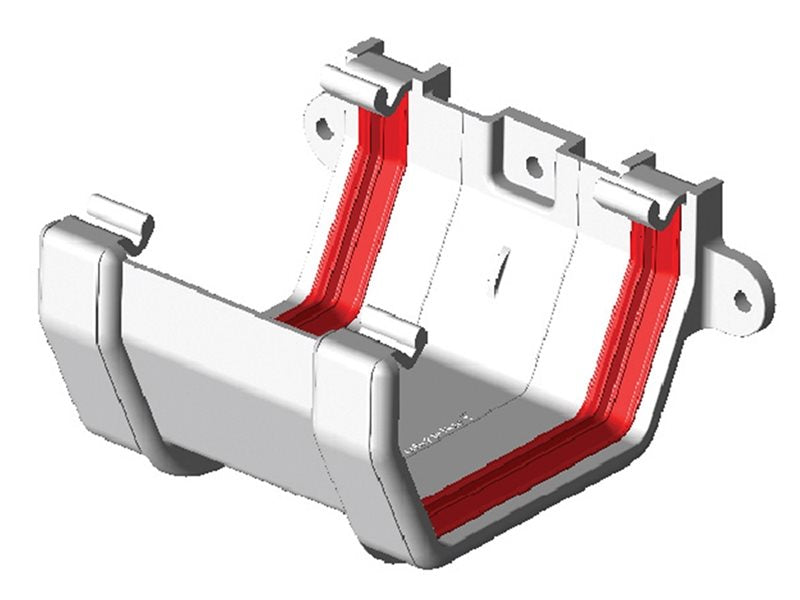
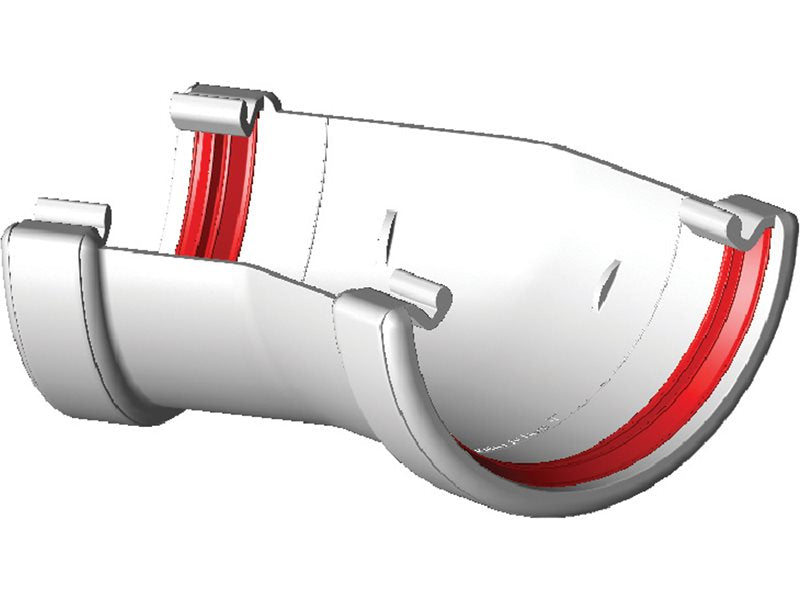
Gutter fittings are used to connect, support, and control the direction of a guttering system. These components ensure the system is secure, watertight, and correctly aligned for effective water flow.
Guttering components and fittings explained
A complete guttering system includes multiple components that work together. Choosing the correct fittings ensures the system performs reliably and remains secure over time.
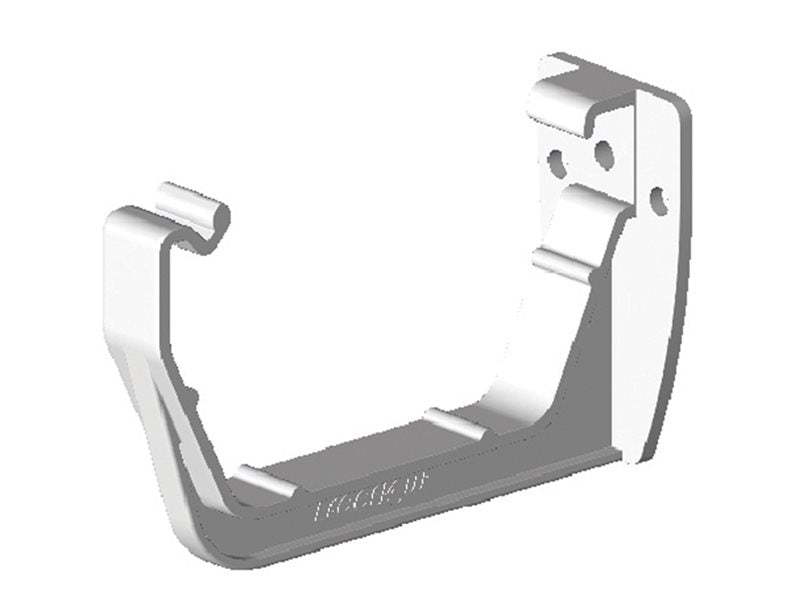
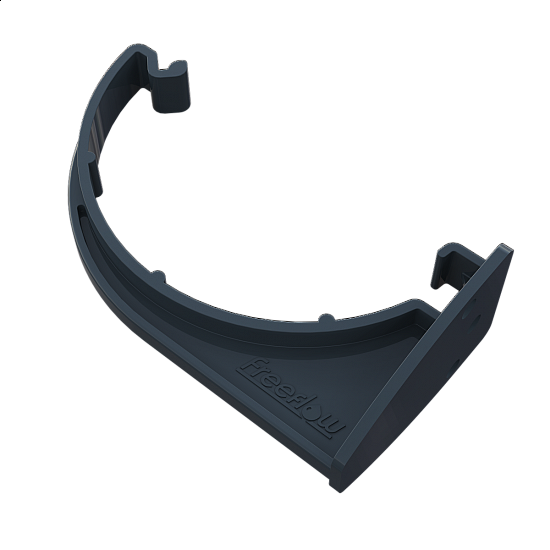
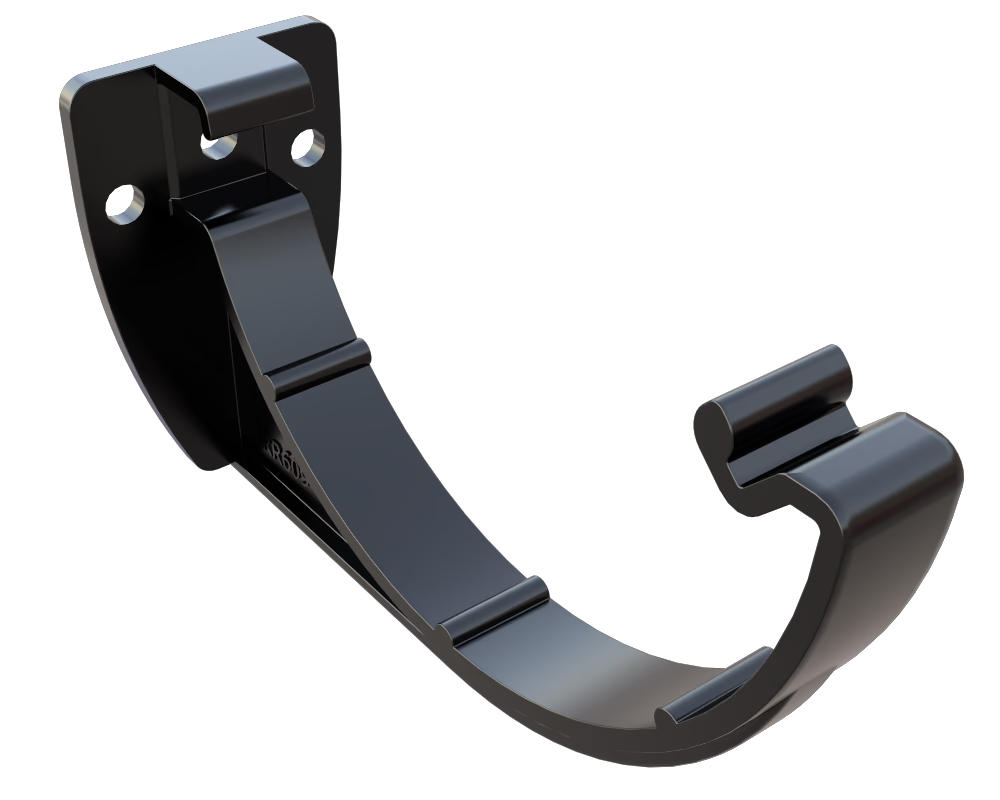
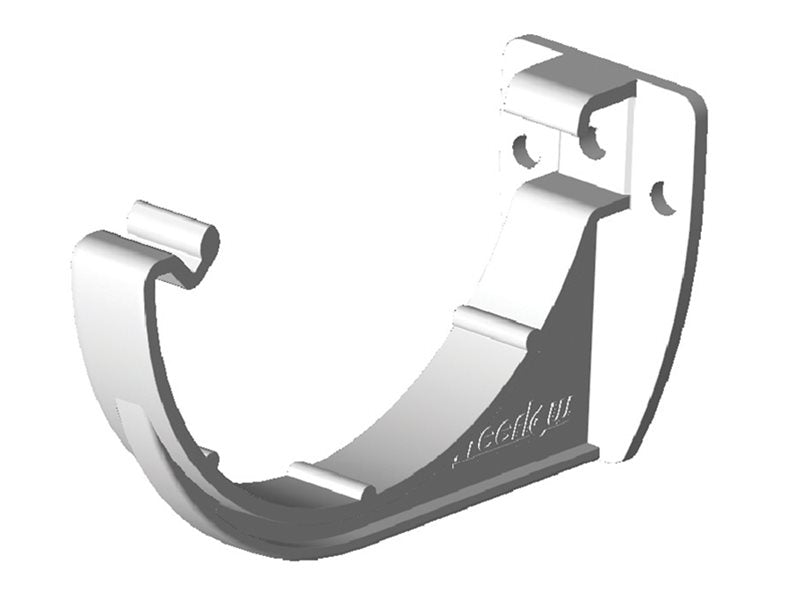
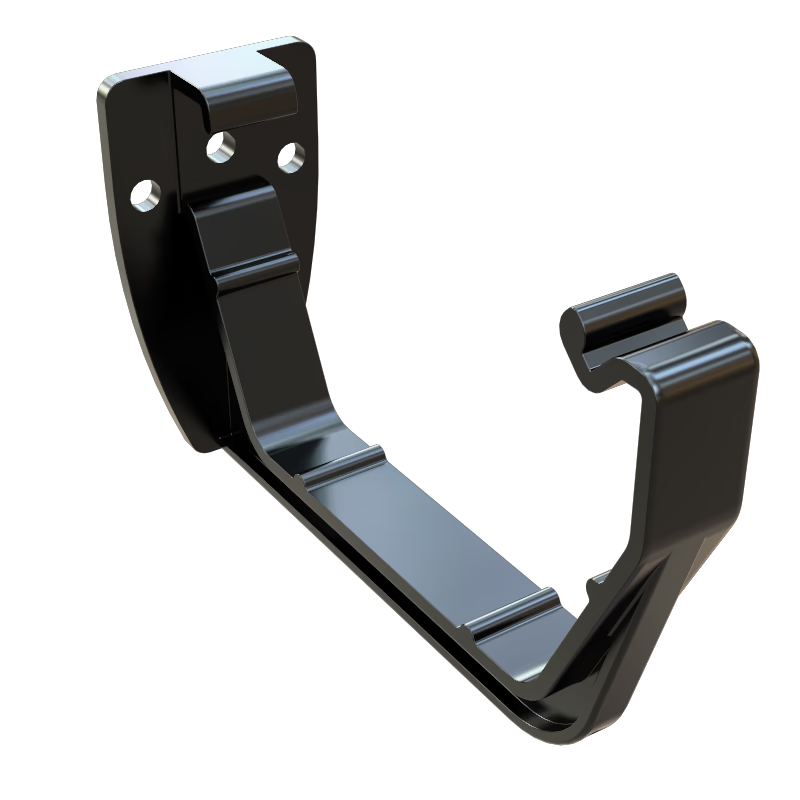
- Fascia brackets to support gutter lengths
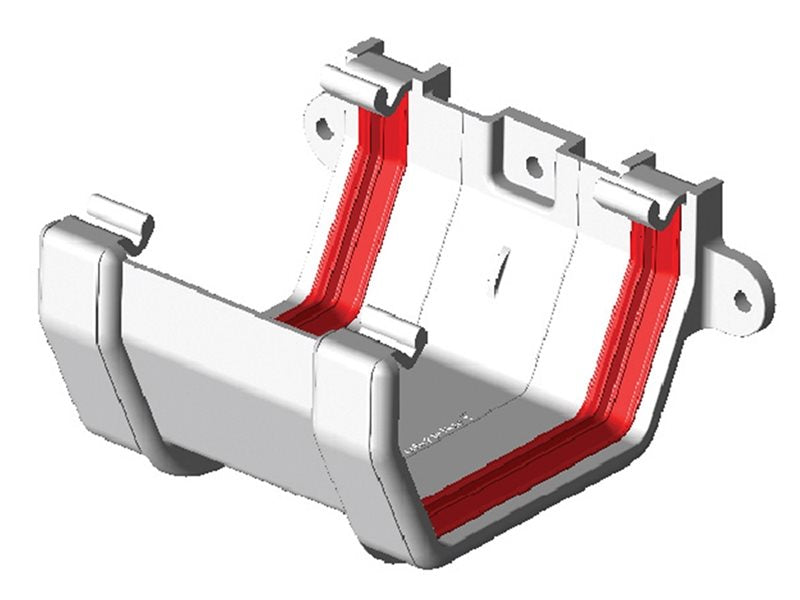
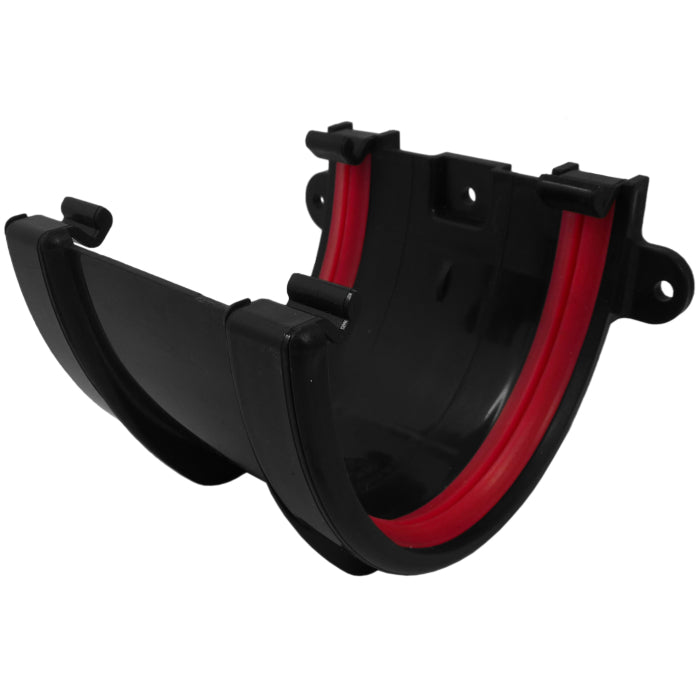
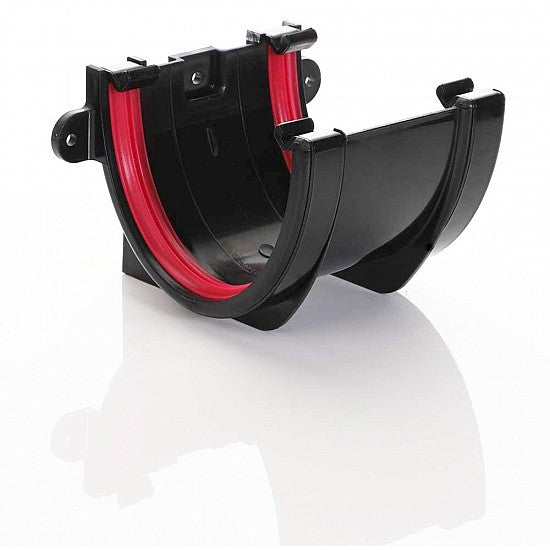
- Union connectors to join sections
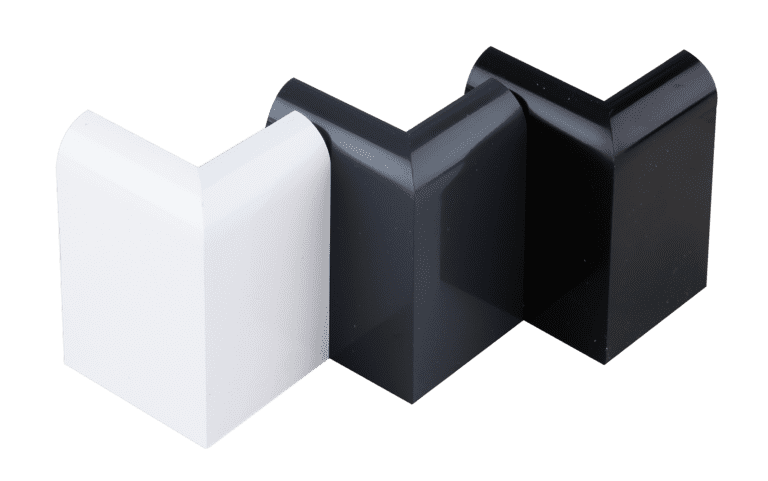
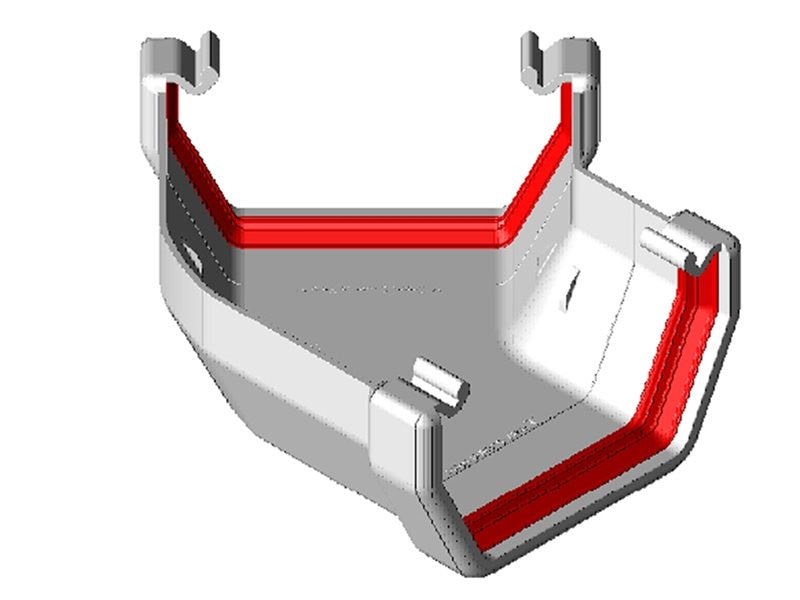
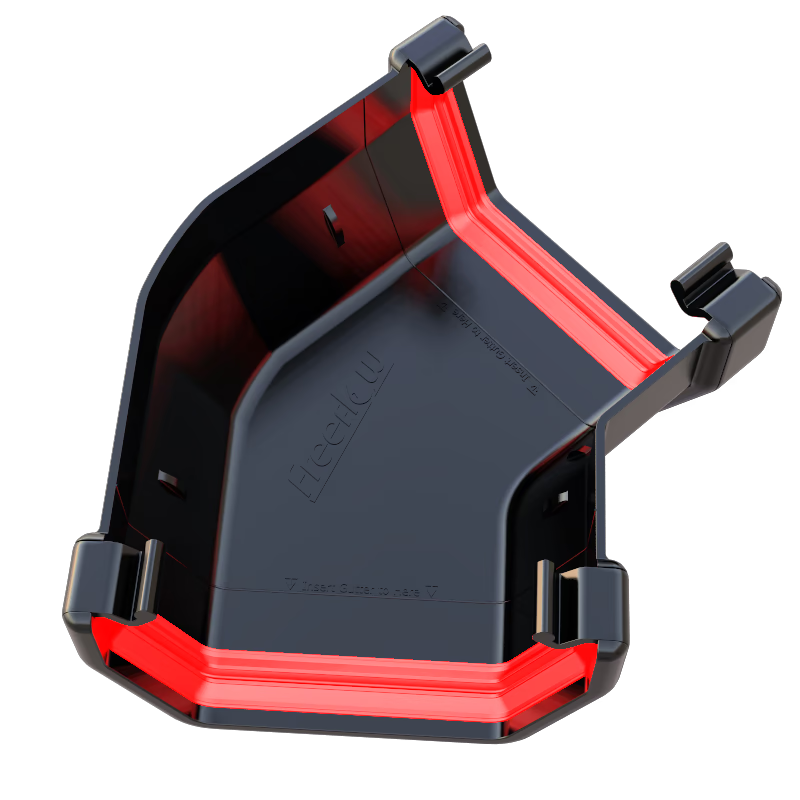
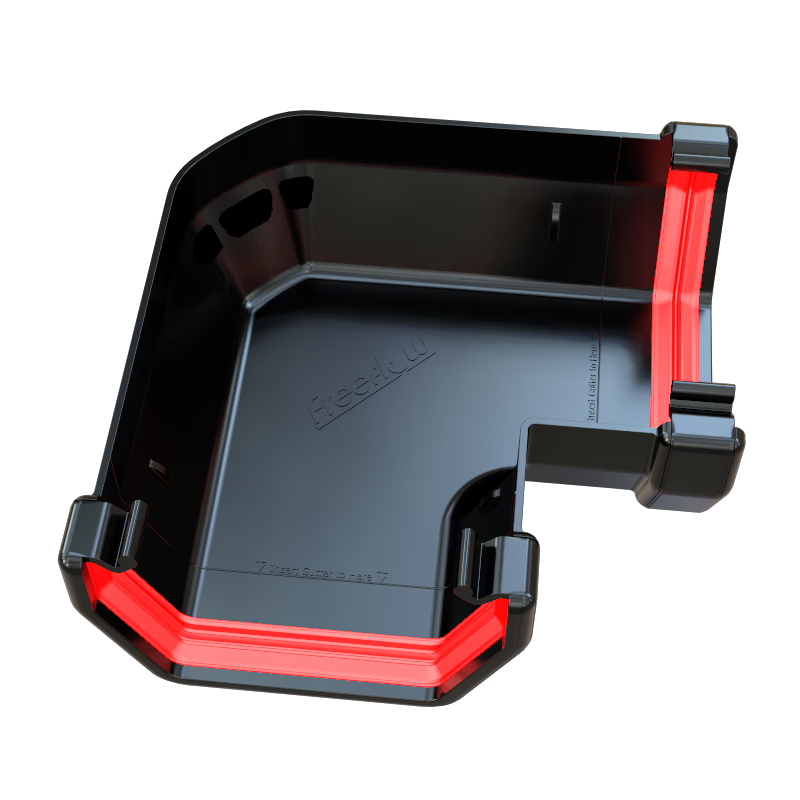
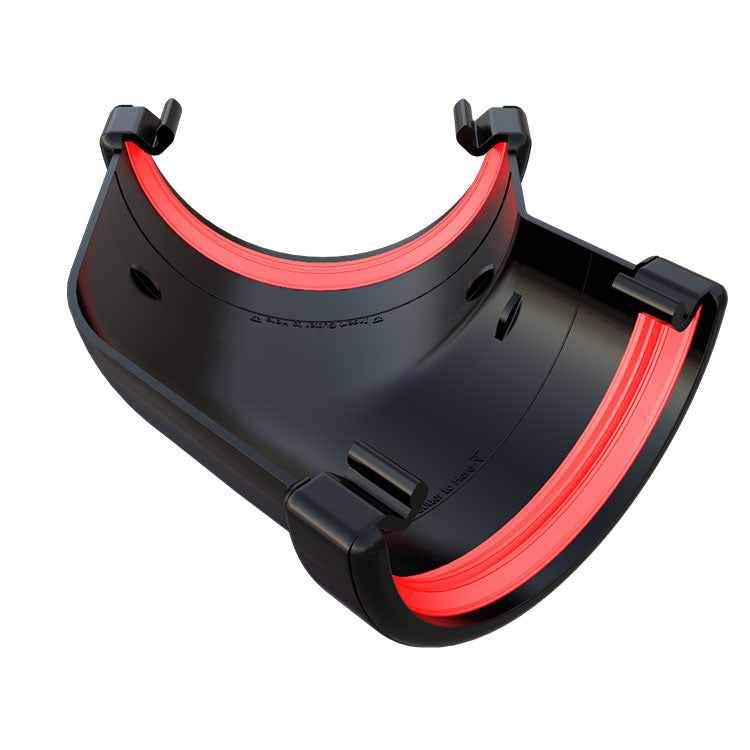
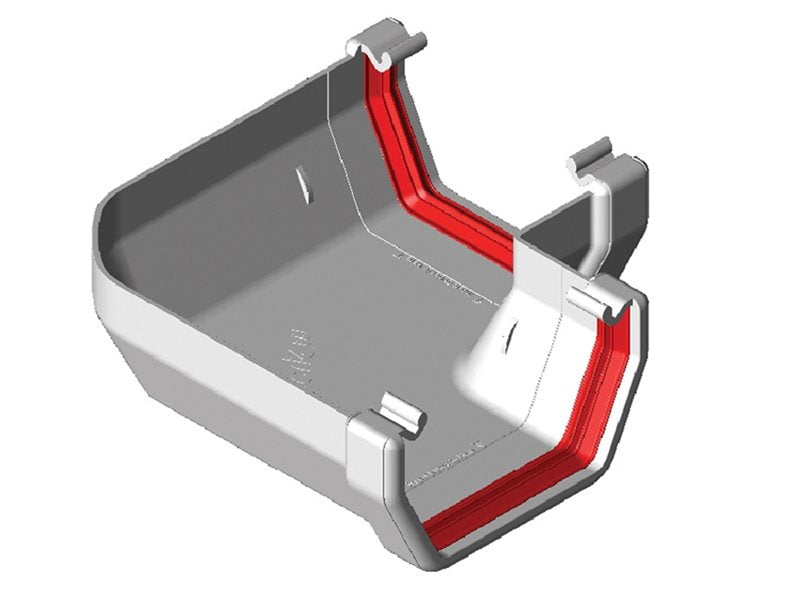
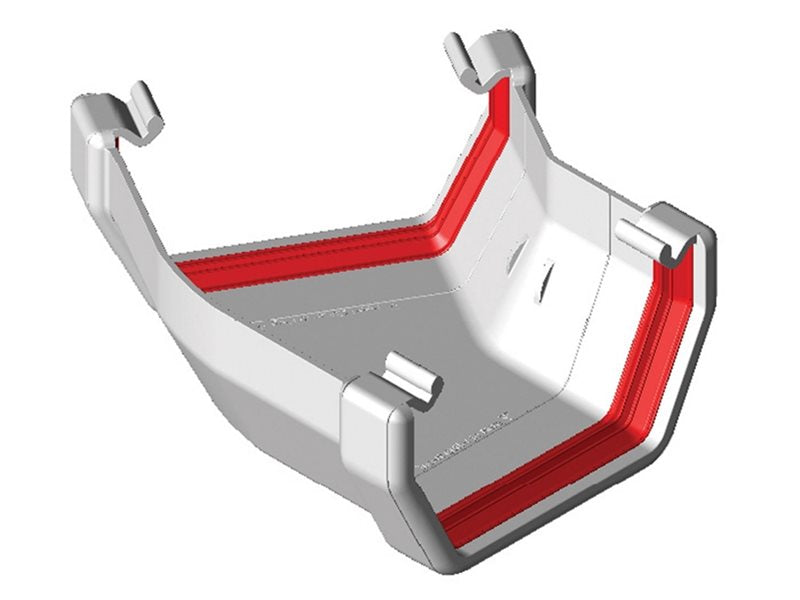
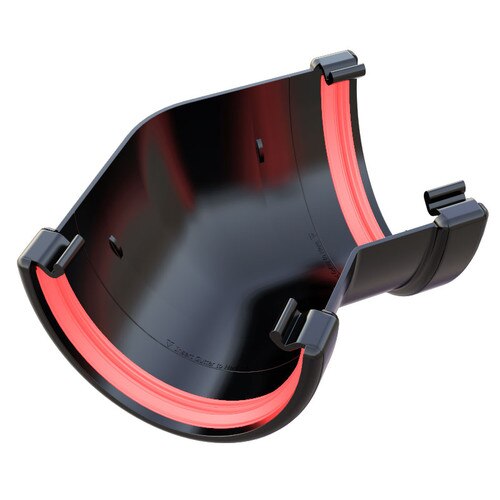
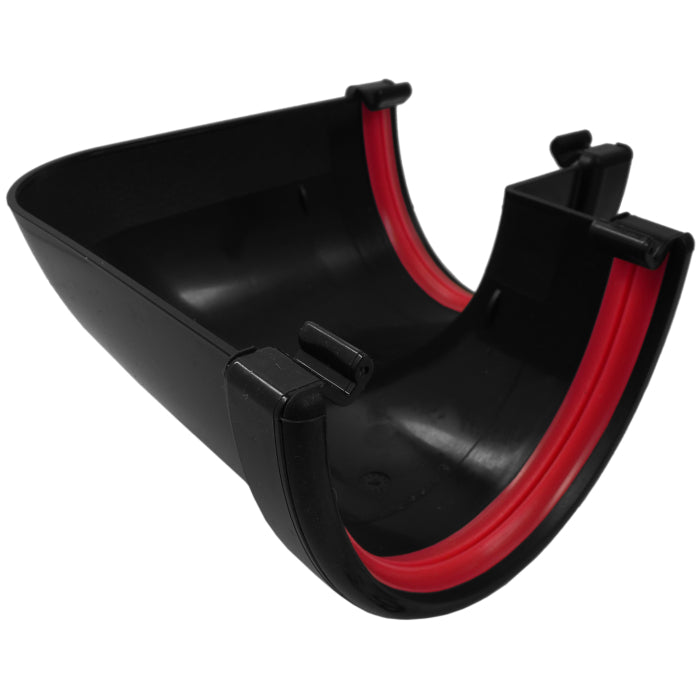
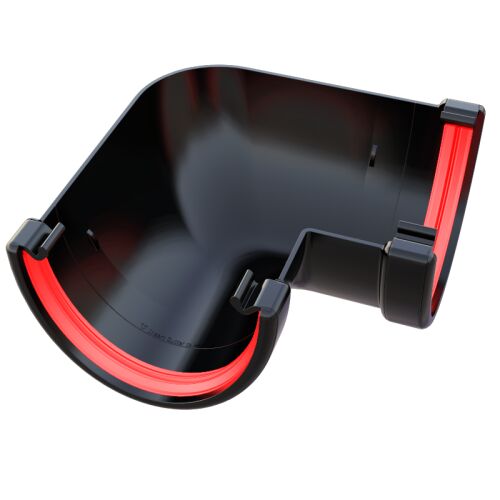
- Angles for corners and direction changes
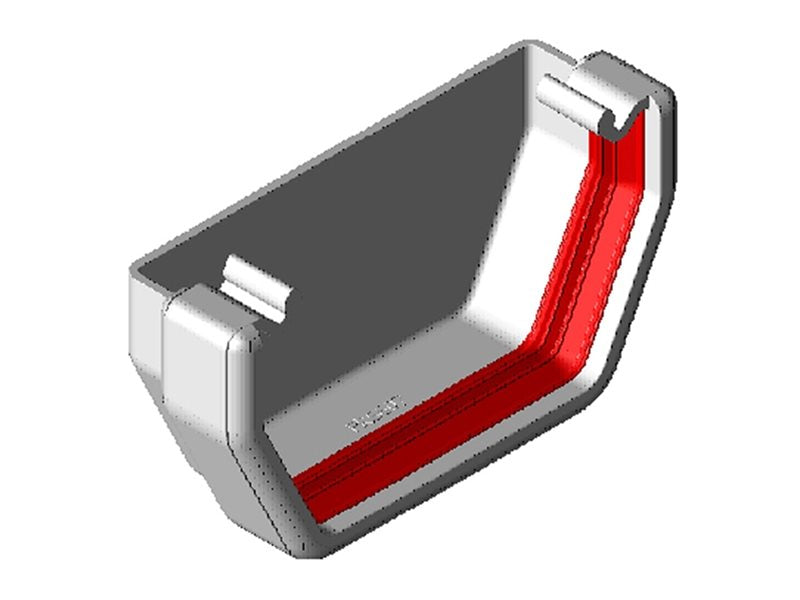
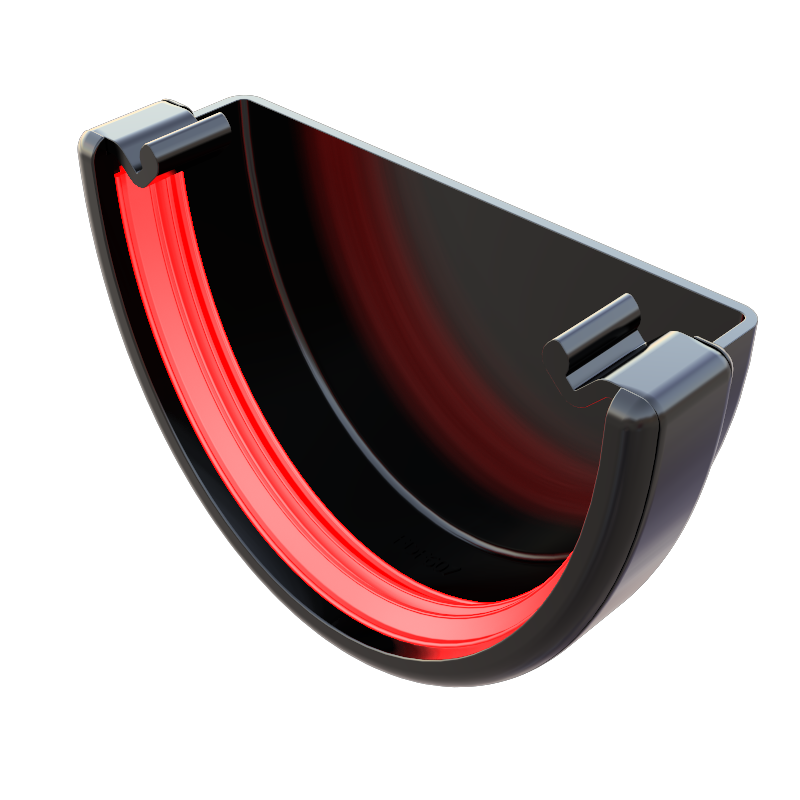
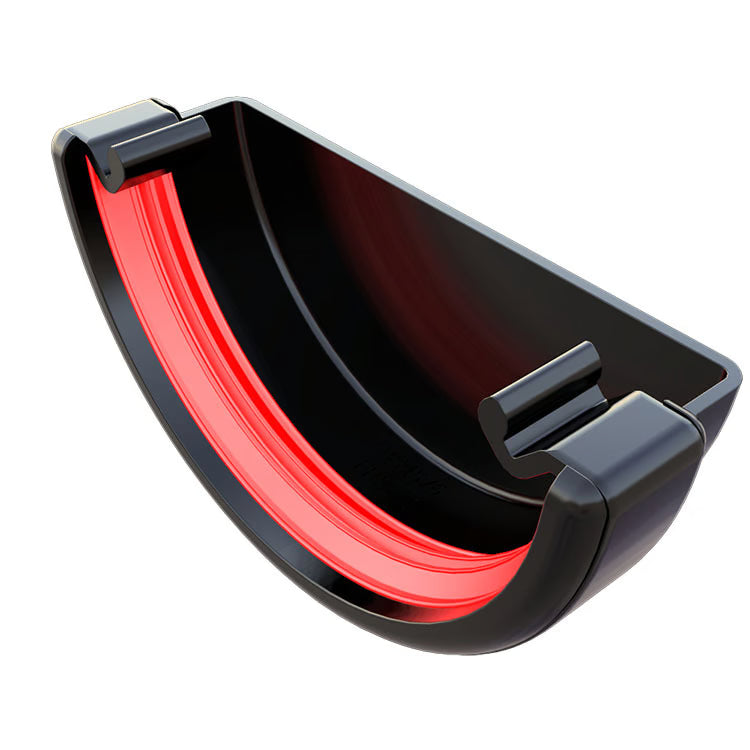
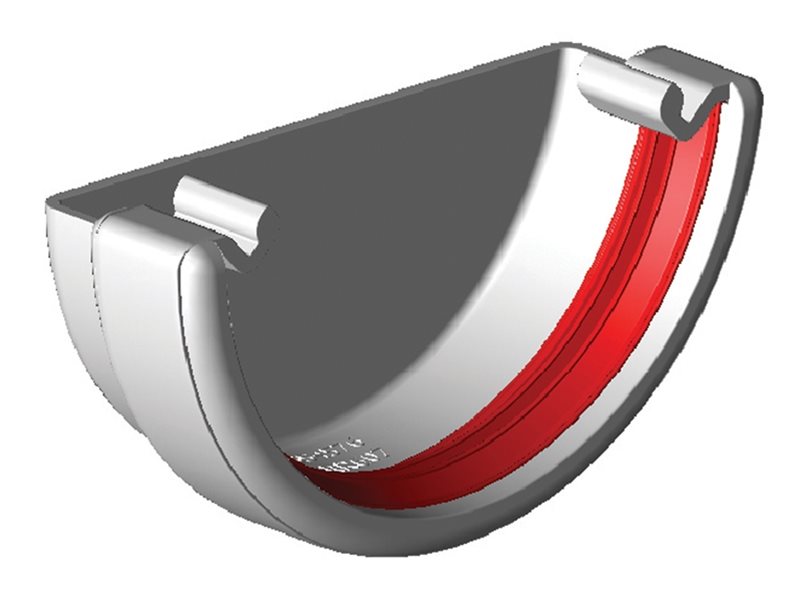
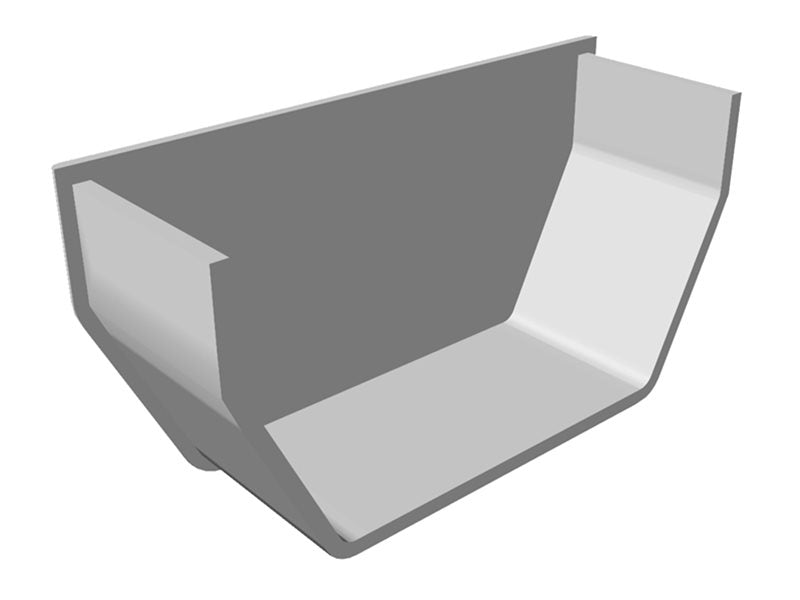
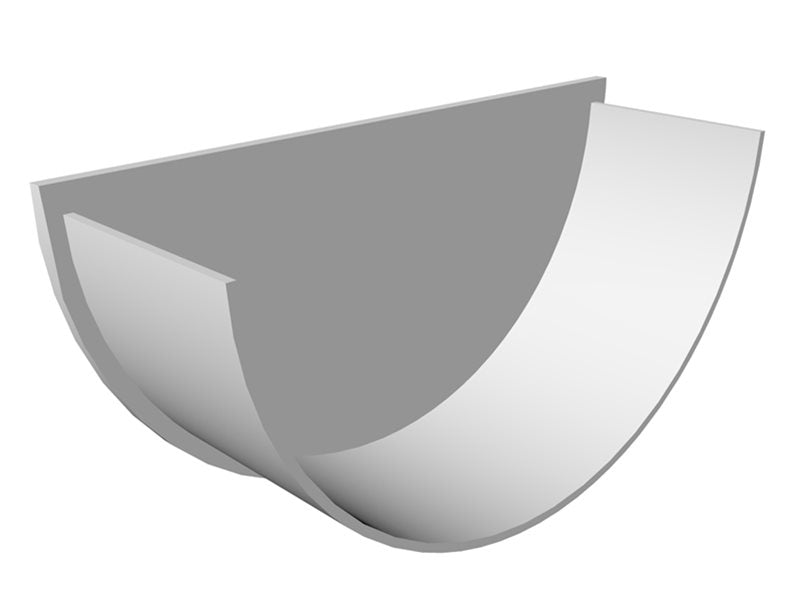
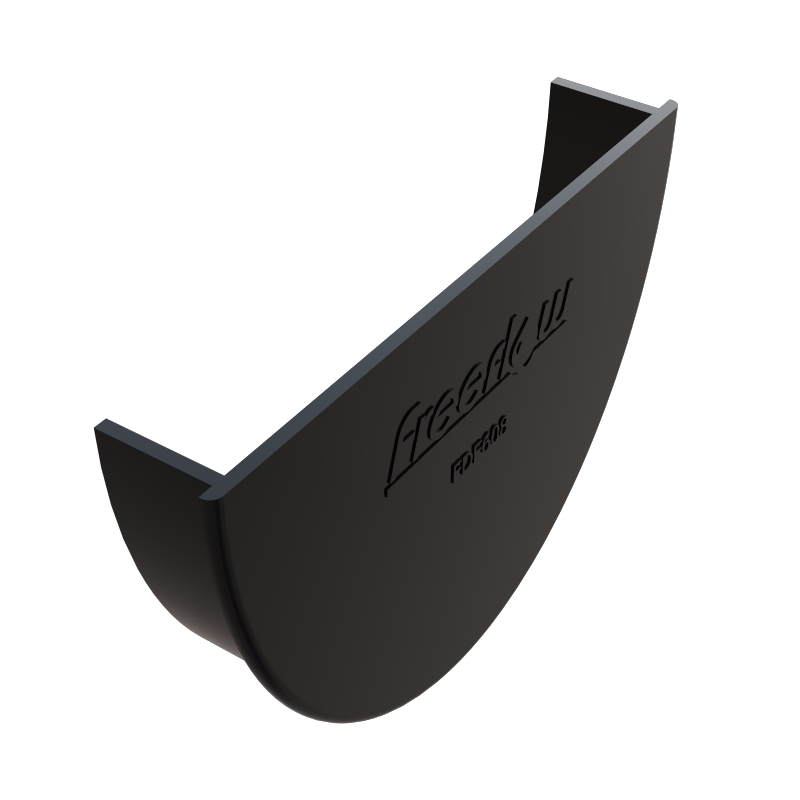
- Stop ends to close system ends
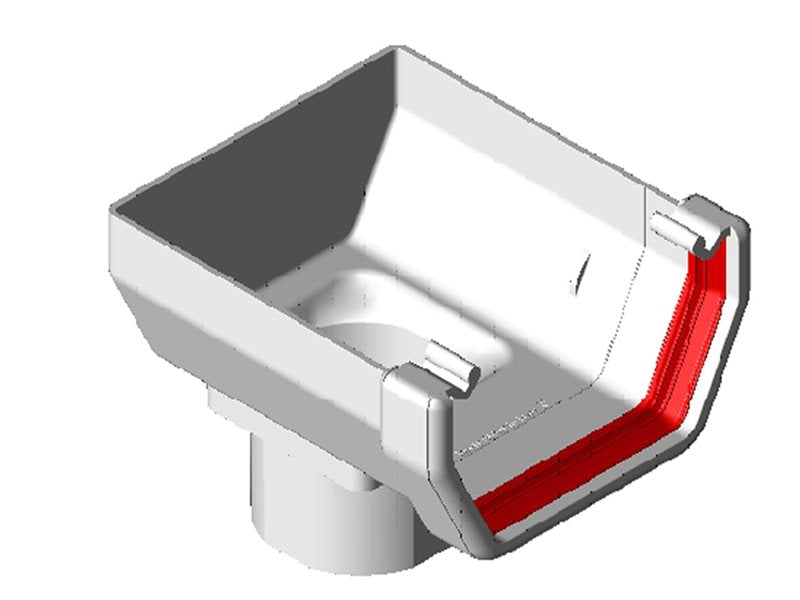
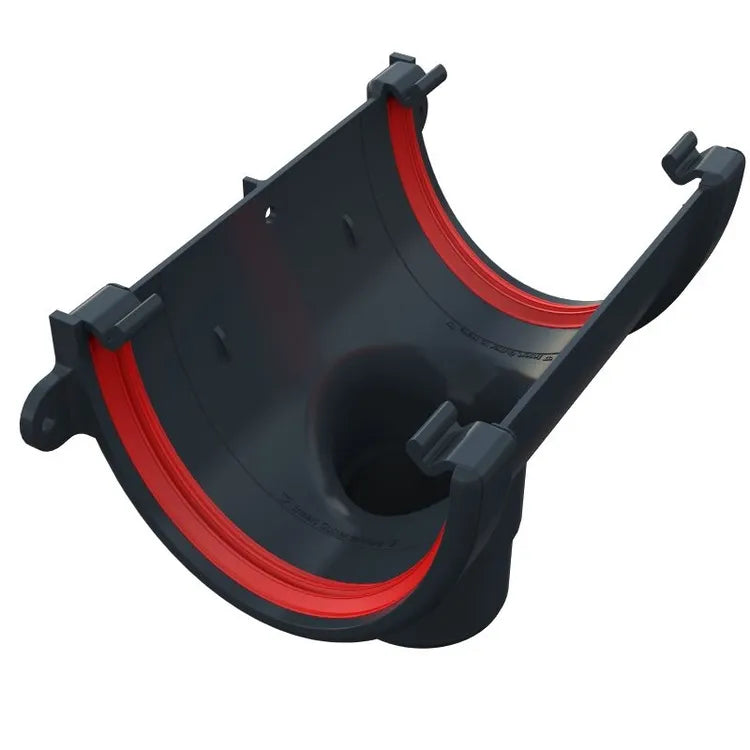
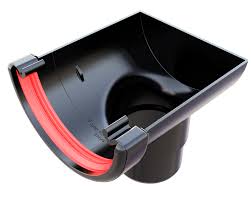
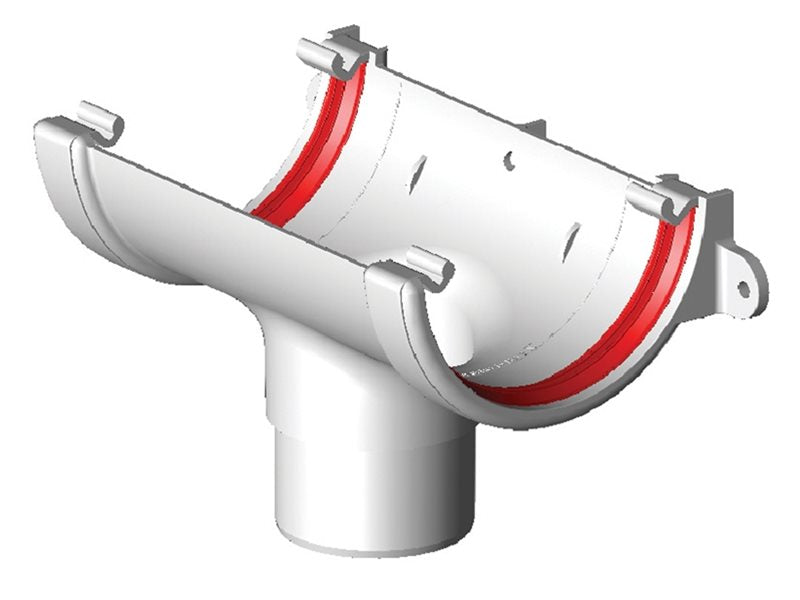
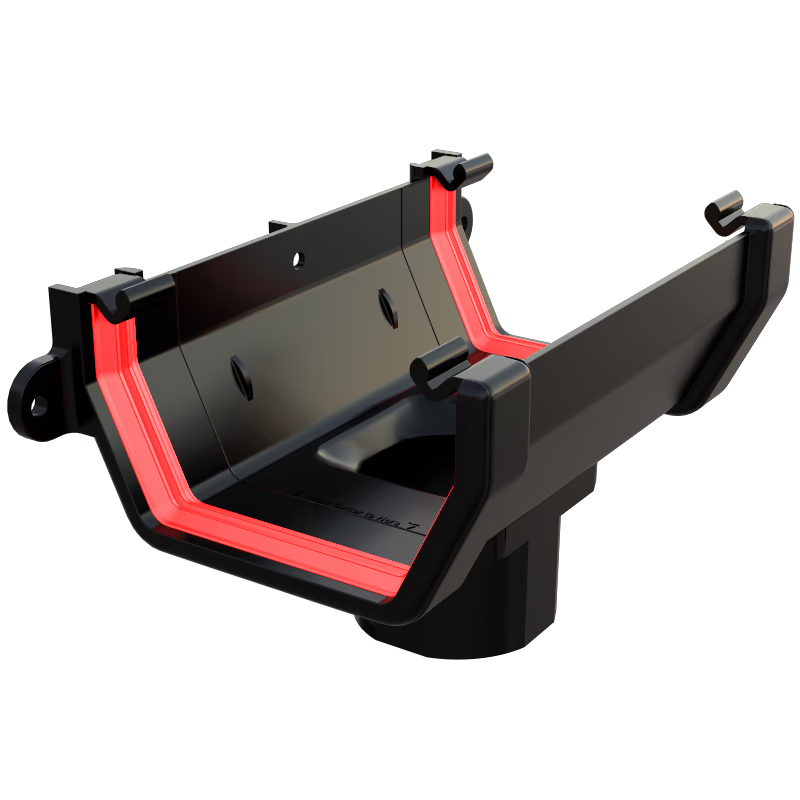
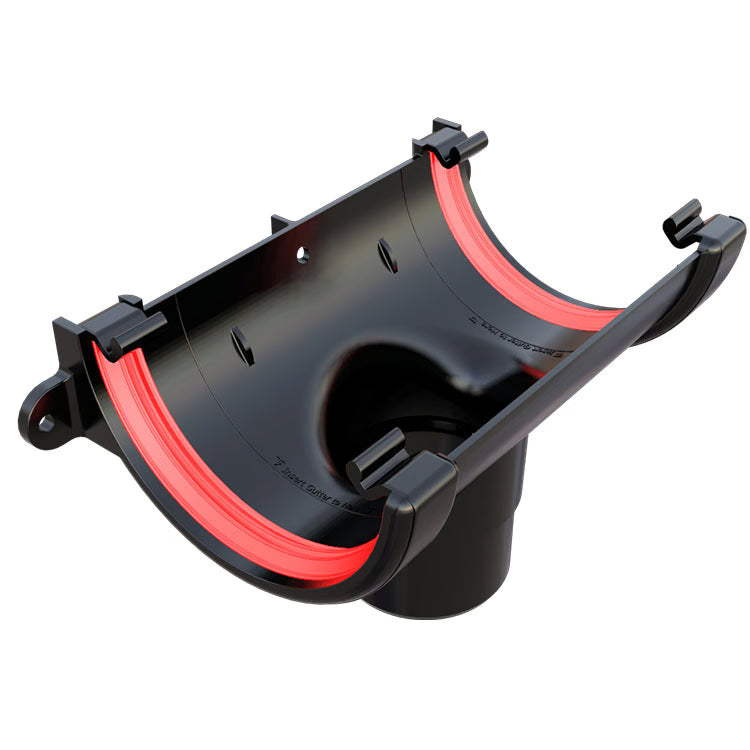
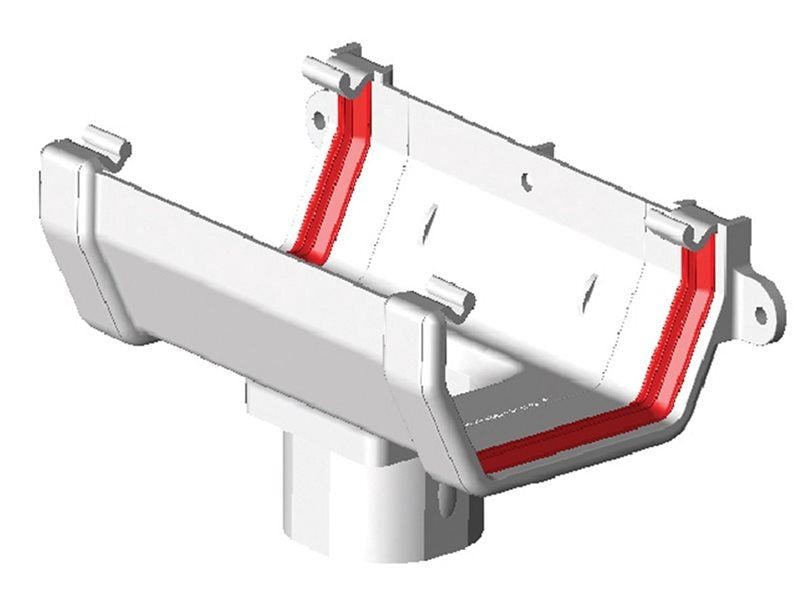
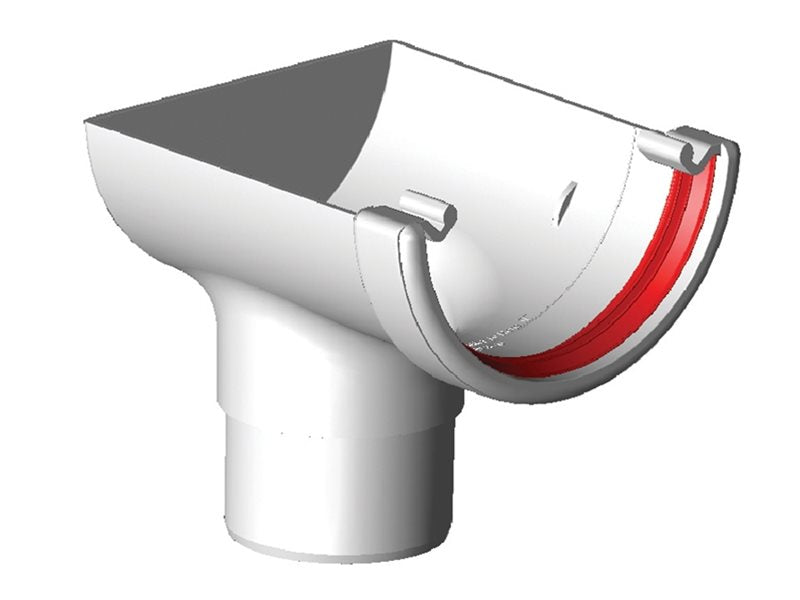
- Running outlets to connect into downpipes
Choosing the right guttering system
The right guttering depends on roof size, pitch, and expected rainfall. Larger roofs or areas with heavier rain may require higher capacity systems such as deepflow guttering to manage water effectively.
Ensuring all components are compatible within the same system is essential for a proper fit and long-term performance.
Gutters vs gutter fittings
Gutters are the main channels that collect rainwater, while fittings are the supporting components that hold and connect the system together. Both are required to create a complete and functional drainage setup.
Guttering and downpipes
While guttering collects water along the roofline, downpipes carry the water down to ground level drainage. These systems must work together, but are often supplied as separate components to allow flexibility in installation.
For compatible downpipe systems, view the dedicated downpipes and fittings collection.
Common mistakes when installing guttering
- Incorrect bracket spacing causing sagging
- Insufficient fall leading to standing water
- Mixing incompatible fittings
- Using undersized systems for large roofs
Correct installation and component selection are essential to ensure the system works effectively and lasts over time.
FAQs
What is guttering used for?
Guttering is used to collect rainwater from a roof and direct it away from a building. It helps prevent water damage by controlling the flow of water and reducing the risk of overflow around walls and foundations.
What fittings do you need for guttering?
Guttering systems require fittings such as brackets, unions, angles, outlets, and stop ends. These components support the gutter, connect sections, and allow water to flow correctly into the drainage system.
What is the difference between gutters and downpipes?
Gutters run along the roof edge and collect rainwater, while downpipes carry the water vertically to ground level. Both are essential parts of a complete roof drainage system but serve different functions.
How do you choose the right guttering?
Choosing the right guttering depends on roof size, rainfall levels, and system capacity. Larger roofs or heavy rainfall areas may require higher capacity systems to prevent overflow and ensure effective drainage.
Can you mix gutter fittings?
Mixing fittings from different systems is not recommended, as compatibility can vary between manufacturers. Using matching components ensures a secure fit and reduces the risk of leaks or failure.