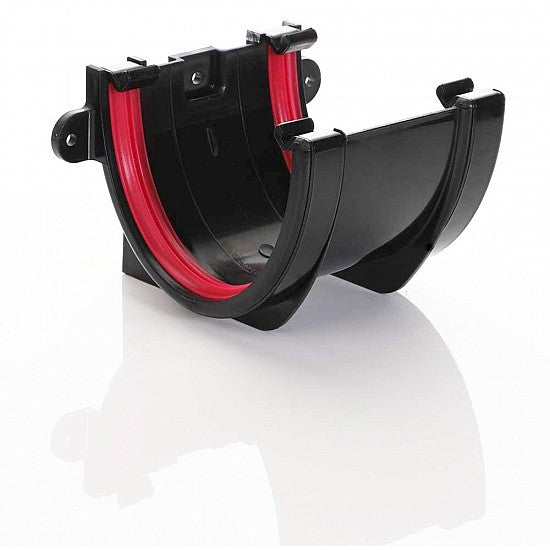
Deepflow Gutter & Fittings

8 products

Showing 1 - 8 of 8 products

Showing 1 - 8 of 8 products
View
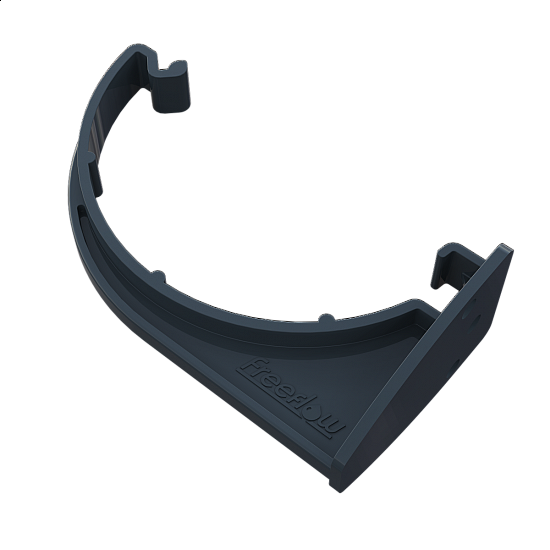
Black Deepflow Gutter Fascia Bracket uPVC – FDF609
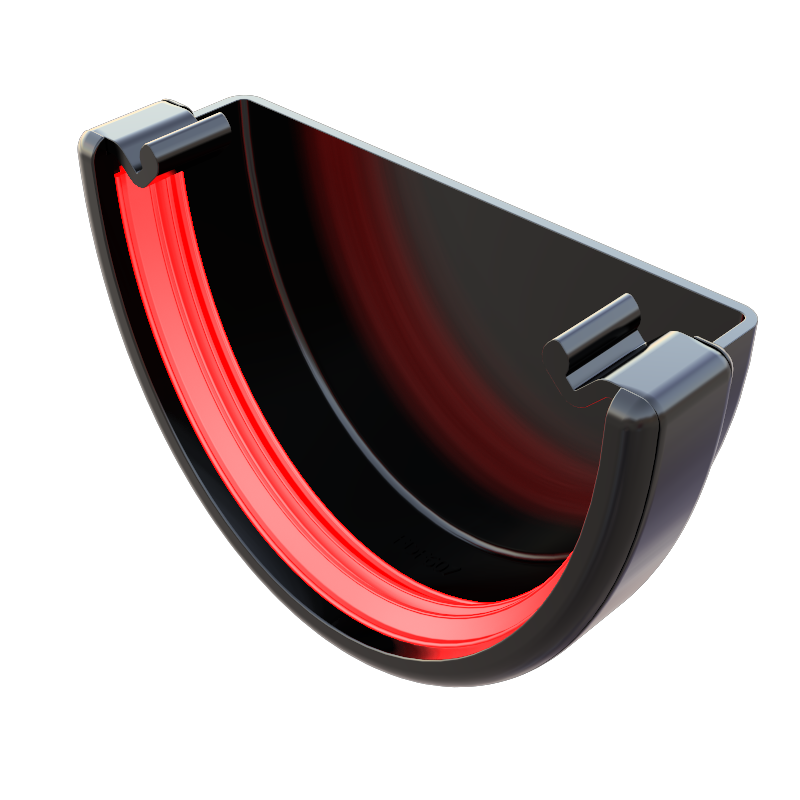
Black Deepflow Gutter External Stopend uPVC – FDF607
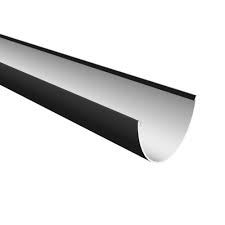
4m Deepflow Gutter Black uPVC Roof Guttering – FDG400
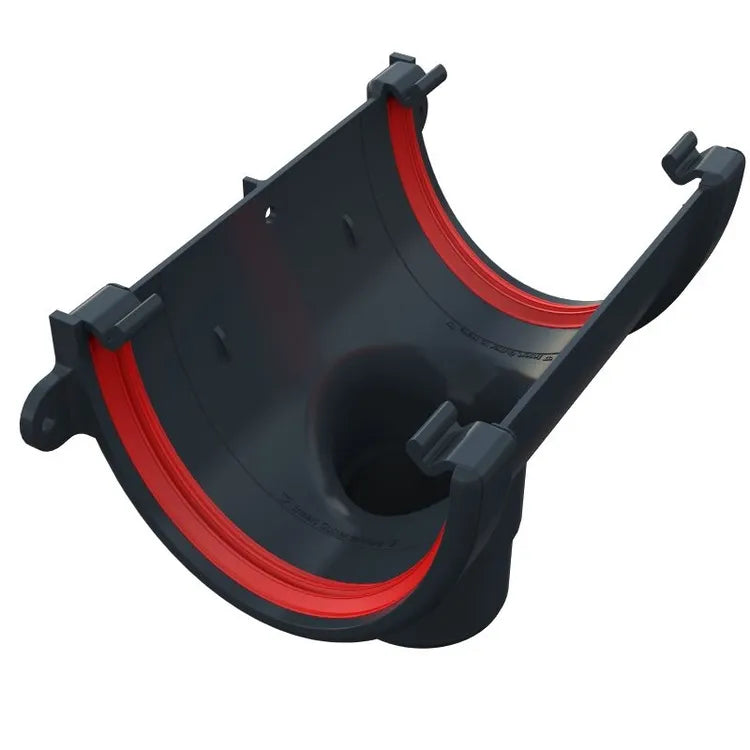
Black Deepflow Gutter Running Outlet uPVC – FDF605
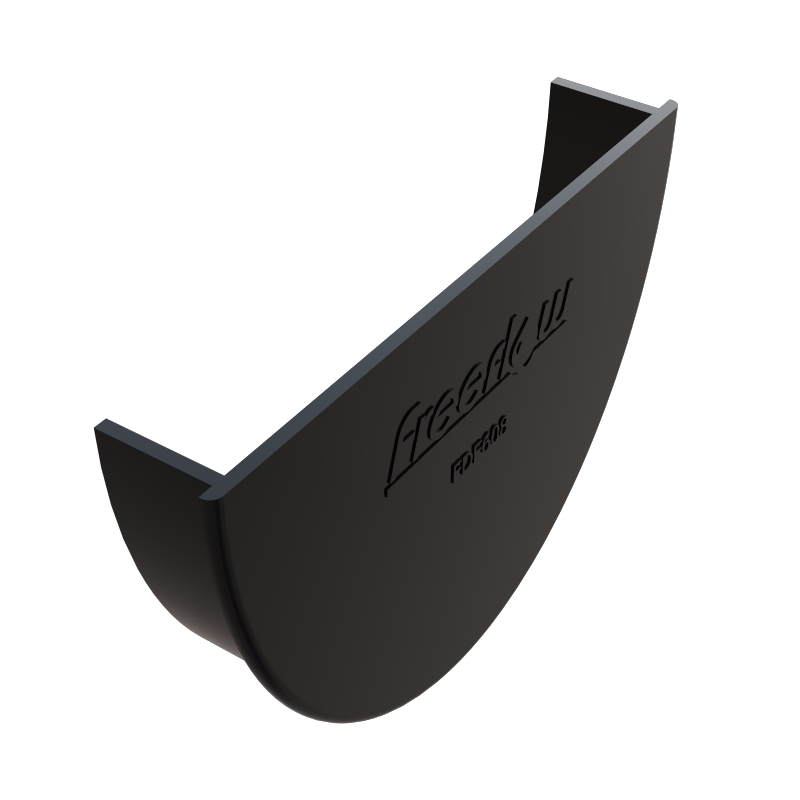
Black Deepflow Gutter Internal Stopend uPVC – FDF608
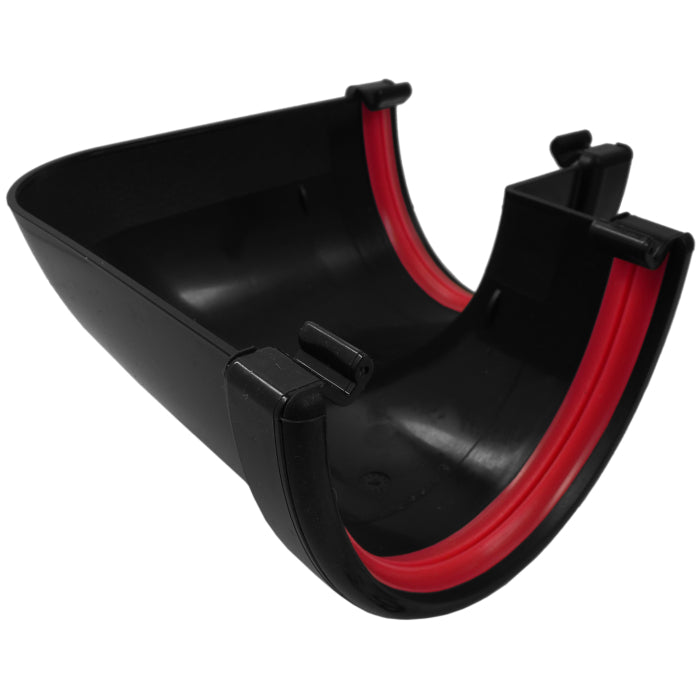
Black Deepflow Gutter 135° Angle uPVC – FDF604
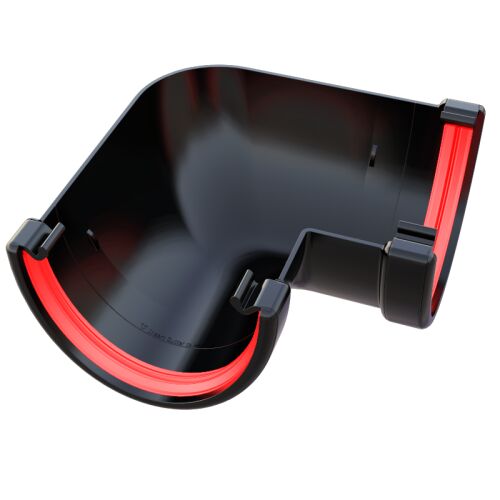
Black Deepflow Gutter 90° Angle uPVC – FDF603Black Deepflow Gutter 90° Angle uPVC – FDF603
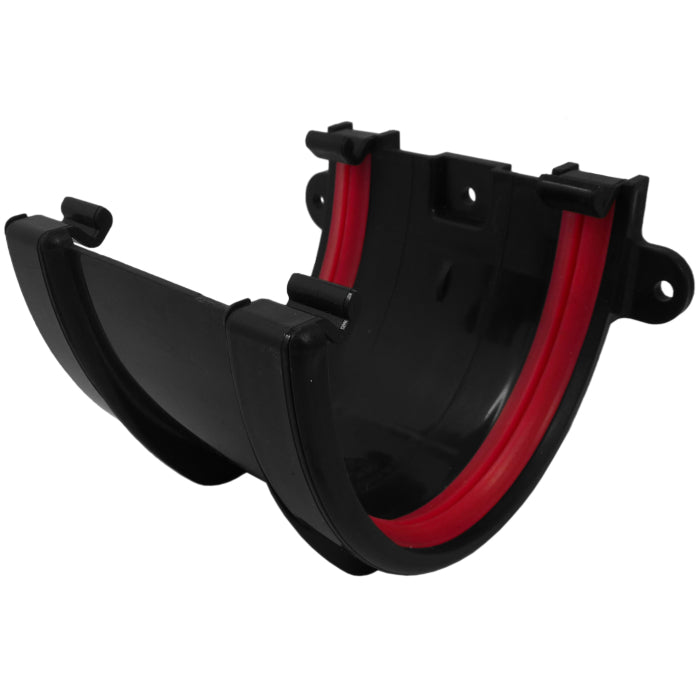
Black Deepflow Gutter Union Bracket uPVC – FDF602Black Deepflow Gutter Union Bracket uPVC – FDF602

What is deepflow guttering?

Deepflow guttering is a high-capacity rainwater system designed to handle larger volumes of water compared to standard half round gutters. Its deeper profile allows increased flow, making it suitable for roofs with larger surface areas or areas prone to heavy rainfall.

What is deepflow guttering used for?

Deepflow guttering is used to collect and channel rainwater from roofs into drainage systems. It is commonly used on properties where standard guttering may struggle to cope with water volume, helping reduce overflow and improve drainage performance.

Deepflow gutter fittings and components

A complete deepflow gutter system includes multiple fittings to ensure proper installation and performance. These typically include brackets, outlets, stop ends, unions, and angle pieces, all designed to work together as part of the system.

  • Fascia brackets for supporting the gutter
  • Running outlets for connecting downpipes
  • Internal and external stop ends
  • Angle pieces for corners and direction changes
  • Unions for connecting gutter lengths

Choosing the right deepflow gutter system

Choosing the correct deepflow guttering depends on the roof size, pitch, and expected water flow. Larger roof areas or steeper pitches will typically require higher capacity systems to manage rainfall effectively.

Ensuring all components are compatible within the same system is important for achieving a secure and watertight installation.

Deepflow guttering vs standard guttering

Standard guttering systems are suitable for smaller roofs and moderate rainfall, but they can overflow under heavier conditions. Deepflow guttering offers increased capacity, reducing the risk of overflow and improving overall drainage efficiency.

This makes it a preferred option for larger properties or areas where heavy rainfall is more common.

Common mistakes when installing deepflow guttering

  • Mixing incompatible fittings from different systems
  • Incorrect bracket spacing leading to sagging
  • Insufficient fall for water flow
  • Using standard guttering where higher capacity is needed

Proper installation and correct component selection are key to ensuring long-term performance and avoiding drainage issues.

FAQs

What is deepflow guttering?

Deepflow guttering is a high-capacity gutter system designed to carry larger volumes of rainwater than standard gutter profiles. Its deeper shape allows improved flow, making it suitable for larger roofs or areas with heavy rainfall.

Is deepflow guttering better than standard guttering?

Deepflow guttering is better suited to situations where higher water capacity is required. It reduces the risk of overflow compared to standard guttering, particularly on larger roof areas or in regions with frequent heavy rain.

What fittings are used with deepflow gutters?

Deepflow gutter systems use a range of fittings including brackets, outlets, stop ends, unions, and angles. These components work together to create a complete and secure guttering system.

Can you mix deepflow gutter fittings?

It is not recommended to mix fittings from different systems, as compatibility can vary between manufacturers. Using matching components ensures a proper fit and reduces the risk of leaks or failure.

Where is deepflow guttering used?

Deepflow guttering is commonly used on residential and commercial properties with larger roof areas or where higher rainfall needs to be managed effectively. It is particularly useful where standard gutter systems may not provide sufficient capacity.