
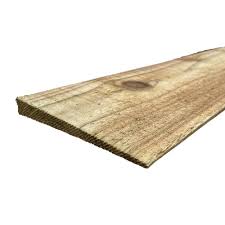
Description
Quick answer: Treated featheredge boards are pressure treated softwood boards used for closeboard fencing, garden fencing, cladding, screening and outdoor timber projects. They are fitted with an overlap to create a strong, private and weather-shedding surface, making them a practical choice for traditional featheredge fence builds.
What is this used for?
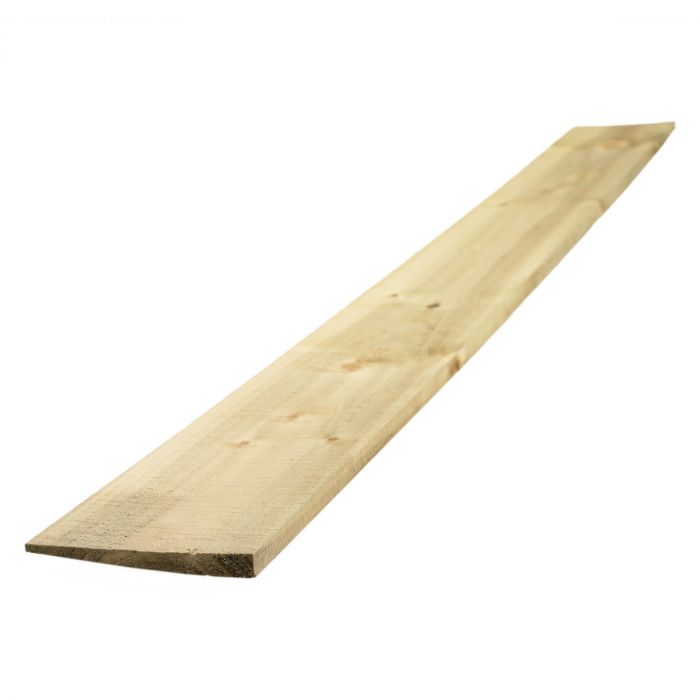
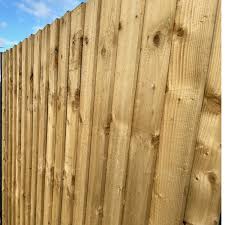
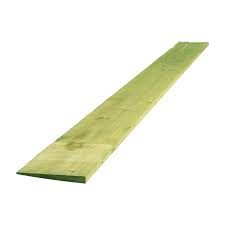
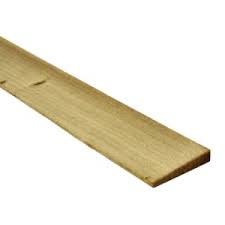
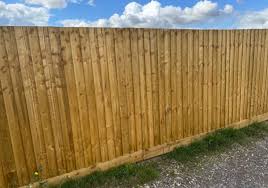
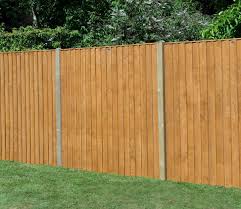
These treated featheredge boards are used to build overlapping timber fences, closeboard fencing, boundary fencing, garden screening and outdoor cladding. Each board has a tapered featheredge profile, allowing the boards to overlap neatly when fixed vertically.
Featheredge boards are commonly used with fence posts, rails and gravel boards to create a strong fence run. They can also be used for suitable garden structures, shed cladding, screening and landscaping projects where a traditional sawn timber finish is wanted.
Is this the right board for your project?
Choose treated featheredge boards if you want to build a traditional overlapping timber fence with good privacy and a strong continuous face. They are a popular choice for garden boundaries, repairs, replacement panels and full fence runs.
The board width, length and overlap affect how many boards you need and what finished fence height you achieve. If you are unsure how many boards, posts, rails and gravel boards to order, use the Featheredge Fencing Calculator before buying.
If you want a ready-made section rather than building the fence from individual boards, a featheredge fence panel may be the easier option. For a full fence run, you will usually need boards, fence posts, fence rails, gravel boards and suitable fixings and postmix.
Which size should you choose?
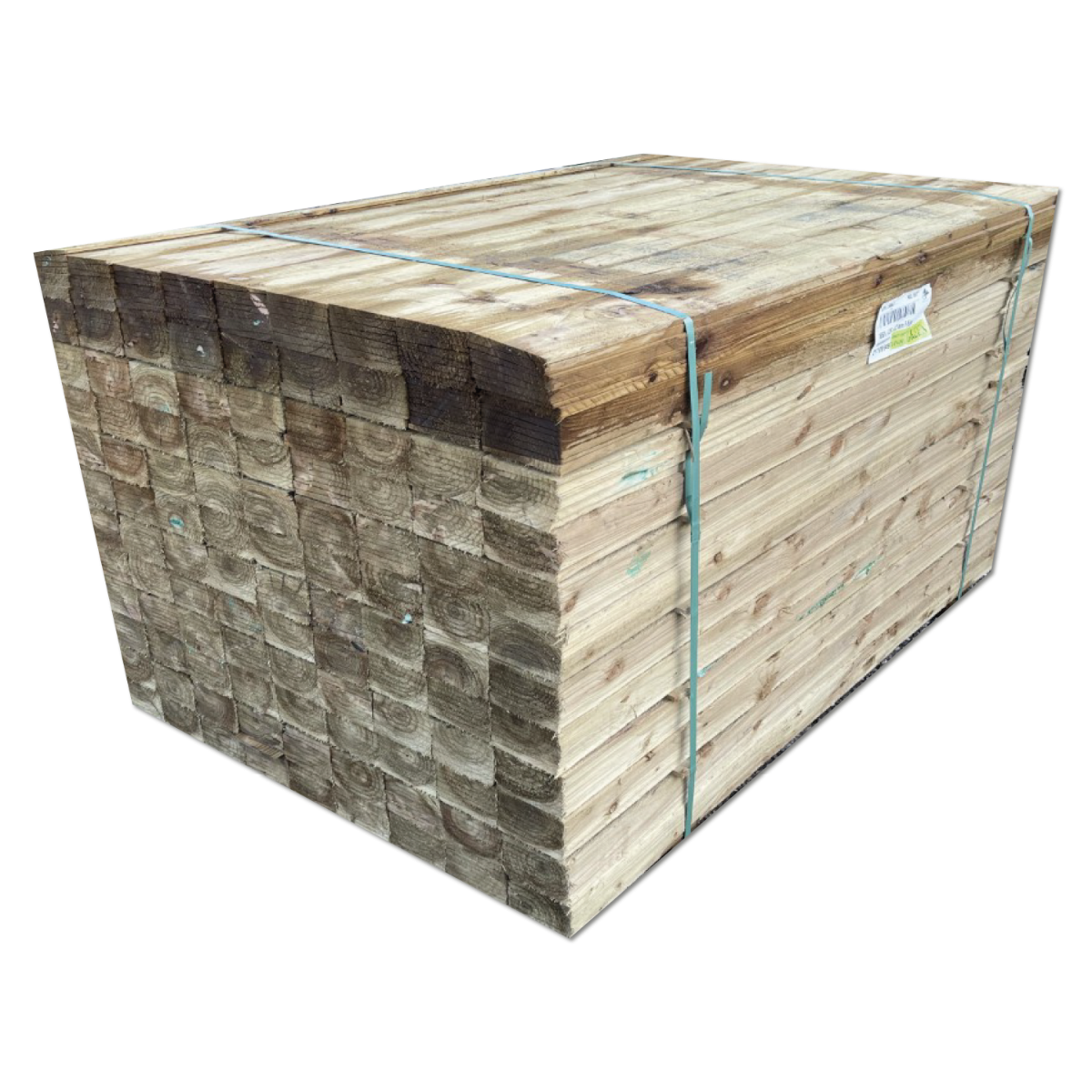
These featheredge boards are available in 125mm and 150mm widths, with several length options. The board length normally helps determine the fence height, while the board width and overlap affect how many boards are needed across the run.
| Board option | Best used for |
|---|---|
| 125mm featheredge boards | A common choice for traditional closeboard fencing where a standard overlap is being used. |
| 150mm featheredge boards | Useful where wider board coverage is preferred, helping reduce the number of boards needed across a run. |
| Shorter board lengths | Useful for lower fences, repairs, screens and smaller garden projects. |
| Longer board lengths | Useful for taller fencing, cladding, screening and projects where fewer horizontal joins are preferred. |
Size note: Imperial sizes are provided as a familiar reference only. All timber is sold in metric measurements, so please use the listed metric size when ordering or checking suitability for your project.
How should featheredge boards be fitted?
Featheredge boards are normally fixed vertically with each board overlapping the previous board. The overlap helps shed water, improves privacy and builds strength across the finished fence face.
Use suitable exterior-grade fixings and avoid fixing too close to the board edge. Allow for normal timber movement as the boards weather and season outdoors. Freshly cut ends should be re-treated where possible to help maintain protection after cutting.
Key features
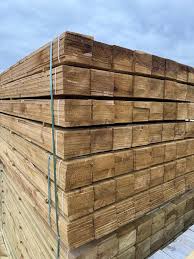
- Pressure treated softwood: Treated for external use in fencing, cladding, screening and general outdoor timber projects.
- Tapered featheredge profile: Designed to overlap neatly for traditional closeboard and featheredge fence construction.
- Good privacy: Overlapping boards create a continuous timber face for garden and boundary fencing.
- Multiple lengths available: Choose from stocked lengths to suit repairs, low fences, standard garden fencing or taller projects.
- 125mm and 150mm widths: Choose the board width that suits your preferred overlap, coverage and finished look.
- Suitable for trade and DIY: Practical for full fence runs, replacement boards, garden screening and outdoor timber work.
Things to check before ordering
- Fence height: Choose the board length based on the finished fence height you want to achieve.
- Board quantity: The number of boards depends on total fence length, board width and overlap. Use the Featheredge Fencing Calculator to estimate your materials.
- Supporting materials: A full featheredge fence will usually need fence posts, rails, gravel boards and fixings or postmix.
- Cut ends: Re-treat freshly cut ends where possible after cutting.
- Ground contact: Do not rely on featheredge boards as a substitute for a gravel board at ground level.
- Fixings: Use suitable exterior-grade nails or screws for treated timber and outdoor use.
- Natural movement: Allow for normal movement, shrinkage and weathering as the timber settles outdoors.
Complete the job
For a full featheredge fence, use these boards with suitable fence posts, fence rails, gravel boards and fixings and postmix. For fixing boards, you may also need suitable nails or exterior-grade screws.
To calculate your board quantity, post spacing, rails and gravel boards before ordering, use the Featheredge Fencing Calculator. To compare related fencing products, view the full Featheredge Boards collection.


