
Railway sleepers for garden and landscaping projects
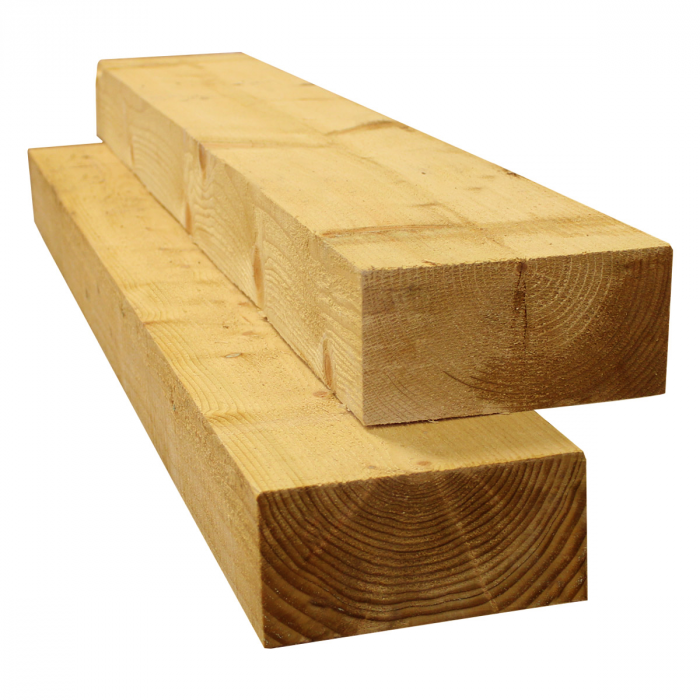
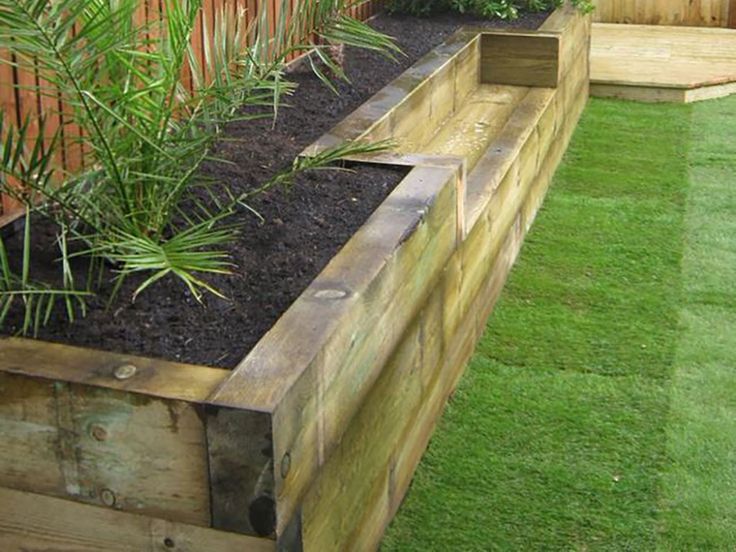
Our railway sleeper range is built around new pressure-treated 195 x 95mm softwood sleepers for raised beds, borders, edging, steps and general landscaping. Lengths run from 0.6m to 3.6m, giving you useful stock sizes for short returns, raised-bed ends, long borders and larger garden runs with fewer unnecessary cuts and joins.
Choose the sleeper length around the job
Start with the finished layout, then use the closest useful sleeper lengths rather than cutting every piece down.
| Length | Useful for |
|---|---|
| 0.6m | Short returns, small steps, ends and tight spaces. |
| 1.2m | Raised-bed ends, narrow planters and shorter borders. |
| 1.8m | Medium beds, borders and general landscaping. |
| 2.4m | Long raised-bed sides and landscaping runs with fewer joins. |
| 3.0m | Longer borders and straight runs. |
| 3.6m | Long runs where handling, support and access have been planned. |
Read Garden Sleeper Sizes and Lengths for help choosing between 0.6m, 1.2m, 1.8m, 2.4m, 3.0m and 3.6m sleepers, or shop the 195 x 95mm pressure-treated garden railway sleepers product page.
Choose the fixing by how the sleepers are installed
| Job | Fixing route |
|---|---|
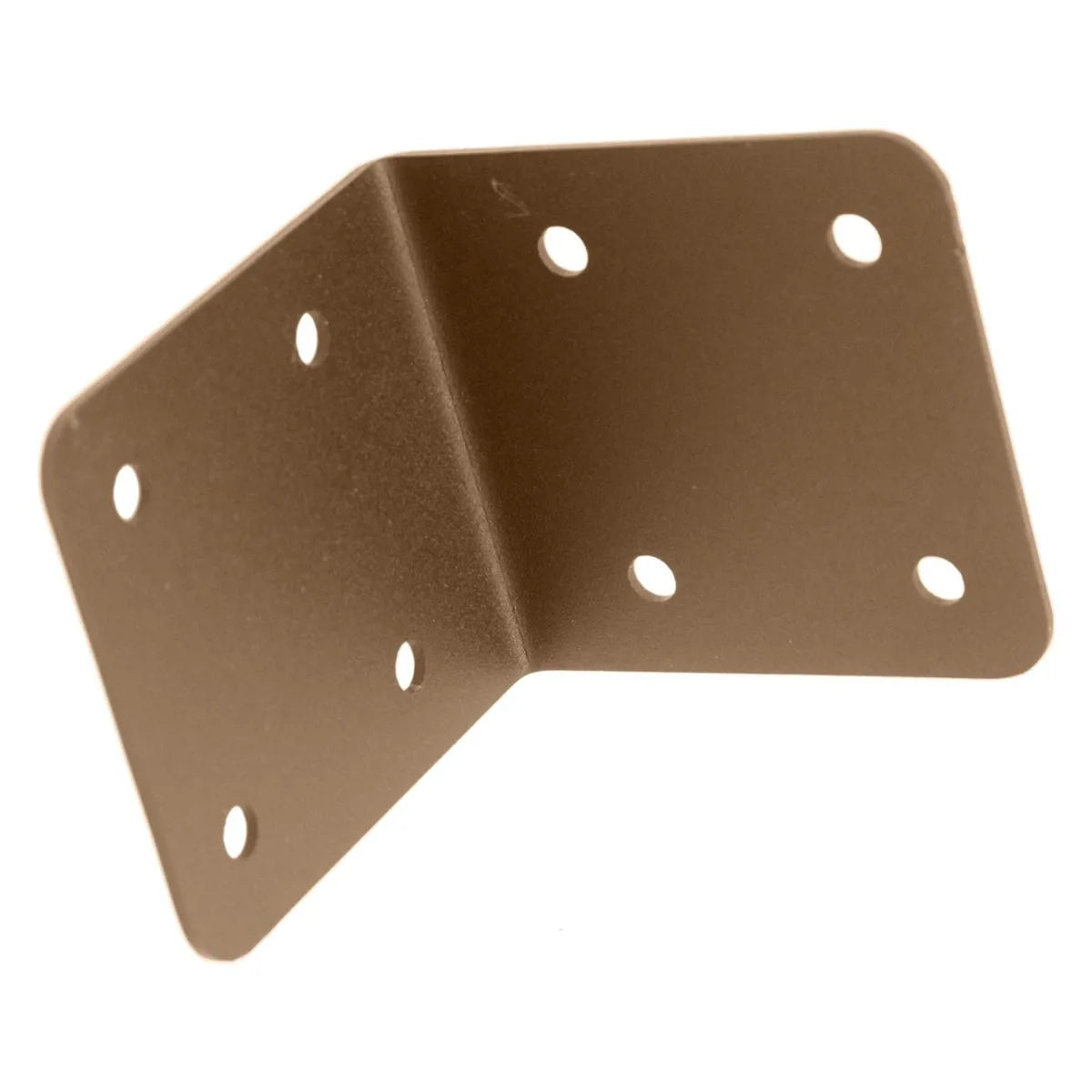
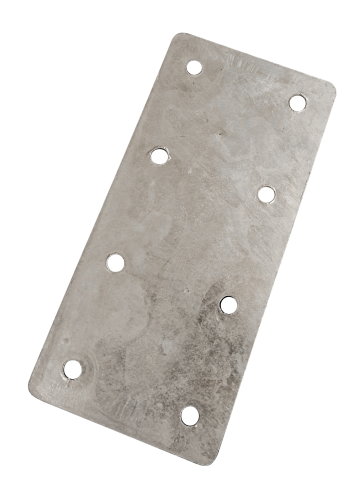
| Corners and internal joints | Sleeper corner brackets and flat support plates with suitable structural screws. |
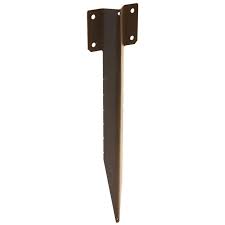
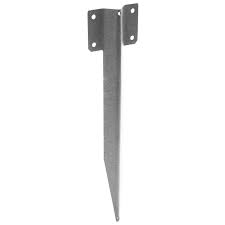
| Sleepers laid on edge in soil | Sleeper support spikes help restrain the timber and reduce tipping. |
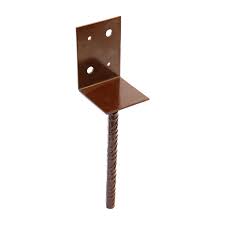
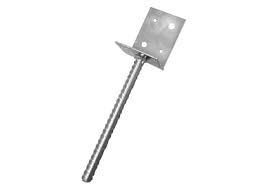
| Sleepers fixed to concrete | Sleeper base anchors to concrete with suitable masonry fixings. |
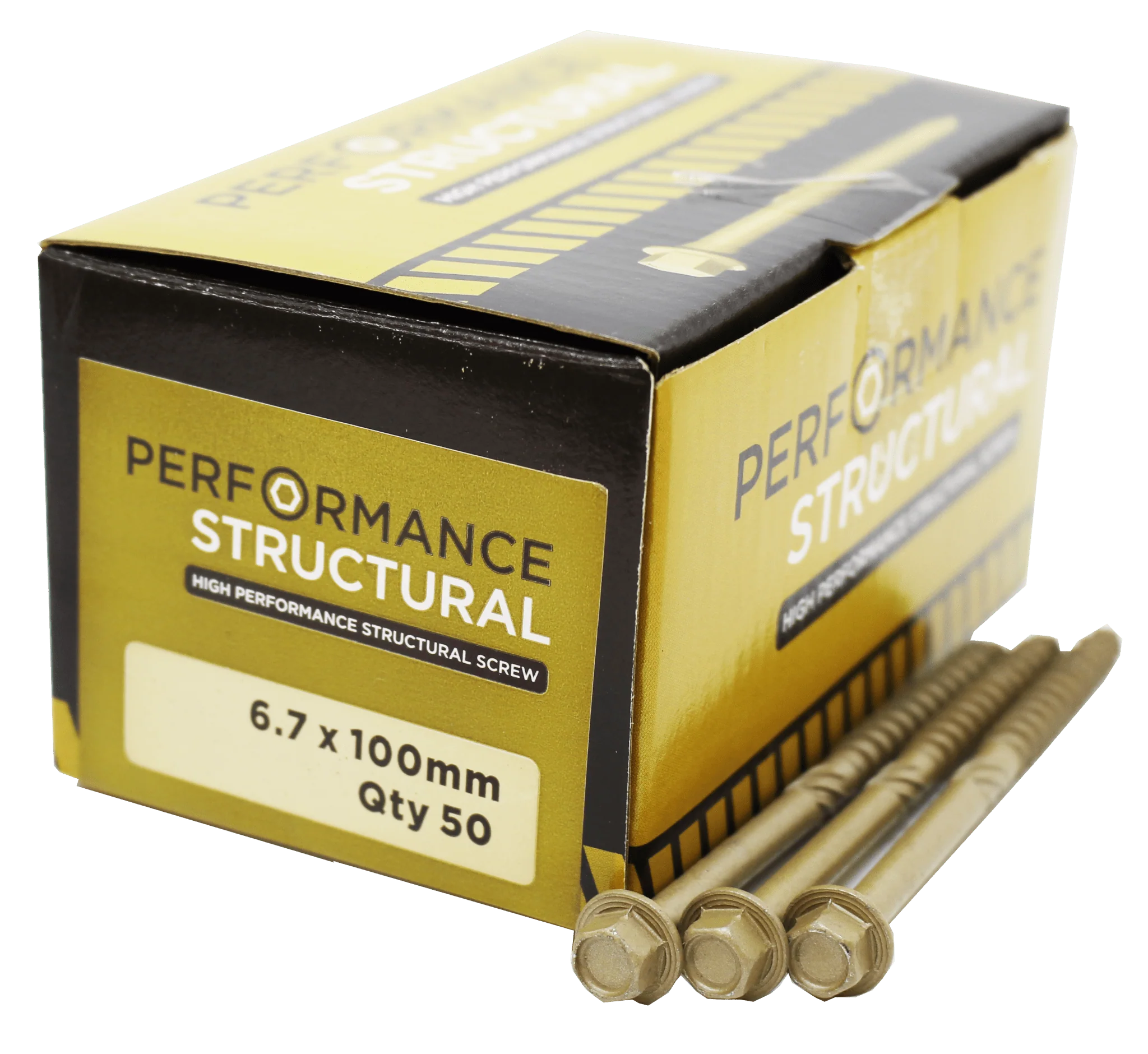
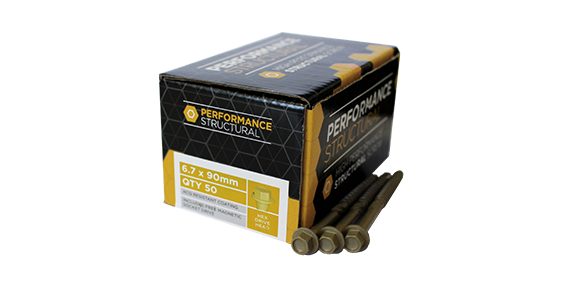
| Direct timber-to-timber fixing | Performance hex drive structural timber screws. |
If you are not sure which route suits the joint or base, start with How to Secure Garden Sleepers.
Planning a sleeper project?
- Garden Sleepers Questions Answered covers laying, fixing, raised beds, treatment, safety and buying questions.
- How to Lay Garden Sleepers for Edging and Borders covers base preparation, drainage and restraint.
- How to Build Garden Steps with Sleepers covers light garden steps, heavier-use bases and timber-frame options.
- Garden Sleeper Retaining Walls covers drainage, restraint and when the job becomes structural.
- How to Cut Garden Sleepers covers tool options, cut-end treatment and Wern-Wood cutting service.
- New vs Reclaimed Railway Sleepers for Gardens explains why new pressure-treated sleepers are the straightforward route for normal domestic landscaping.
These are new garden sleepers, not reclaimed railway timber
The sleepers sold here are new pressure-treated softwood sleepers made for garden and landscaping work. They give you the familiar railway-sleeper format with consistent dimensions and no old railway fixing holes or unknown service history. If you are comparing them with genuine reclaimed railway sleepers, read our new vs reclaimed sleeper guide before choosing.
For raised beds and ground preparation you may also need weed control membrane. Freshly cut sleeper ends should be treated with a suitable end-grain preservative or wood preserver before installation.