Creosote Fence Posts Are Still Legal — But Only for the Right Jobs
Creosote-treated timber is not banned completely in Great Britain, but it is heavily restricted. HSE renewed creosote approval in April 2026 for specific wood-preservative uses, with a new expiry date of 31 March 2033. The approved uses include railway sleepers, transmission poles, and fencing only where it is safety-critical and requires compliance with BS 8417 service factor D. That means creosote fence posts are not a normal DIY garden fencing product. They are a restricted agricultural, equestrian, highway or safety-critical fencing product for professional use.
Creosote fence posts have a reputation for lasting. Ask around farming, equestrian or rural fencing circles and you will quickly hear the same thing: people trust them because old creosote posts have stood in wet ground for decades.
That performance is exactly why the subject gets complicated. Creosote is effective because it is a powerful wood preservative. It is also restricted because it carries health and environmental risks that ordinary treated timber does not raise in the same way.
So the useful question is not “are creosote posts good?” They are. The useful question is: are they legal and appropriate for this specific fencing job?
Why are creosote posts restricted?
Creosote is a long-established wood preservative used for demanding outdoor applications such as poles, sleepers and fencing. It protects timber from decay organisms in conditions where ordinary untreated timber would fail quickly.
The problem is that creosote is not a casual domestic-use product. It is a hazardous preservative. The House of Commons Library describes creosote as an umbrella term for chemicals used as wood preservatives and notes that they are harmful to human health and the environment. There have also been reports of skin burns from creosote on utility poles.
That is why amateur and domestic use is restricted. Creosote-treated timber belongs in controlled professional and industrial uses, not in normal garden DIY, children’s play areas, vegetable beds, or anywhere people may handle it casually.
Creosote-treated posts should not be treated as ordinary garden timber. They are restricted-use products for specific safety-critical applications. If the job is domestic garden fencing, standard treated posts, concrete posts or other approved alternatives are usually the correct buying route.
What did HSE approve in 2026?
On 1 April 2026, HSE published a Great Britain active substance renewal decision for creosote under biocides legislation. The approval was renewed for wood treatment in specific uses only:
- Railway sleepers
- Transmission poles
- Fencing for safety-critical uses requiring compliance with BS 8417 service factor D
- Surface treatment of wood for the above uses when modified at the point of installation
The new approval expiry date is 31 March 2033. That is not the same as saying creosote is freely available for all fencing. It is a restricted renewal for defined uses.
Creosote posts remain available in Great Britain for tightly defined professional uses where long service life and safety-critical performance matter. They are not a general-purpose retail fencing product for ordinary domestic garden jobs.
What counts as the right kind of fencing use?
The key phrase is safety-critical fencing. In practical terms, that points towards fencing where failure could create a serious issue, such as livestock containment, equestrian fencing, highway-related fencing, access control or other rural applications where the fence is doing more than marking a garden boundary.
That is why creosote posts still matter to farming and equestrian customers. A failed stock fence or horse paddock fence can create animal welfare, road safety and liability problems. The post is not decorative. It is part of a working boundary.
For ordinary domestic garden fencing, creosote is the wrong conversation. Browse standard Fence Posts, Concrete Fencing, or the wider Fencing, Decking & Landscaping range instead.
Why do farmers still want creosote posts?
The short answer is service life. Agricultural fencing is hard on timber. Posts sit in wet ground, take wire tension, deal with livestock pressure, and are often installed in places where replacement is inconvenient.
When a rural fence post fails, it is not always a small job. You may have to re-tension wire, deal with livestock, access awkward ground, replace strainers, or repair a gateway that should have lasted much longer.
Creosote posts remain popular because they have a long track record in harsh ground-contact use. The Wood Protection Association continues to emphasise the need for proper Use Class 4 treatment where timber is in ground contact, very close to the ground, frequently wet or providing exterior structural support.
| Use case | Why post choice matters | Best buying route |
|---|---|---|
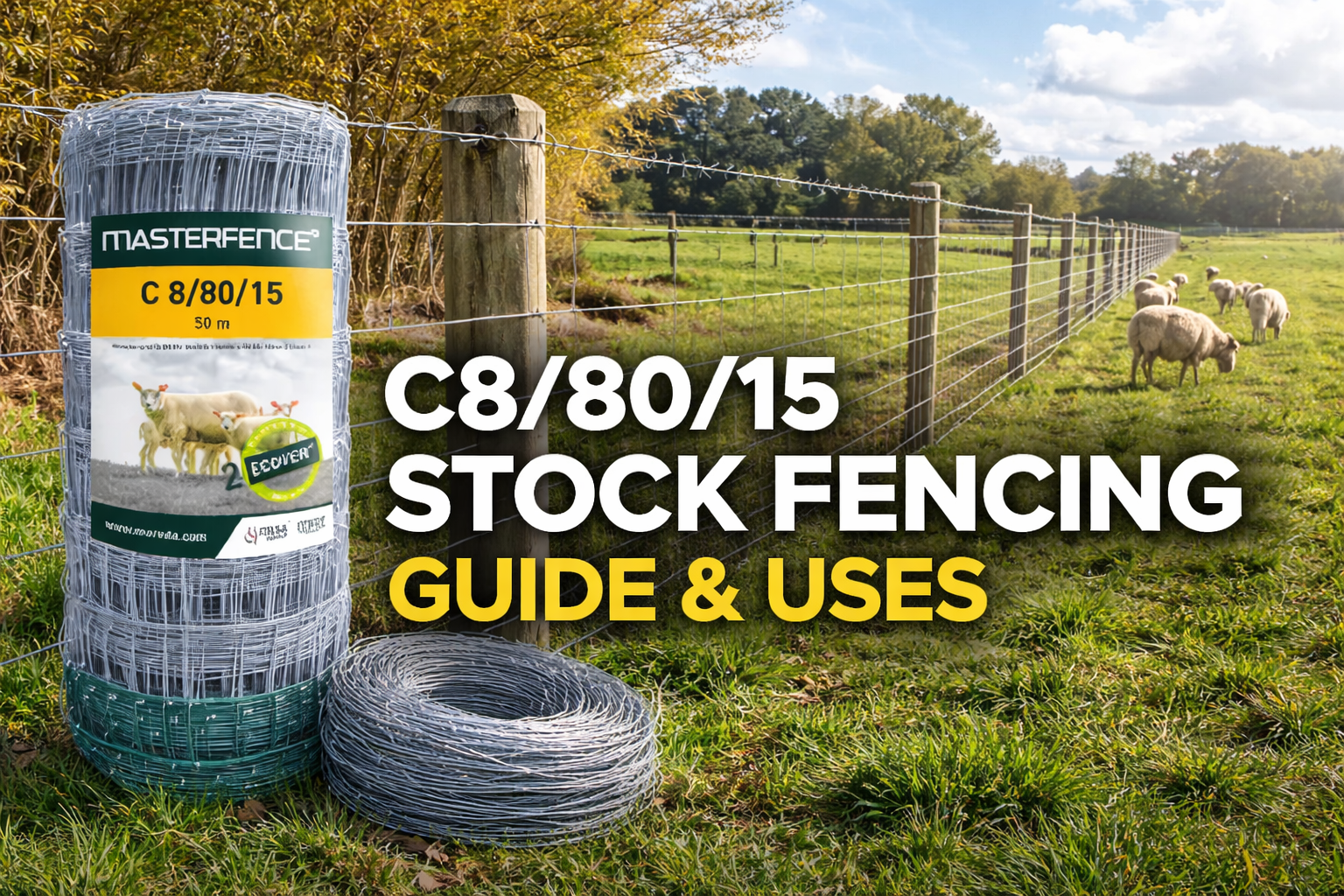
| Stock fencing | Posts take wire tension and livestock pressure. | Agricultural fencing posts, strainers, stock wire and fixings. |
| Horse paddocks | Fence failure can create animal and road-safety risks. | Equestrian-suitable posts, rails, gates and hardware. |
| Gateways | Gate posts take repeated movement, twisting and impact. | Correctly specified gate posts and agricultural ironmongery. |
| Ordinary garden fencing | Usually not a safety-critical agricultural use. | Standard treated timber posts or concrete posts. |
Can homeowners buy creosote posts?
For normal domestic garden fencing, no — customers should not treat creosote posts as a standard retail option.
The regulatory position is built around professional and industrial uses, not amateur DIY use. If you are replacing a garden fence between houses, installing panels in a domestic boundary, or building a landscaping feature, use standard fencing products instead.
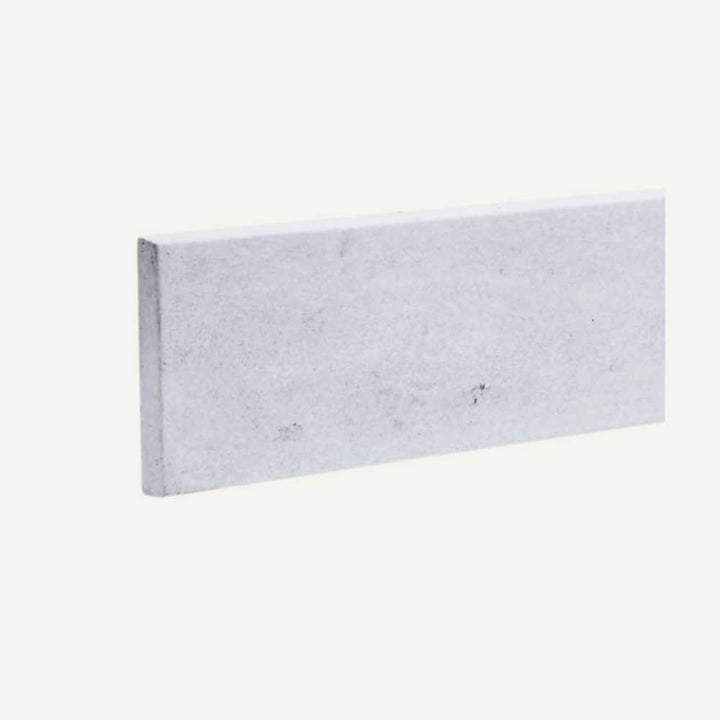
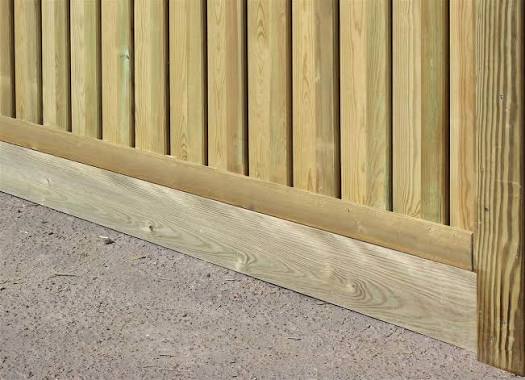
That may mean timber fence posts, concrete fence posts, UC4-treated posts where ground contact is involved, gravel boards, postmix and fixings. For most garden jobs, that is the cleaner and more appropriate route.
What about Wales?
Wales sits within the Great Britain regulatory framework administered by HSE, alongside England and Scotland. That means HSE’s April 2026 renewal decision applies in Wales.
For South Wales customers, the practical distinction is still the same: agricultural, equestrian and safety-critical professional use is different from domestic garden use. A farmer replacing stock fencing is not in the same buying position as a homeowner replacing a back-garden panel fence.
Creosote vs other post options
Creosote is not the only route. The right post depends on legality, exposure, performance need, handling, budget and whether the job qualifies for restricted use.
| Post option | Best suited to | Watch out for |
|---|---|---|
| Creosote-treated agricultural posts | Professional safety-critical agricultural, equestrian or similar fencing where permitted. | Restricted use, handling requirements, disposal and regulatory status. |
| UC4 treated timber posts | Ground-contact garden, fencing and general outdoor posts where creosote is not appropriate. | Check treatment class, post size, depth and installation quality. |
| Concrete fence posts | Domestic panel fencing and low-maintenance boundary fencing. | Weight, handling, accurate setting out and appearance. |
| Agricultural round posts and strainers | Stock fencing, paddocks, wire fencing and rural boundaries. | Specify posts, strainers, wire and gateways as a complete system. |
| Emerging alternatives | Customers looking for long-service alternatives to creosote where suitable. | Check independent evidence, availability and suitability for the specific job. |
Handling creosote-treated posts safely
Creosote-treated timber needs careful handling. Treat it as a restricted professional-use product, not ordinary timber.
- Wear suitable gloves when handling posts.
- Cover skin to reduce contact with treated surfaces.
- Use eye protection where cutting or drilling creates risk.
- Control sawdust and offcuts and keep them away from animals, children and domestic areas.
- Do not burn offcuts or dispose of them as ordinary clean wood.
- Follow product labelling and supplier guidance.
Do not use creosote-treated timber for children’s play equipment, domestic seating, food-growing beds, animal chewing/contact points, or general household garden projects. It is not a decorative garden timber.
Before you order creosote posts
Before trying to buy creosote-treated agricultural posts, check the job properly.
- Is the job agricultural, equestrian, highway-related or safety-critical?
- Does the fencing need BS 8417 service factor D performance?
- Are you a professional, trade or qualifying agricultural/equestrian customer?
- Are the posts being used in ground contact or high-risk exposure?
- Do you also need strainers, stock wire, rails, gates, staples or ironmongery?
- Have you planned handling, cutting and waste disposal?
- Would standard UC4 posts or concrete posts be more appropriate?
For rural fencing, start with Agricultural Fencing. For wire and staples, check Agricultural Wire & Barb. For gates and hardware, browse Agricultural Ironmongery.
Common mistakes with creosote fencing
- Assuming creosote is fully banned — it is not, but it is restricted.
- Assuming approval means general retail use — it does not.
- Using creosote posts for domestic garden fencing — standard treated or concrete posts are usually more appropriate.
- Ignoring safety-critical wording — the authorised fencing use is tightly defined.
- Handling posts casually — creosote-treated timber needs PPE and sensible site practice.
- Burning offcuts — treated timber waste should not be burned.
- Buying posts without wire and fixings — agricultural fencing is a system, not one product.
FAQs
Are creosote fence posts legal in the UK?
In Great Britain, creosote approval was renewed by HSE in April 2026 until 31 March 2033, but only for defined uses. For fencing, that means safety-critical uses requiring compliance with BS 8417 service factor D. It is not general DIY approval.
Can I use creosote posts for my garden fence?
For ordinary domestic garden fencing, creosote posts are not the right buying route. Use standard treated timber posts, concrete posts or other suitable fencing products instead.
Why are creosote posts restricted?
Creosote is a highly effective wood preservative, but it carries health and environmental risks. That is why its use is restricted to controlled professional and industrial applications.
How long do creosote posts last?
Creosote posts have a strong reputation for long service life in agricultural ground-contact use, but lifespan depends on timber quality, treatment, soil, exposure, installation and the specific post. Avoid relying on a single guaranteed number unless it comes from the product supplier or specification.
What can I use instead of creosote posts?
Depending on the job, alternatives may include UC4-treated timber posts, concrete fence posts, standard agricultural round posts, strainers, or emerging long-life preservative alternatives. The right choice depends on the application and whether the job is domestic, agricultural or safety-critical.
Can I cut creosote-treated posts?
Cutting should be minimised and handled carefully. Use suitable PPE, control dust, follow product labelling, and deal with offcuts responsibly. Surface treatment may be needed where permitted and specified.
Can I burn creosote-treated timber?
No. Do not burn creosote-treated timber or offcuts. Treat them as treated waste and dispose of them through the correct waste route.
Summary: brilliant posts, restricted use
Creosote posts have earned their reputation because they perform well in demanding agricultural ground-contact fencing. That is why farmers, equestrian users and rural contractors still care about them.
But they are not ordinary garden posts. The 2026 HSE renewal keeps creosote available in Great Britain for defined uses, including safety-critical fencing requiring BS 8417 service factor D, with approval currently running to 31 March 2033.
If the job qualifies, plan the full agricultural fencing system: posts, strainers, wire, gates, staples and ironmongery. If the job does not qualify, choose standard treated timber posts, concrete posts or another suitable alternative.
Planning agricultural fencing?
Start with the full system: agricultural posts, strainers, stock wire, barbed wire where suitable, gates, staples and ironmongery. For restricted products such as creosote-treated posts, check suitability before ordering.
Shop Agricultural Fencing → Order online or collect from our Briton Ferry yard. Yes, we deliver.Sources checked: HSE GB BPR ministerial decision list for creosote PT8 renewal; House of Commons Library guidance on creosote and telegraph poles; Wood Protection Association guidance on Use Class 4 preservative treatment; Wern-Wood live agricultural fencing, fence post, agricultural wire and agricultural ironmongery pages. This article is general information only and is not legal, regulatory, safety or product-authorisation advice. Regulations and permitted uses can change. Always check current product labelling, HSE guidance, supplier terms and suitability before purchasing or using creosote-treated timber.