Plan your fence properly — posts, rails, boards, gravel boards and postmix — calculated using real-world build logic, not guesswork.

Straight runs. Sensible spacing. Joinable rail lengths. No awkward end cuts.

Built around standard UK garden fencing practice and stocked timber sizes.

Use the calculator to estimate posts, rails, featheredge boards, gravel boards and postmix using trade-standard assumptions and stocked sizes. Rails and gravel boards are calculated so ends and joints can be fixed to posts.

Calculator

1) Fence run & layout

1.8m is the most common spacing for garden featheredge fencing. We aim for your target, then space evenly across the run.

2) Boards & gravel board

Auto overlap adjusts to reduce awkward end cuts (shown in results).

Results

Item Recommendation

UK fence height guidance (planning)

In the UK, permitted development rules often allow a fence to be up to 2 metres (≈ 6ft 6in) high without planning permission in rear and side gardens. If the fence fronts onto (or is adjacent to) a public road, footpath or highway, the limit without planning permission is commonly 1 metre (≈ 3ft 3in).

These limits are typically measured from ground level to the highest fixed point and can include gravel boards, trellis or toppers. Rules can vary depending on your council, property status (listed / conservation area) and local constraints, so it’s sensible to check with your local planning authority before building near the limit.

General guidance only and not a substitute for local planning advice.

Essential build method (best practice)

Set out evenly: mark post centres using the spacing shown. Keep the line straight with a string line.

Plumb & level: keep posts plumb, rails level, and check regularly along the run.

Rails: fix rails securely to posts. Where joints are needed, land them on posts, stagger them, and avoid lining joints up on the same post where possible.

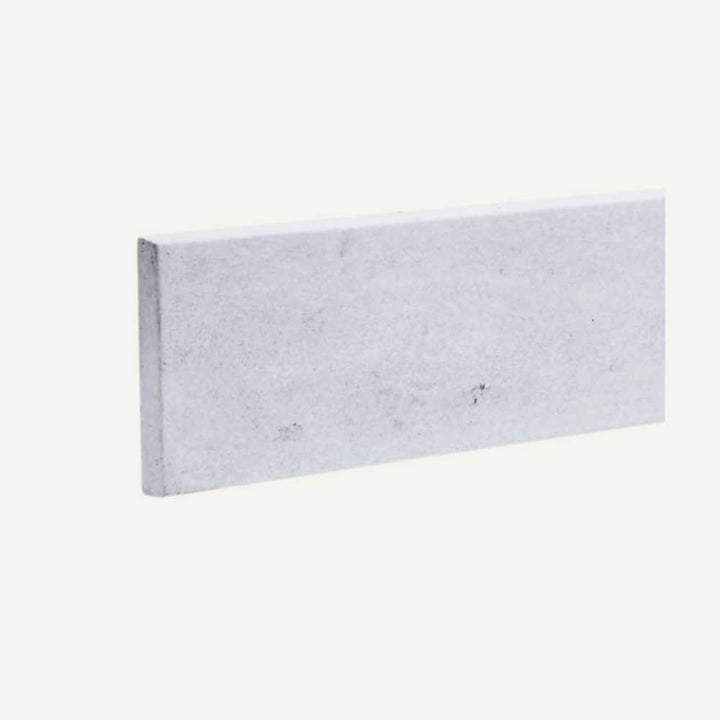
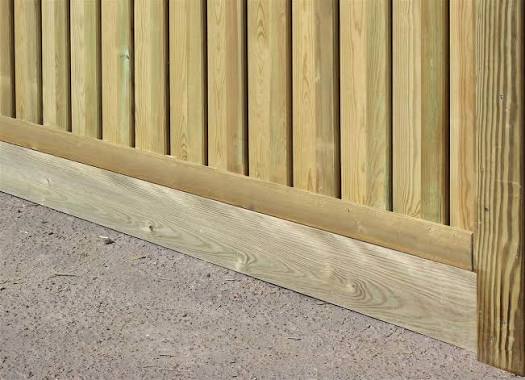
Gravel board: keeps featheredge out of the splash zone and reduces low-level damage.

Exposure: in windy sites, consider tighter post centres and/or an extra rail, and use more postmix per post.

Featheredge fencing (closeboard) — the quick guide

Featheredge fencing is one of the strongest and most popular garden fence styles in the UK. It’s built with overlapped vertical boards fixed to horizontal rails between posts, creating a solid privacy fence that still copes well with normal wind and weather.

If you’re aiming for a typical garden fence, 1.8m height and around 1.65–1.8m post centres are the most common starting point. Add a gravel board (kick board) to keep the timber out of the splash zone and protect the bottom edge from dirt, stones, strimmers, pets and day-to-day knocks.

Use the calculator above for an instant materials estimate. If your run includes corners, slopes, gates or very exposed conditions, the build can change — contact us if you’d like a quick sanity-check.

Featheredge fence materials, spacing, and best practice

What is a featheredge fence?

Featheredge fencing (often called closeboard fencing) uses tapered boards that overlap each other to form a strong, private boundary. The overlap means there are no see-through gaps, and you don’t typically “tune” overlap for privacy — overlap is mainly adjusted so you can use full boards across the run and avoid awkward slivers at the end.

Typical heights for UK gardens

The most common featheredge garden fence height is around 1.8m (6ft). Taller fences can be done, but they catch more wind and usually benefit from tighter post centres, an extra rail, and a stronger installation. If you’re close to planning limits, check the UK fence height guidance section on this page and confirm with your local authority before building.

Posts and spacing (what “centres” really means)

Post centres are the distance from the centre of one post to the centre of the next. For featheredge fencing, a sensible target is usually 1.65–1.8m centres, with 2.4m as a maximum for lighter-duty runs in sheltered areas.

On real installs, post centres often flex slightly so the fence run finishes neatly without tiny bays at the end. That’s why the calculator spaces posts evenly across your total run instead of forcing an exact spacing that doesn’t fit.

Rails: 2, 3, or 4?

Rails are the horizontal timbers the boards are fixed to. Most garden featheredge fences use 3 rails (top, middle, bottom). Two rails can work on lower fences in sheltered spots, while 4 rails is a great upgrade for taller fences, exposed gardens, or where you want a stiffer, more “premium” feel.

Good practice: land rail ends and joints on posts, and stagger joints so they’re not all on the same post where possible.

Gravel boards (kick boards): why we recommend them

A gravel board sits at the bottom of the fence. It keeps featheredge boards out of standing water and reduces splashback from rain, which helps the fence last longer. It also takes the impact from low-level knocks — kids’ toys, garden tools, dogs, strimmers, and accidental kicks.

100mm is common on tidy, level gardens. 150mm is a great all-round choice. 200mm suits uneven ground, heavy splash zones, or where you want extra protection at the base.

Setting posts: postmix, depth, and exposure

For most featheredge fences, 4×4 posts are the go-to choice. As a general rule, we recommend setting posts at around 600mm below ground as a standard, using postmix/postcrete for a solid finish. 450mm is best treated as an absolute minimum in ideal conditions.

Wind exposure matters. If the garden is open, elevated, or takes prevailing wind, consider tighter post centres, an extra rail, and using more postmix per post. Soft ground can also need more support.

Fixings and build quality

Featheredge fences last longest when everything is straight, tight, and consistent:

  • Set out carefully using a string line.
  • Keep posts plumb and rails level.
  • Stagger joints in rails and (where used) gravel boards.
  • Keep boards off the ground using a gravel board, and maintain airflow around the base.

Limitations of an online calculator

Calculators are brilliant for straight runs, but corners, returns, gates, and sloping ground can change what you need — especially post choice, bracing, and how rails and gravel boards are joined. If you’re unsure, send us your rough sketch and measurements and we’ll help sense-check the build.