
Timber cladding for sheds, summerhouses and exterior projects
Timber cladding is used to finish sheds, summerhouses, garden buildings, outbuildings and other timber structures. You may also see the same type of products described as wood cladding, wooden cladding or cladding boards. The important choice is the profile, finish and whether the timber is suitable for the exposure of your project.
Our range includes treated softwood cladding for exterior work as well as untreated shiplap for internal and sheltered applications.
Choosing the right timber cladding profile
Different cladding profiles create different joints and finished appearances. The right choice depends on the look you want and where the boards will be used.
Shiplap cladding
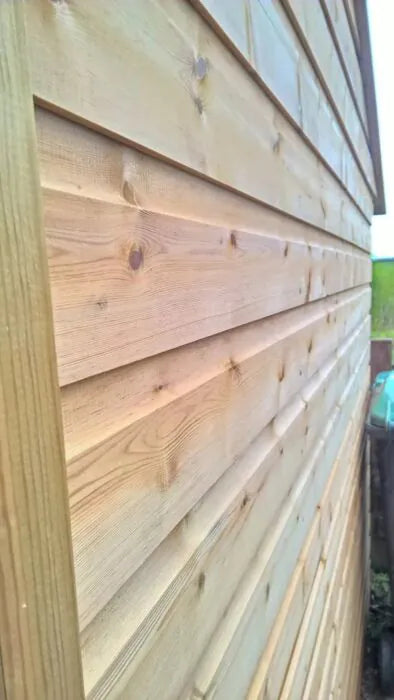
Shiplap uses a rebated edge so each board overlaps the next, creating a neat boarded finish that is widely used on sheds and garden buildings. Browse our Shiplap Cladding range for treated exterior boards and untreated boards for internal or sheltered projects.
Tongue & groove cladding
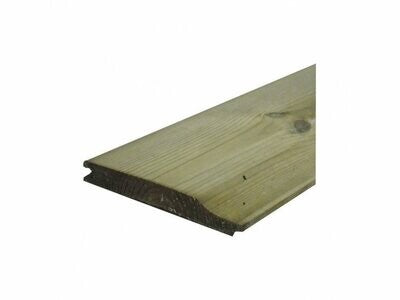
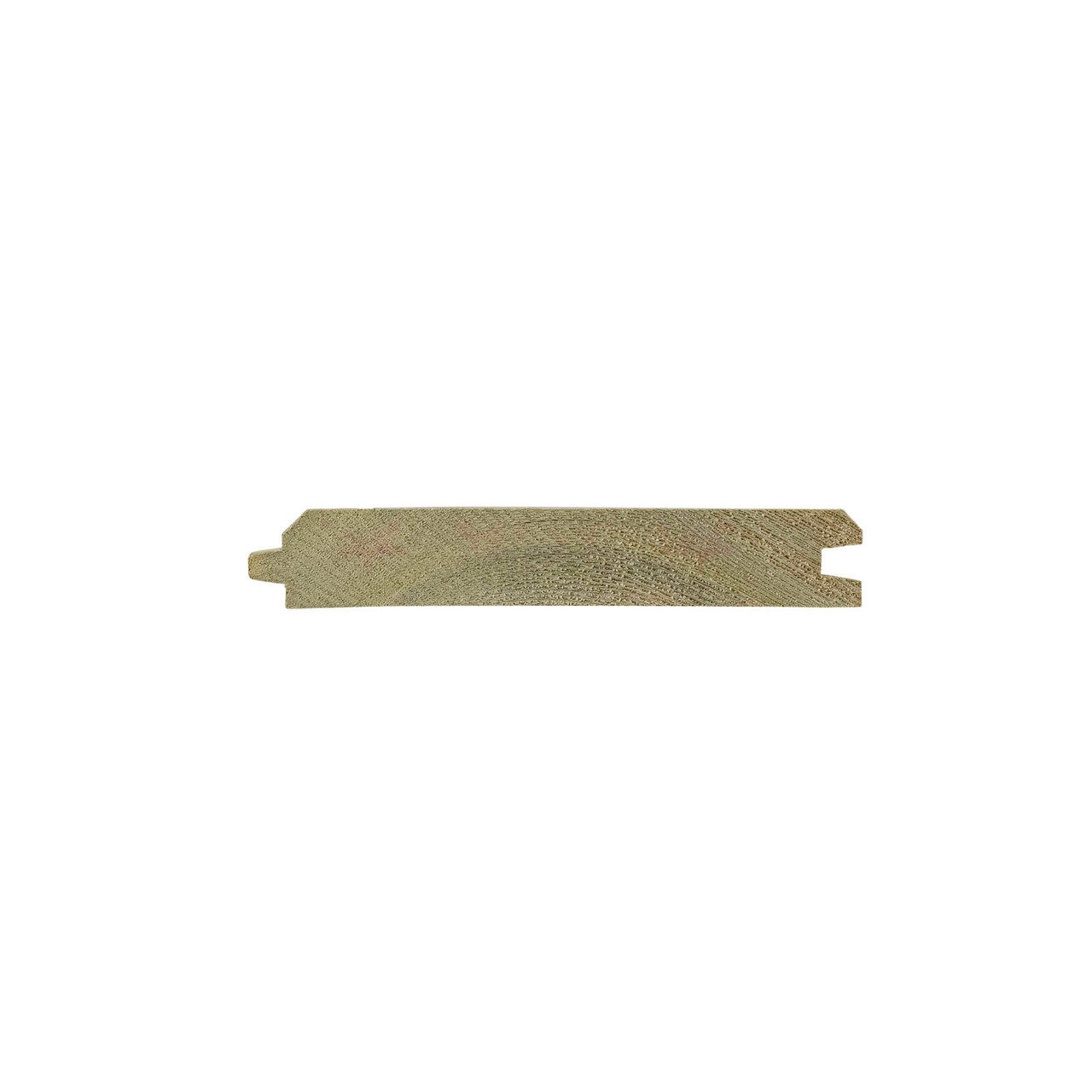
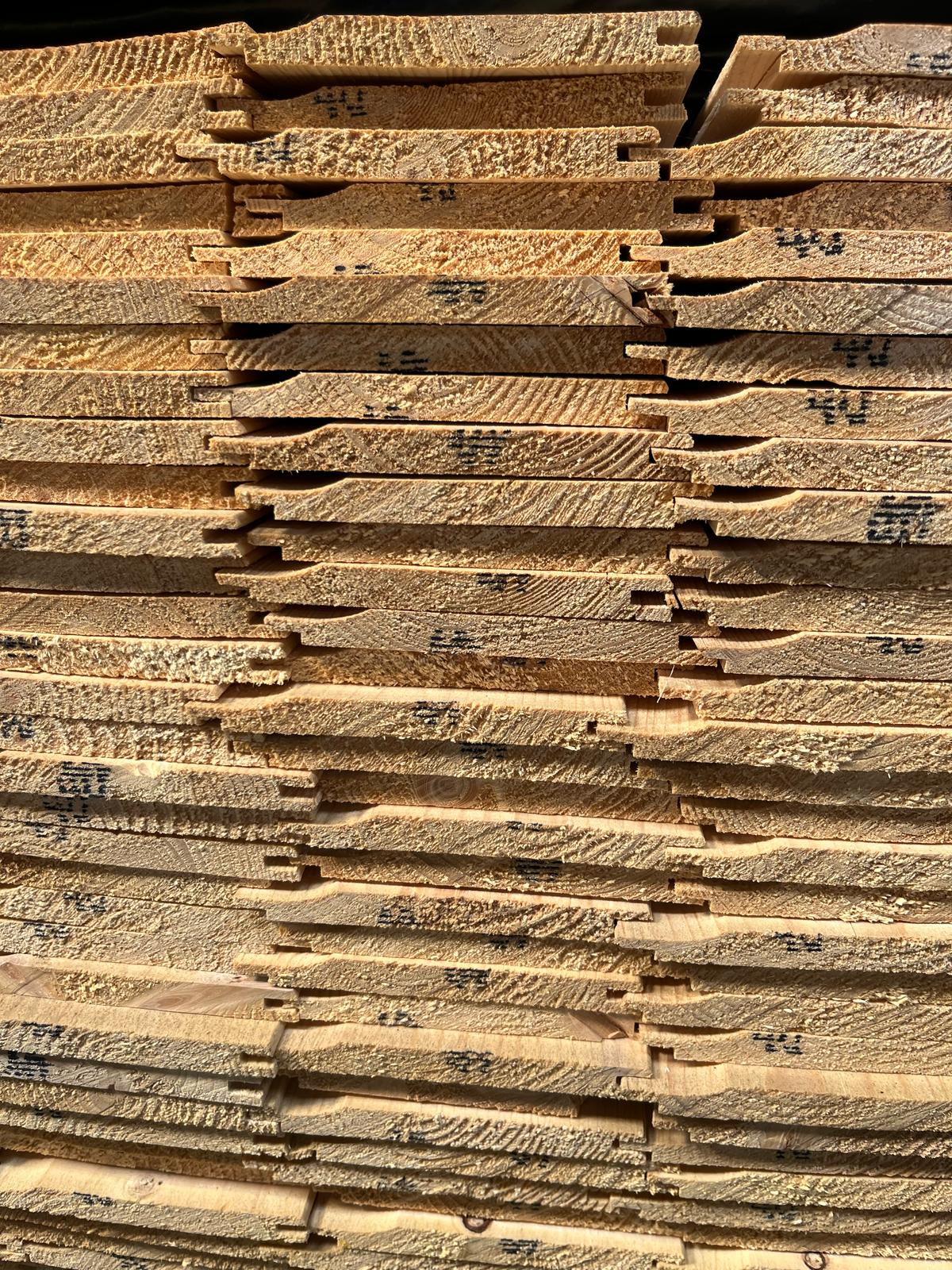
Tongue & groove, often shortened to T&G or TGV, uses an interlocking tongue and groove joint to create a close-fitting timber surface. Our treated exterior tongue & groove cladding boards are an option for garden buildings and other outdoor timber projects where that profile suits the design.
Loglap cladding
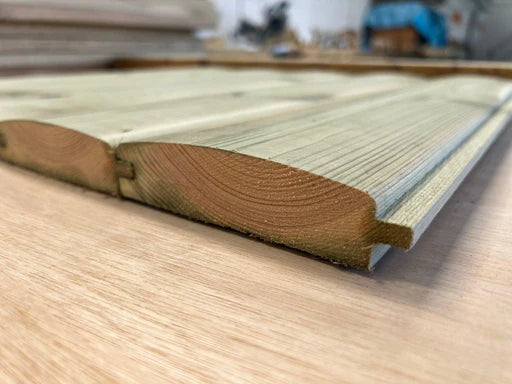
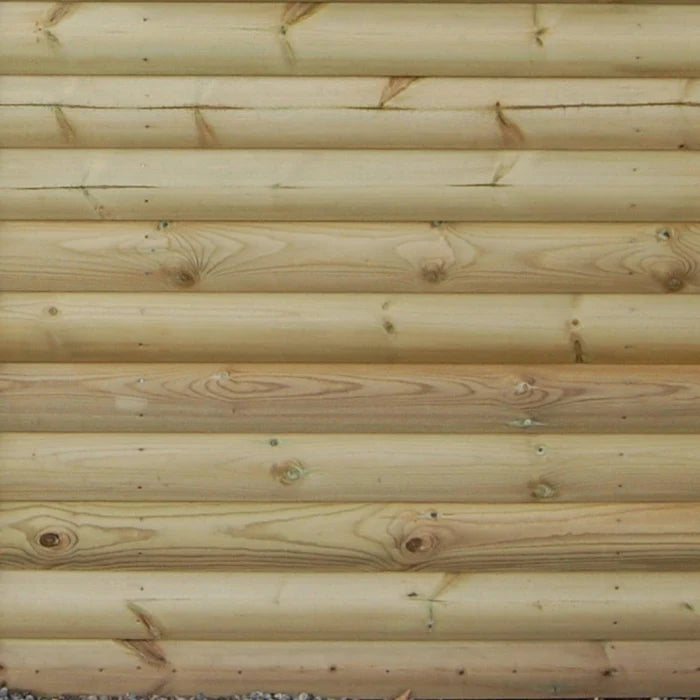
Loglap has a rounded face that gives the finished wall a heavier, log-style appearance. Browse our treated softwood loglap cladding for sheds, cabins, summerhouses and garden buildings where the rounded profile is part of the look.
Featheredge cladding and weatherboarding
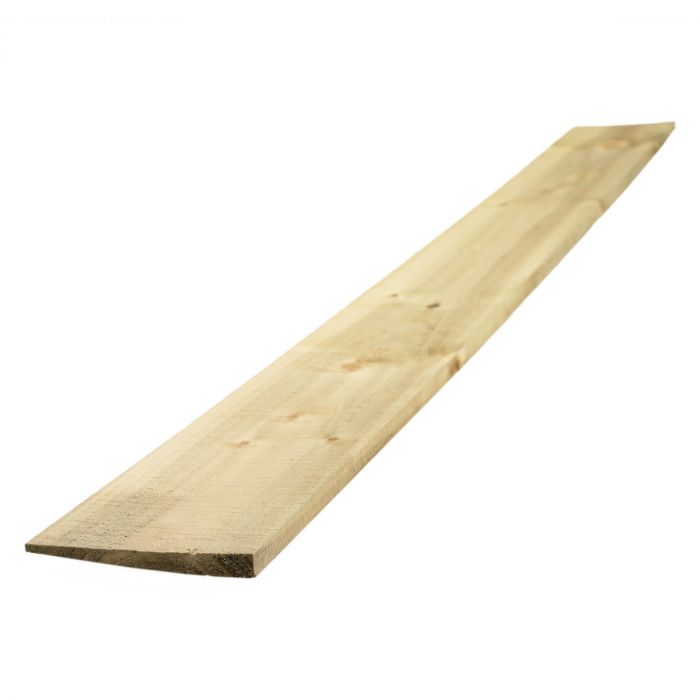
Featheredge is not only used for fencing. The tapered boards can also be overlapped as traditional timber weatherboarding on sheds, summerhouses, outbuildings and agricultural buildings. It creates a different appearance from machined shiplap, loglap or tongue & groove while still providing a practical overlapping timber-clad finish.
Treated and untreated timber cladding
For exposed exterior projects, choose timber cladding intended for outdoor use. Our treated softwood cladding options are the starting point for sheds, summerhouses and outbuildings where the boards will face the weather.
Untreated shiplap is better suited to internal and sheltered applications where you want control over the final finish. Check the individual product page for the intended use, dimensions and available lengths before ordering.
Timber cladding for sheds and summerhouses
There is no single cladding profile that suits every shed or summerhouse. Shiplap gives a neat overlapping profile, tongue & groove creates an interlocking boarded finish, loglap gives a rounded log-style appearance, and featheredge provides traditional overlapping weatherboarding.
Choosing between them is mainly a question of the finished look, the construction of the building and whether the board is suitable for the level of weather exposure.
Horizontal and vertical timber cladding
Shiplap, loglap and featheredge are familiar choices for horizontal timber cladding. If you are planning a vertical timber cladding design, choose a profile and detailing intended for that orientation rather than simply rotating a board designed around a horizontal overlap.
How much timber cladding do I need?
Start with the area you need to cover, then calculate from the effective cover of the installed cladding board rather than its full nominal width. Overlapping and interlocking profiles do not always cover their full board width once fitted.
Allow extra material for cuts, corners, openings and waste. Product dimensions and available lengths are shown on each product page so you can plan the quantity around the profile you choose.
Timber cladding FAQs
Is timber cladding the same as wood cladding?
In most shopping searches, timber cladding, wood cladding and wooden cladding describe the same broad type of product: timber boards used to finish a wall or structure. The profile and treatment are more important than the wording used to describe the category.
What is the best timber cladding for a shed?
It depends on the finish and construction you want. Shiplap is a familiar overlapping shed profile, tongue & groove gives a close interlocking finish, loglap creates a rounded appearance, and featheredge can be used as traditional overlapping weatherboarding. For exposed work, choose a board intended for exterior use.
Can featheredge boards be used as timber cladding?
Yes. Featheredge boards can be overlapped to form traditional timber weatherboarding and are used on sheds, outbuildings, summerhouses and agricultural buildings as well as fencing.
Can timber cladding be used outside?
Yes. Choose treated or otherwise exterior-suitable timber cladding for exposed outdoor projects. Untreated boards in this range are intended for internal or sheltered applications unless the individual product states otherwise.
What is the difference between shiplap and tongue & groove cladding?
Shiplap uses rebated edges that overlap, while tongue & groove boards interlock using a projecting tongue and matching groove. Both profiles can be used for suitable exterior projects when the specific board is intended for that application.