


Description
Quick answer: Standard tapered edge plasterboard is used for dry internal walls, ceilings, partitions and general drylining where a tape-and-joint finish is planned. It is best suited to standard internal areas and is usually the better choice where the joints will be taped and filled rather than the whole board being fully skim plastered.
What is this used for?
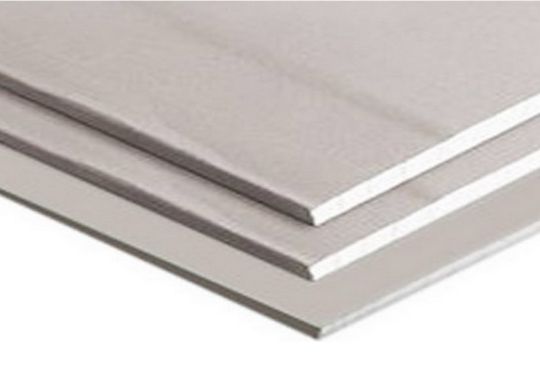
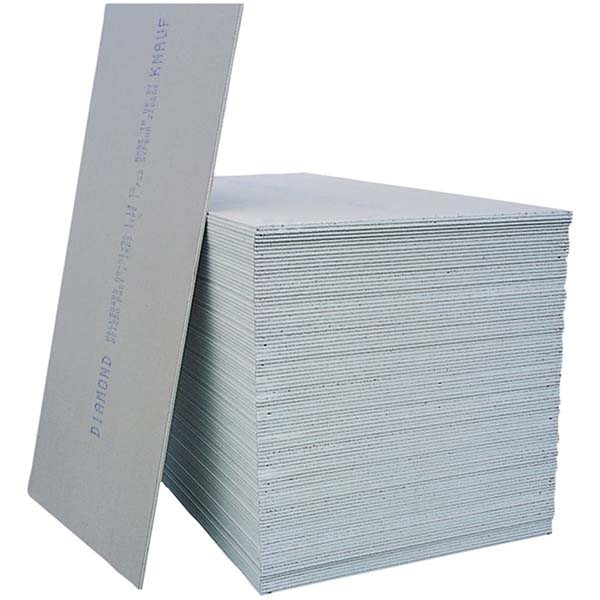
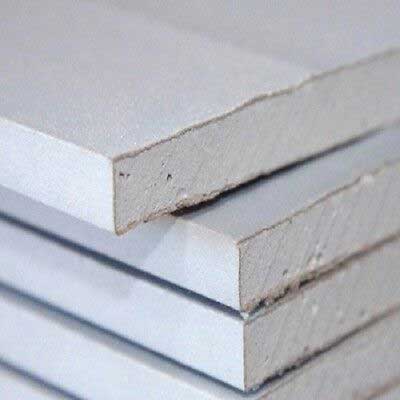
This standard tapered edge wallboard is a general-purpose plasterboard for internal building work. It can be used for stud partitions, wall linings, ceilings and other dry internal areas where standard plasterboard performance is suitable.
Available options include 1800mm x 900mm and 2400mm x 1200mm sheets, with 9mm and 12.5mm thicknesses depending on the job.
Is this the right plasterboard for your project?
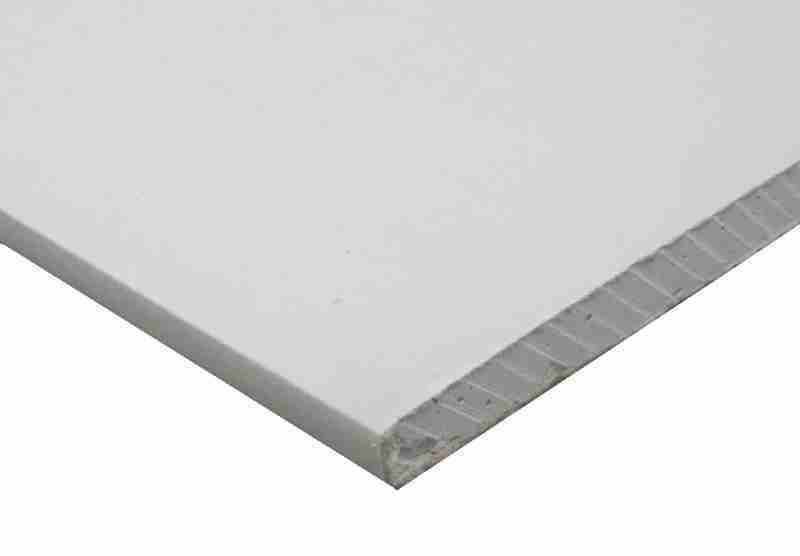
Choose this standard tapered edge plasterboard if you are planning to tape and joint the boards before decoration. The tapered edges create a shallow recess along the board edges, giving space for jointing tape and compound so the joints can be finished flush.
It is a practical choice for dry internal partitions, wall linings and ceilings where standard plasterboard is suitable. If the board is being fitted in a bathroom, utility room, garage, fire-rated partition, acoustic wall or insulated lining, check whether a specialist board is required before ordering.
What does tapered edge mean?
Tapered edge plasterboard has slightly recessed long edges. This makes it easier to tape and fill the joints without creating a raised line where the boards meet.
If you are planning a full skim coat of plaster across the whole surface, square edge plasterboard may be the more natural choice. Tapered edge board can still be skimmed, but its main advantage is for tape-and-joint finishing.
Which thickness should you choose?
For most standard plasterboard wall and ceiling work, 12.5mm is the normal default unless your project specification says otherwise.
9mm plasterboard is the thinner, lighter option and should only be chosen where you are confident it suits the support spacing, fixing method and finish required for the job.
Key features
- Standard internal wallboard: Suitable for general dry internal walls, ceilings, partitions and linings.
- Tapered edge profile: Designed to make tape-and-joint finishing easier.
- Multiple sheet sizes: Smaller boards can be easier to handle in tight spaces, while larger sheets cover more area faster.
- 9mm and 12.5mm options: Choose the thickness that suits the project specification and installation method.
- EN 520 Type A: Standard plasterboard classification for general internal applications.
Things to check before ordering
- Finish method: Tapered edge is usually chosen for tape-and-joint work. For full skim plastering, check whether square edge plasterboard is the better option.
- Room type: This is standard plasterboard for dry internal areas. For damp or humid areas, consider moisture resistant plasterboard.
- Fire performance: If the wall or ceiling needs a fire-rated system, use fire rated plasterboard as specified.
- Board size: Smaller sheets are easier to move and handle, while 2400mm x 1200mm boards cover larger areas more quickly.
- Fixings: Make sure you have the correct drywall screws for the frame or background you are fixing into.
- Storage: Keep plasterboard flat, dry and protected before installation.
Complete the job
For fitting plasterboard to timber studwork or battens, start with suitable drywall screws. You may also need scrim tape, jointing compound, plasterboard adhesive, angle beads and finishing plaster depending on how the boards are being fitted and finished.
If this is not the right board for the job, view the full plasterboards and dry lining range, or consider moisture resistant plasterboard, fire rated plasterboard or insulated plasterboard.