Quick answer: in a warm flat roof, the insulation sits above the structural deck and below the waterproofing. In a cold flat roof, the insulation sits between the joists below the deck, with a ventilated void above it.
The practical difference is ventilation: a warm roof does not need a ventilated roof void; a cold roof does.
| Warm roof | Cold roof | |
|---|---|---|
| Insulation | Above the roof deck | Between the joists |
| Ventilated void | No | Yes |
| Roof deck | Kept on the warm side | Closer to outside temperature |
Warm flat roof build-up
A typical timber warm roof is: joists → firrings → roof deck → air and vapour control layer → rigid insulation → waterproofing.
Putting the insulation above the deck keeps the deck warm and removes the need for a cross-ventilated roof void. Welsh Government guidance confirms that ventilation is not required for a warm roof where the insulation is above the joists or rafters.
Cold flat roof build-up
In a cold roof, the insulation sits between the joists, with a clear ventilated space above it. Air needs to enter at one side of the roof, pass through the void and leave at the other side.
Welsh Government guidance says a flat cold deck will usually need about a 50mm ventilation gap between the insulation and the underside of the roof covering.
Can PIR insulation be used in flat roofs?
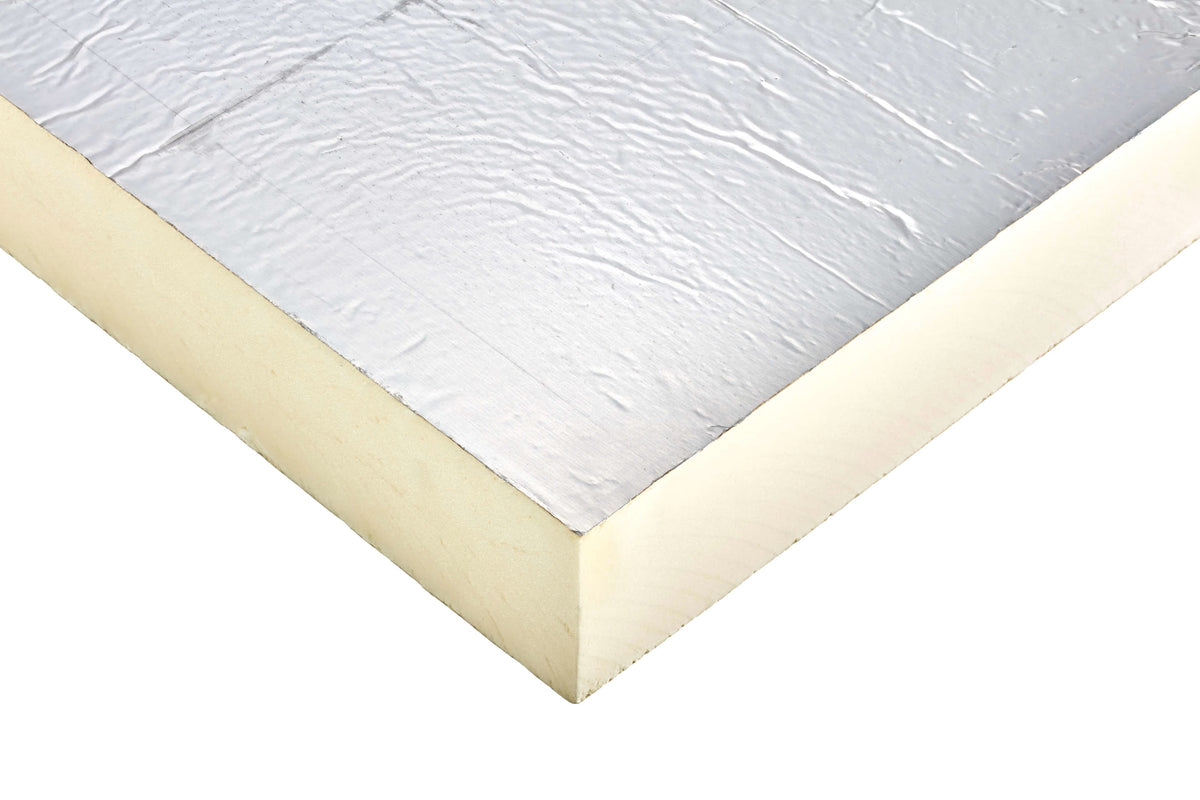
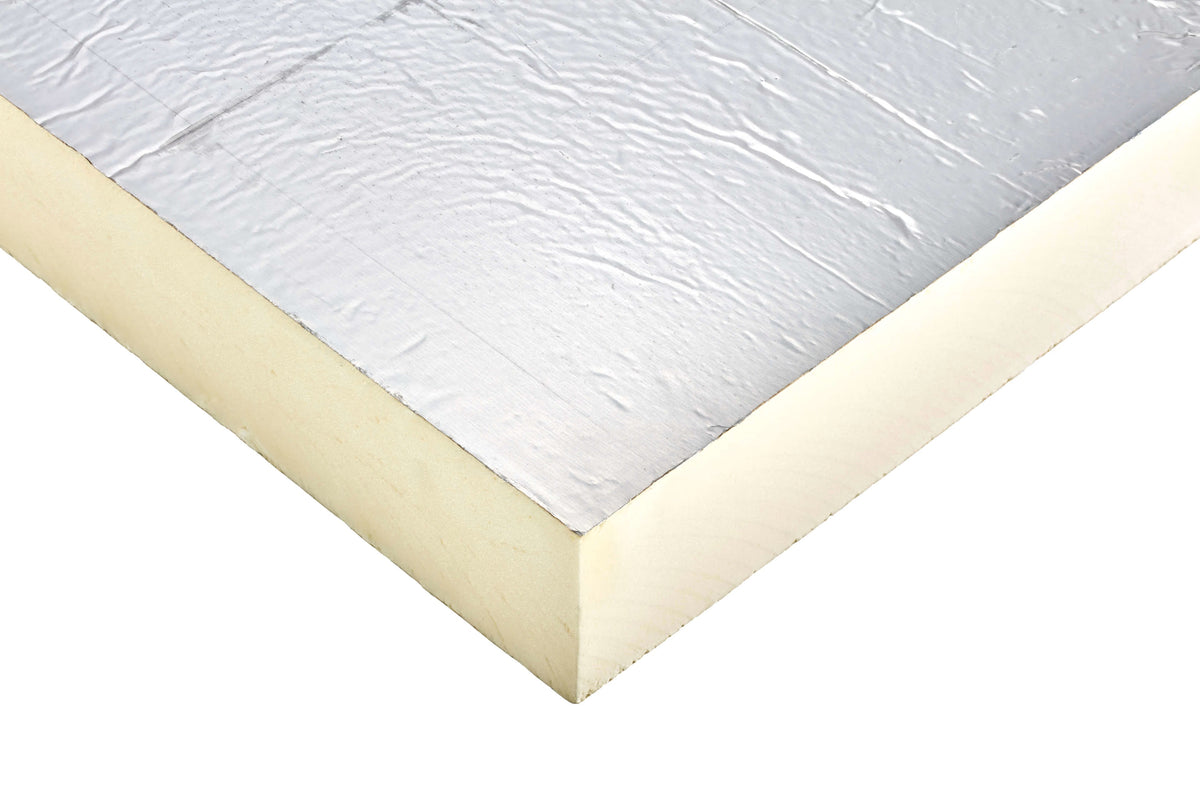
Yes. Rigid PIR insulation is commonly used in suitable warm and cold flat-roof build-ups, but it sits in a different position depending on the roof design.
For a warm roof it is used as the rigid insulation layer above the structural deck. In a cold roof it can be fitted between the joists while the required ventilated void is kept clear above.
Shop our PIR insulation board or browse the Build a Flat Roof collection for the wider roof system.
Which should you use?
For a new timber flat roof, a warm roof is often the simpler layout because you do not have to create and keep a continuous ventilated void through the roof structure.
A cold roof can work, but the ventilation path needs to be designed properly and kept clear. Simply fitting insulation tightly between the joists and boarding over it does not create a correct cold-roof build-up.
What insulation thickness do you need?
Warm or cold tells you where the insulation sits. The required thickness depends on the insulation product, the roof construction and the thermal performance the project needs to achieve.
For PIR thickness and U-values, see our PIR U-value and thickness guide.
For the full roof sequence, see How to Build a Timber Flat Roof. To shop the structure, deck, PIR and EPDM in one place, see the Build a Flat Roof collection.