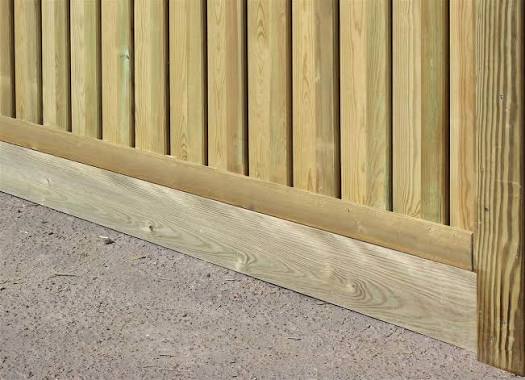
You cannot reliably identify the treatment specification from colour alone. Green or brown colouring can be associated with pressure-treated timber, but appearance does not prove which preservative was used, the Use Class or the intended end use.
Check the label, sales description or supplier specification
The most reliable answer is documentation. Wood Protection Association guidance recommends identifying preservative-treated products through labels and sales documentation, including where the relevant user guidance can be found.
Green timber is not automatically UC4
Different treated products can have a similar green appearance. Ground-contact suitability must come from the treatment specification, not from how dark or green the timber looks.
Fresh treatment colour can fade naturally
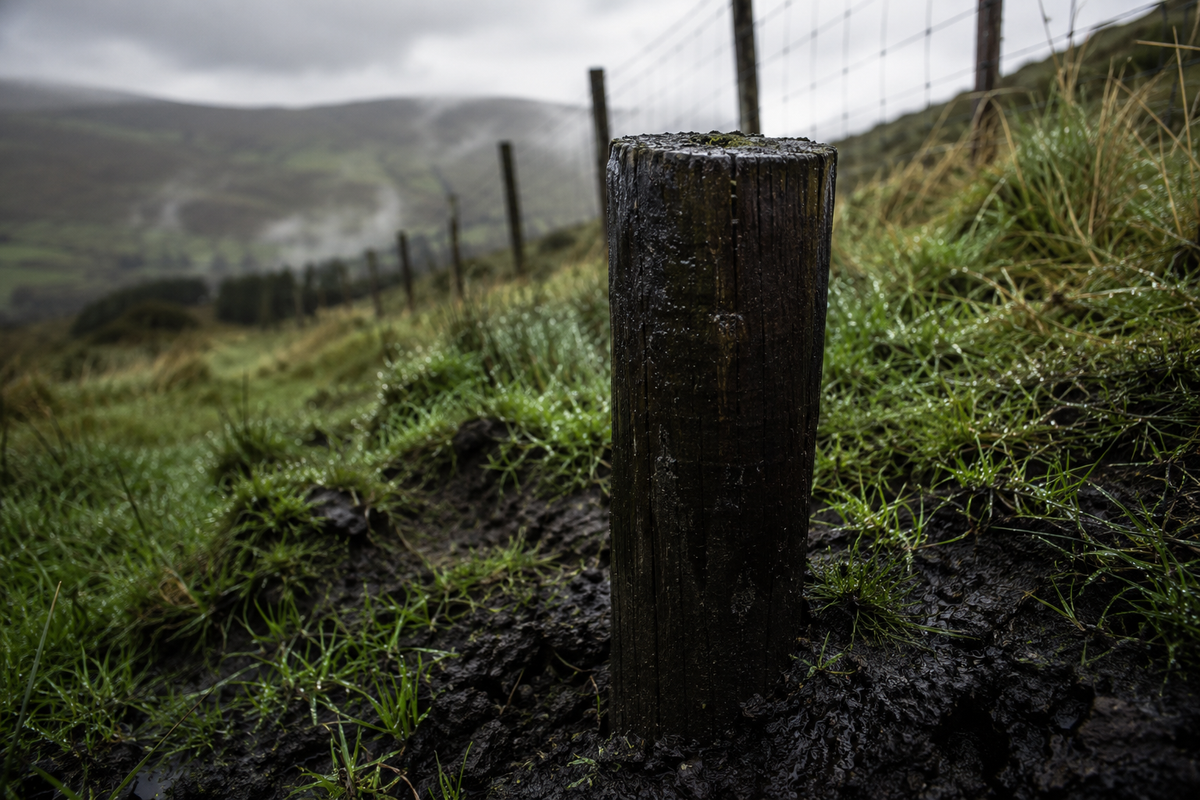
Some pressure-treated timber starts green and gradually weathers towards brown and then grey outdoors. Fading colour does not automatically mean the preservative treatment has stopped working.
Do not rely on smell or a fresh cut
Home tests such as looking at a cross-section, smelling the timber or judging its weight cannot reliably confirm the Use Class. Treatment penetration varies with species and specification.
If the end use matters, ask before installing it
For jobs such as ground-contact posts or exterior structural support, the treatment specification matters. If it cannot be confirmed, do not assume the timber is suitable just because it looks treated.
Read What Is Tanalised Timber? and UC3 vs UC4 Treated Timber, or browse Treated Timber.