

Description
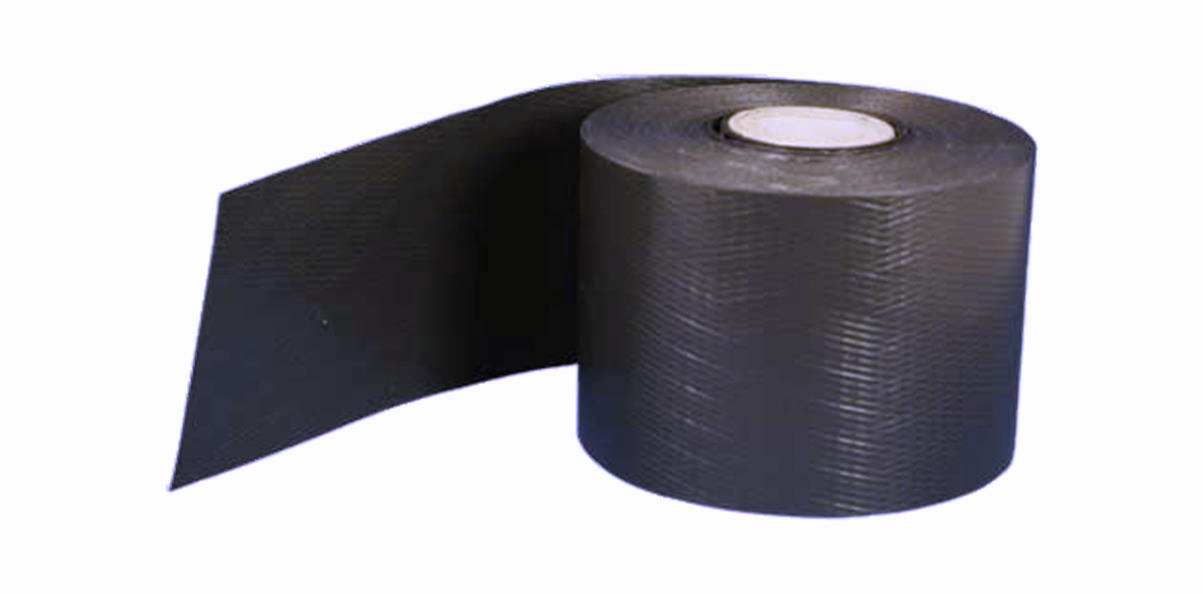
Polythene DPC – 30m Roll
Flexible polythene damp proof course for creating a moisture barrier within brickwork and blockwork. Installed as part of the masonry construction, DPC helps prevent moisture passing through the wall and causing damp problems above it.
Available in 100mm and 450mm widths, both supplied as individual 30 metre rolls.
What is DPC?
DPC means Damp Proof Course.
It is a moisture-resistant layer built into a wall to interrupt the path that water would otherwise take through the masonry.
In a typical wall, the DPC is bedded into a mortar joint so that moisture cannot simply continue travelling upwards through the bricks or blocks.
It is commonly used in:
-
House building
-
Extensions
-
Garages and outbuildings
-
Brick walls
-
Blockwork
-
Renovation and repair work
-
General masonry construction
What is polythene DPC?
This version is made from flexible polythene rather than a rigid material.
That makes it straightforward to roll out, cut to length and incorporate into brick or blockwork while the wall is being built.
Samac describes its polythene DPC as designed to prevent the passage of moisture in brick and blockwork from external sources.
Which width do I need?
The width matters because the DPC needs to suit the masonry or construction detail in which it is being installed.
100mm × 30m
The 100mm roll is the narrower option.
It is commonly suited to approximately 100mm-wide masonry sections, such as individual brick or block leaves, where a 100mm DPC is appropriate to the construction detail.
This is likely to be the everyday choice where you simply need a narrow strip of DPC through a standard-width section of masonry.
450mm × 30m
The 450mm roll provides a much wider moisture barrier.
Choose this where the construction detail specifically requires a broader DPC across a wider masonry section or other wide damp-proofing detail.
It is not simply a “better” version of the 100mm roll. Use the width specified for the wall or detail being constructed.
Do not automatically use a wide roll to bridge a cavity or create a cavity tray. Cavity trays and other details dealing with downward-moving water can have different product and installation requirements.
100mm or 450mm?
As a simple guide:
100mm – narrow masonry sections and individual wall leaves where approximately 100mm coverage is required.
450mm – wide masonry or damp-proofing details where a 450mm strip has been specified.
If you're working from building drawings or a construction specification, use the DPC width shown rather than substituting a different width.
DPC vs DPM – what's the difference?
These are easily confused.
A DPC (Damp Proof Course) is normally a strip incorporated into walls.
A DPM (Damp Proof Membrane) is normally a much larger sheet used beneath floors or slabs.
Although both control moisture, they are not automatically interchangeable.
Who uses it?
Polythene DPC is primarily used by:
-
Bricklayers
-
Builders
-
Groundworkers
-
Extension and renovation contractors
-
Property maintenance trades
-
Experienced DIY customers carrying out masonry work
Installation considerations
The DPC needs to form a continuous moisture barrier through the relevant section of the wall.
Before installation, check:
-
The required DPC width
-
The wall construction
-
The position specified for the DPC
-
Required overlaps at joints
-
Junctions with other damp-proofing materials
-
Whether the detail requires standard DPC, a cavity tray or another specialist membrane
For new structural work, follow the building specification and applicable construction guidance rather than selecting the DPC solely by roll width.
Product details
-
Product: Polythene Damp Proof Course
-
Material: Polythene
-
Roll length: 30 metres
-
Widths stocked: 100mm and 450mm
-
Application: Moisture barrier in brickwork and blockwork
-
100mm supplier packaging: 9 rolls per sleeve
-
450mm supplier packaging: 2 rolls per sleeve
-
Wern-Wood sale unit: Individual 30m roll
Price shown is for one individual 30 metre roll, not a full supplier sleeve.