
Description
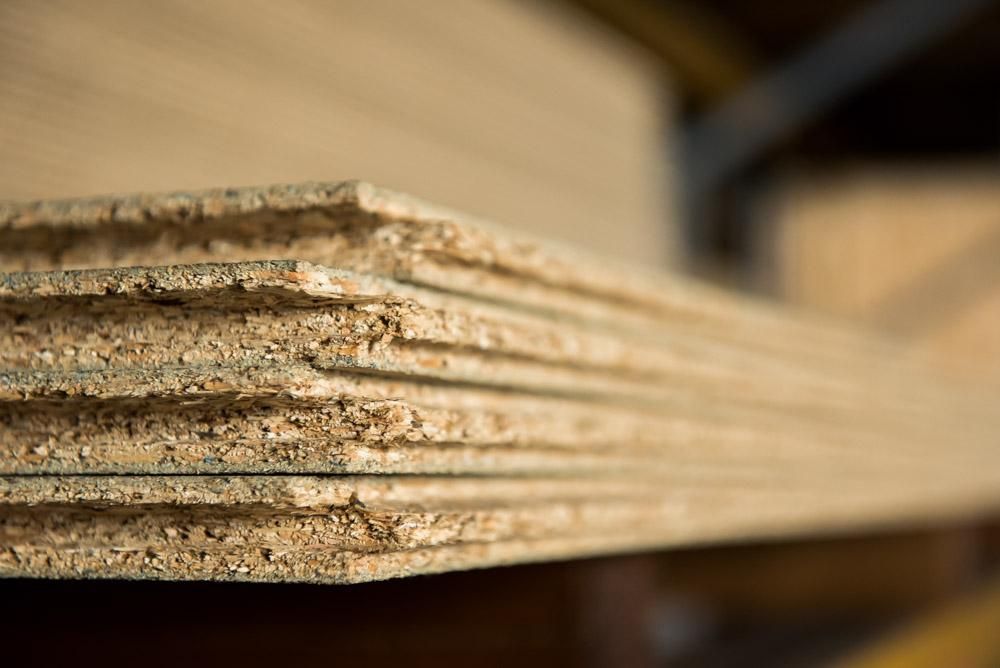
P5 tongue-and-groove chipboard flooring for laying over timber joists. Available in 18mm and 22mm, these 2400 × 600mm boards are commonly used for house floors, loft boarding, extensions, refurbishments and replacing existing chipboard flooring.
The tongue-and-groove edges fit tightly together to create a strong, continuous floor, while the P5 grade provides moisture resistance for flooring applications.
- Board size: 2400 × 600mm
- Coverage: 1.44m² per board
- Thicknesses: 18mm and 22mm
- Grade: P5 moisture-resistant chipboard
- Edge: Tongue & groove
Where is P5 chipboard flooring used?
P5 T&G flooring is commonly used for:
- Boarding lofts
- Flooring over timber joists
- New-build and extension floors
- Refurbishment and replacement flooring
- Creating a solid base for the final floor covering
If you have been told you need 18mm or 22mm tongue-and-groove chipboard flooring, this is the standard type of board used for the job.
18mm or 22mm?
18mm is commonly used for domestic flooring and loft boarding.
22mm provides a thicker, more rigid floor and is commonly used for heavier-use areas.
How should P5 chipboard flooring be fixed?
We recommend screws because they pull the board firmly against the joists and help minimise movement.
- 18mm flooring: 5 × 50mm screws
- 22mm flooring: 5 × 60mm screws
- Typical joist centres: 400mm
- Support all board joints
- Fit the tongue-and-groove joints tightly together
- Follow the current board manufacturer's fixing pattern
Keeping the boards firmly supported and fixed helps produce a solid floor and reduces movement that can cause squeaking.
Should you glue P5 flooring?
Gluing the joints can create a very strong, rigid floor.
If you may need future access underneath for pipes, wiring or other services, screw fixing makes the boards easier to remove later.
Leave a perimeter expansion gap
Fit the tongue-and-groove joints tightly together, but leave an expansion gap around the outside of the floor. As a general guide, allow approximately 5mm at each side of the room.
Boarding a loft?
These P5 boards can be used for loft flooring. For a complete loft boarding project, you may also need loft legs, timber, insulation and a suitable loft access hatch.