
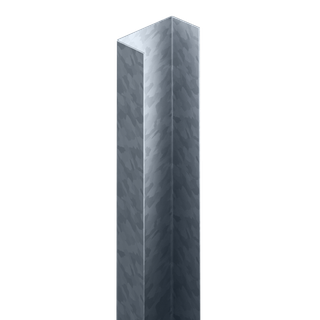
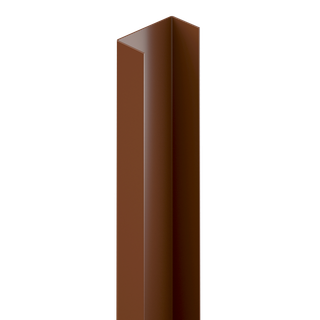


Description
The DuraPost Classic Post End Infill closes the open face of a Classic post where the fence run terminates. It turns an exposed structural profile into a deliberate finished end.
When do I need it?
Use an end infill where a Classic post remains visible at the end of a straight fence run and there is no adjoining panel or connection detail occupying the open post profile.
What does it do?
- closes the open face of the Classic post
- creates a cleaner end-of-run appearance
- protects the visual finish of a premium DuraPost installation
- can be cut to suit the exposed post height
End infill or cover strip?
They perform different jobs. The end infill closes the open post profile at a termination. A Classic cover strip conceals the fixing face/rear fixings of the post. Depending on the layout, one or both may be relevant.
What else finishes the end post?
Consider a matching post cap and, if the fence carries a continuous top rail, the corresponding capping detail. Choose the infill finish to match the visible post.
This 2.1m profile can be trimmed to the required finished height before fitting.
Why finish the end of the run?
The final post is where a premium fence can suddenly look unfinished. Closing the open Classic profile turns the termination into an intentional detail rather than exposing the structure of the post.
Explore the range: Browse the DuraPost fencing and components range.