


Description
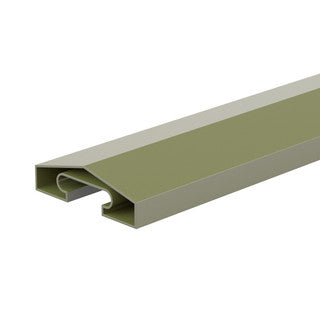
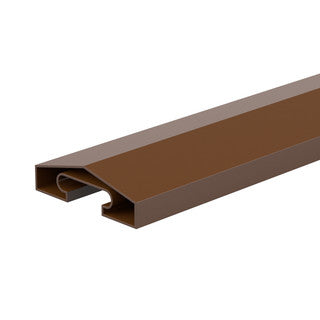
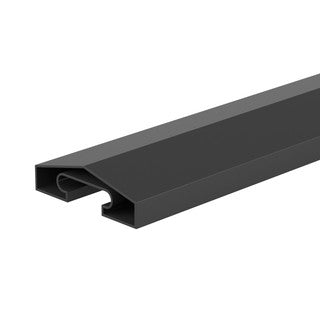
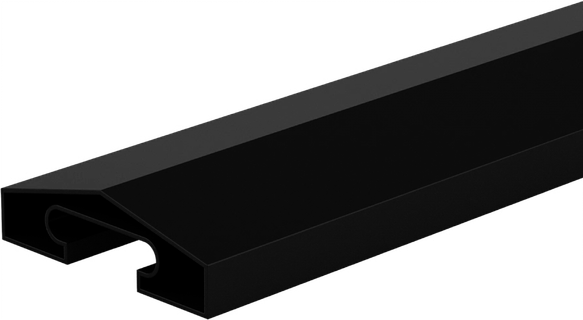
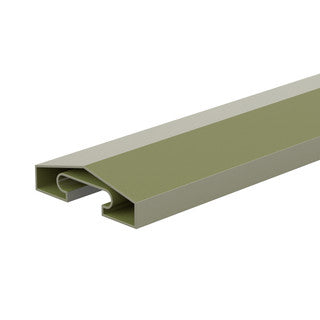
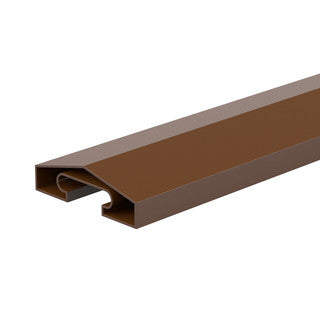
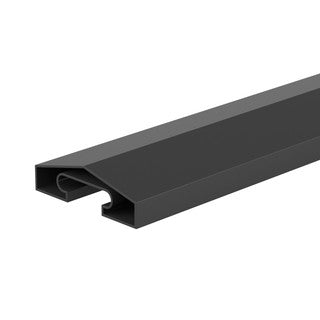
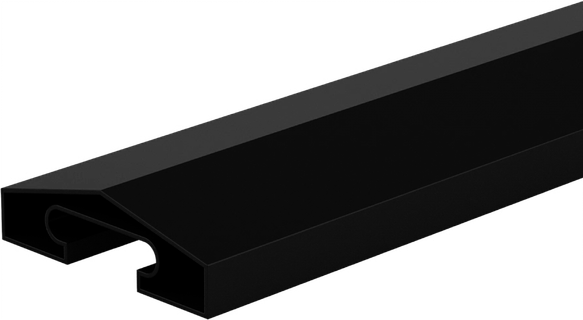
The DuraPost 65mm capping rail creates the clean, continuous top edge used to finish compatible DuraPost fencing, including stacked PRIMA composite panels. It turns the top of the fence from an exposed board stack into a deliberate architectural detail.
Who should use a capping rail?
It is suited to homeowners, garden designers and installers who want the finished fence to look complete from close range as well as from across the garden. On PRIMA in particular, the capping rail visually ties the stacked boards and posts together.
What does it do?
- Creates a continuous finished line across the top of the fence
- Covers and visually finishes the upper edge of the panel
- Coordinates with DuraPost post and accessory colours
- Can be used as part of the PRIMA finishing arrangement with the correct packers and capping fixings
Which length do I need?
- 1.83m: suited to a standard approximately 1.8m bay
- 2.45m: suited to the longer PRIMA board / wider compatible bay
Choose the rail length from the actual panel width and post arrangement rather than the overall fence-run length.
What else do I need for a PRIMA installation?
For a stacked PRIMA fence, the main system consists of PRIMA boards, the correct reinforcement rods, supporting posts and the chosen finishing components. Where this capping rail is used, the fitting arrangement may also require:
- DuraPost Universal Capping Rail Fixings
- PRIMA Capping Rail Packers
- matching post caps and cover strips where required by the final design
Choose the finish as part of the whole elevation
The capping rail is available in coordinated DuraPost finishes. Match it to the posts for a restrained frame, or use the finish deliberately against the PRIMA board colour as part of the garden design.
For the underlying panel build, see the DuraPost PRIMA boards and PRIMA reinforcement rods.
Why add a capping rail?
It gives the eye one clean line across the top of the fence and makes the whole run feel finished. On PRIMA and other compatible systems, that small architectural detail can make the difference between a functional boundary and a deliberately designed one.