Which Fence Is Mine? The Left-Hand Rule Is a Myth
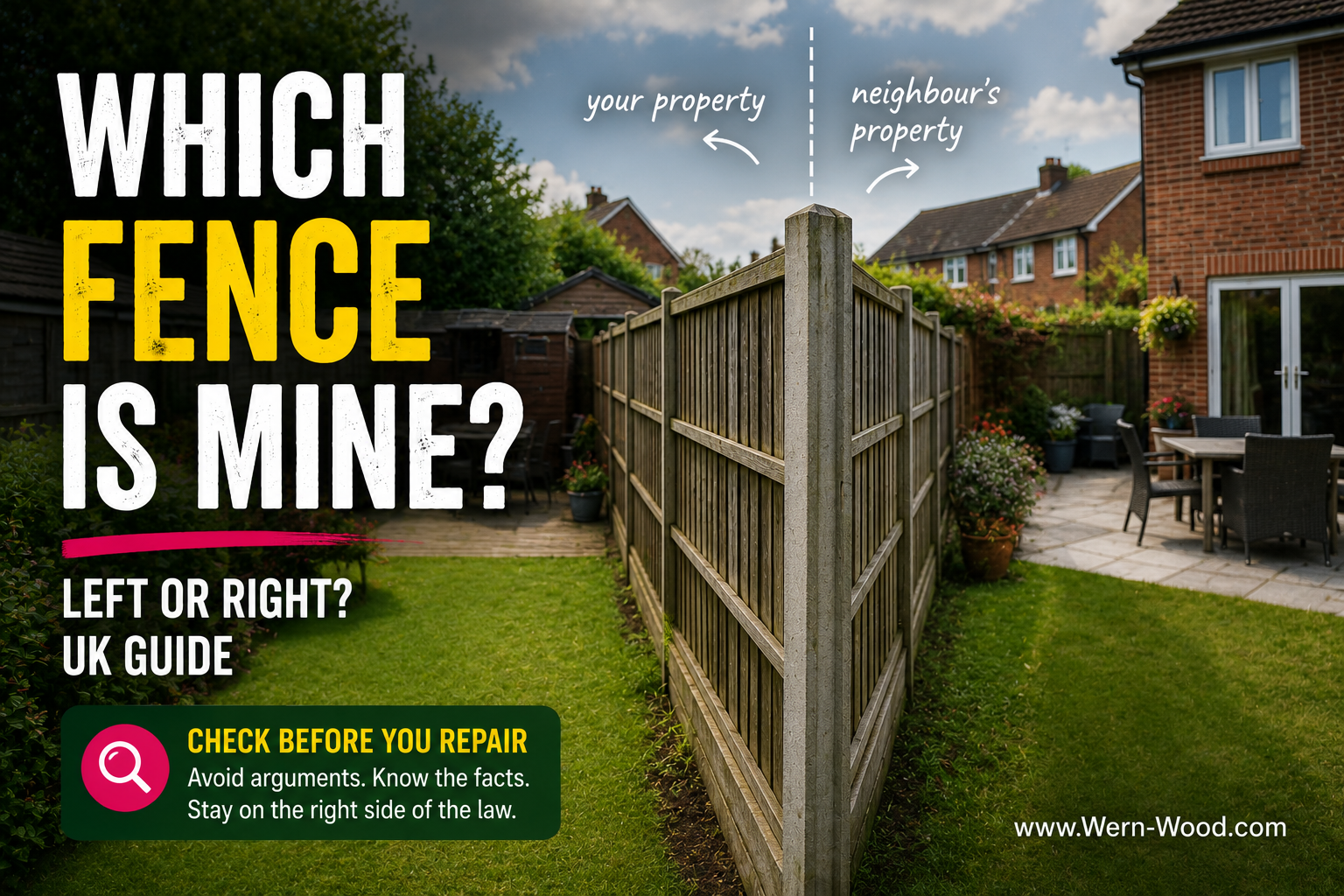
There is no fixed UK rule that says the fence on the left or right side of your property is yours. Fence ownership and boundary responsibility usually depend on your title register, title plan, filed deeds, transfer documents, boundary agreements, or a clear agreement with your neighbour. Before replacing, repairing, painting or removing a boundary fence, check the paperwork and speak to your neighbour first. Do not rely on the left-hand fence rule, the right-hand fence rule, the “good side” of the fence, or the position of the posts.
This is one of those questions that sounds like it should have a simple answer. “Which fence is mine?” Left side? Right side? The nice side? The side with the posts?
The awkward answer is this: you cannot safely tell from the garden alone.
Fence ownership is not decided by which side of the property the fence sits on. It is not decided by which way the fence faces. And it is not decided by what a previous neighbour once told someone twenty years ago.
If you are planning to repair, replace or upgrade a fence, the first job is not buying panels. The first job is making sure it is actually your fence to work on.
The left-hand fence rule is not a legal rule
A lot of homeowners are told they own the fence on the left-hand side of the garden. Others are told it is always the right. Neither is a reliable rule.
On some estates, a builder or developer may have followed a pattern when properties were first sold. That does not make it a national legal rule. Two houses on the same street can have different boundary responsibilities depending on how the plots were transferred, registered or agreed.
If someone says “it is always the left” or “it is always the right”, treat that as a warning sign. It might be true for one property, but it is not a rule you should rely on before spending money or starting work.
How do you know which fence is yours?
The safest starting point is to check the documents connected to your property. Depending on the age and history of the property, useful information may be found in:
- Title register
- Title plan
- Filed deeds
- Transfer documents
- Conveyance plans
- Boundary agreements
- Neighbour agreements
- Previous sale paperwork
These documents may tell you who is responsible for a boundary. They may also be silent. In England and Wales, there is often no official record of the exact boundary between two properties or who owns the fence, wall, hedge or tree between them.
That means the paperwork is the correct starting point, but it is not guaranteed to give a perfect answer every time. If the documents are unclear and the issue matters, get proper advice before removing or replacing anything.
What fence ownership clues should you look for?
When checking the paperwork, look for anything that identifies boundary responsibility clearly. These are the most useful places to start.
| What to check | What it may tell you | How to treat it |
|---|---|---|
| Title register | May mention boundary responsibility or refer to older deeds. | Start here |
| Title plan | Shows the general boundary, but usually not the exact legal line. | Useful, not exact |
| Filed deeds or transfer plan | May contain wording, T marks, measurements or maintenance obligations. | Very useful |
| T marks | May indicate responsibility for a boundary structure or maintenance. | Read with wording |
| H marks | Often suggest shared responsibility where two T marks meet. | Read with wording |
| Boundary agreement | Can record the boundary position or who maintains a fence, wall, hedge or tree. | Useful if valid |
| Neighbour conversation | Can avoid a dispute and confirm what both sides believe has been agreed. | Get it in writing |
What do T marks mean on a boundary plan?
T marks can help, but they are not something to guess from quickly. An entry referring to a T mark is normally a statement about ownership of a boundary structure or responsibility to maintain and repair it. If T marks appear on both sides of the boundary, often forming an H shape, that can suggest shared responsibility.
The important detail is this: T marks should be read with the wording in the deed, transfer or register. Do not rely on the mark alone if the wording is unclear, the plan is old, or there is already disagreement.
If you are stood in the garden arguing about which way the fence faces, you are already looking in the wrong place. The paperwork matters more than the “good side”, the posts, or what side of the garden it is on.
Who is responsible for maintaining a fence?
If the documents make you responsible for maintaining a boundary, you will usually be expected to deal with repairs or replacement. If the documents are silent, responsibility may need to be agreed between neighbours.
That is not the same as saying both neighbours must pay. Shared benefit does not automatically mean shared legal responsibility. One neighbour may choose to contribute because the fence benefits both gardens, but that should be agreed clearly before work starts.
This is where a quick conversation before ordering materials can save a much bigger argument later.
Can you replace a fence if you are not sure it is yours?
You should be careful. If you remove, alter or replace a fence that belongs to someone else, you may create a dispute even if you meant well.
Before replacing a boundary fence, work through this checklist:
- Check your title register and title plan for any boundary notes.
- Check any filed deeds or transfer documents if available.
- Look for T marks, H marks or maintenance wording rather than relying on garden position.
- Speak to your neighbour before starting work.
- Agree who is paying if costs are being shared.
- Agree the fence type and height before materials are ordered.
- Keep a written note of what has been agreed.
If the fence is clearly yours and you are ready to replace it, choose materials that suit the boundary, not just the look. A like-for-like panel swap is very different from changing height, changing the fence line, or adding a heavier style of fencing.
What if the records do not say who owns the fence?
This is common, especially with older properties. If the documents are unclear, the practical answer is usually agreement. Talk to the neighbour, explain what you want to do, and agree how the boundary will be maintained.
If both sides want to record the position of the boundary or who is responsible for maintaining the fence, wall, hedge or tree, a boundary agreement may be possible. Get legal advice before making one, especially if the boundary position itself is disputed.
Boundary disputes can become expensive very quickly. If there is disagreement over ownership, position, access, cost or responsibility, do not rely on a blog article or a guess from a neighbour. Speak to a solicitor, surveyor, Citizens Advice or another suitable professional before taking action.
Can you put up your own fence inside your boundary?
Sometimes, if the neighbouring fence is not yours and the owner does not want to replace it, you may choose to install your own fence inside your side of the boundary.
That can be a practical solution, but it still needs care. You should avoid damaging the neighbour’s property, avoid moving the boundary line, and make sure the new fence does not create planning, access, drainage or maintenance problems.
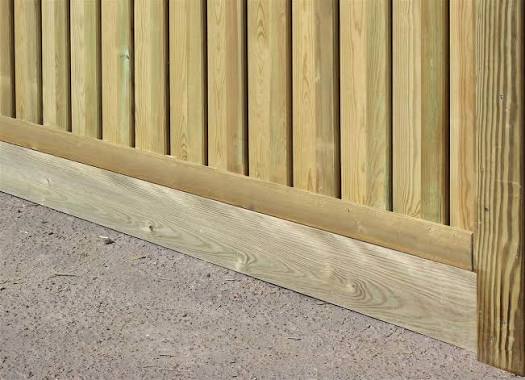
If you are building a new fence inside your boundary, plan it properly from the start: posts, panels or boards, gravel boards, fixings, height, finished line, and access for future maintenance.
Fence height still matters
Even if the fence is yours, height rules still matter. In Wales, planning permission may be needed if you erect or add to a fence, wall or gate over 1 metre high next to a highway used by vehicles, or over 2 metres high elsewhere. Conservation areas, listed buildings, planning conditions and local restrictions can also change what is allowed.
Replacing a fence like-for-like is one thing. Increasing the height, changing the line, or building beside a highway is another. Check the rules before ordering materials, especially near roads, pavements, listed buildings or conservation areas.
Building regulations and safety
In Wales, fences, walls and gates do not normally require building regulation approval. However, they still need to be structurally sound and maintained.
That matters because a badly installed fence can fail in wind, damage property, or injure someone. Fence ownership might be a paperwork question, but fence safety is still practical: the posts, fixings, panels and ground conditions all need to suit the job.
Common mistakes homeowners make
- Assuming the left fence is yours — there is no universal left-hand rule.
- Assuming the right fence is yours — same problem, opposite side.
- Replacing a fence without checking — this can turn a simple job into a dispute.
- Relying on the “good side” of the fence — appearance does not prove ownership.
- Relying on the posts or rails side — construction style does not safely prove legal responsibility.
- Ignoring old deeds — useful boundary wording may be in older filed documents.
- Forgetting to speak to the neighbour — even when you are right, a conversation helps.
- Changing the height without checking rules — this can create planning problems.
- Ordering materials too early — confirm ownership, height and style before buying.
Before you order replacement fencing
Once you have confirmed the fence is yours to replace, work out what kind of job it actually is. A single damaged panel is not the same as replacing the whole boundary.
| If you are doing this | Check first | Likely materials |
|---|---|---|
| Replacing one damaged panel | Bay width, panel height and whether the existing posts are sound. | Fence panel, clips or fixings if needed. |
| Replacing panels and posts | Ownership, fence height, post spacing, ground conditions and access. | Fence panels, fence posts, postmix, clips and fixings. |
| Changing fence height or style | Neighbour agreement, planning risk, boundary line and finished appearance. | Full fencing system: panels or boards, posts, rails, gravel boards, postmix and fixings. |
| Building inside your boundary | Space, access for maintenance, drainage, boundary position and neighbour impact. | Posts, panels or boards, postmix, fixings and possibly gravel boards. |
| Repairing a leaning fence | Whether the post has failed, whether the ground has moved, and whether a repair spur is suitable. | Repair spur, postmix, fixings, or replacement posts if the damage is too far gone. |
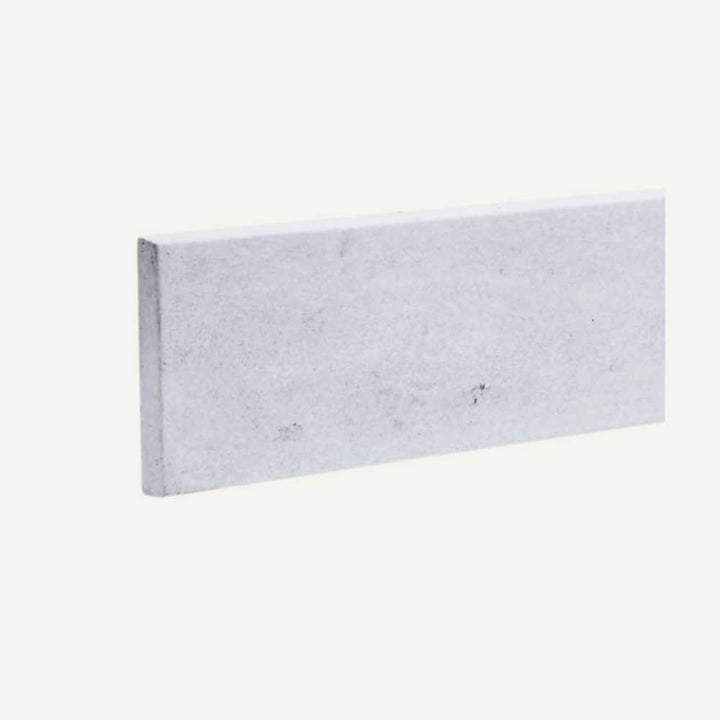
For straightforward replacement fencing, browse Fence Panels, Fence Posts, Gravel Boards and Postmix & Fence Fixings together before starting. It is much easier to do the job properly when the panels, posts, boards and fixing materials all match the plan.
FAQs
Which fence is mine in the UK?
There is no fixed UK rule that says your fence is on the left or right. The safest way to check is to look at your title register, title plan, filed deeds, transfer documents, boundary agreements or any written agreement with your neighbour.
Is the left-hand fence rule true?
No. The left-hand fence rule is a common myth. Some estates may have patterns, but there is no general legal rule that makes the left-hand fence yours.
How do I find out who owns a boundary fence?
Start with your property documents. Check the title register, title plan and any filed deeds or transfer documents. If the records are unclear, speak to your neighbour and get professional advice if the issue becomes disputed.
What does a T mark mean on a fence boundary?
A T mark can indicate ownership of a boundary structure or responsibility to maintain and repair it, but it should be read with the wording in the deed, transfer or register. If T marks appear on both sides, often forming an H shape, that may suggest shared responsibility.
Can I replace my neighbour’s fence?
You should not remove or replace a fence that belongs to your neighbour without agreement. If you want a better fence and the existing one is not yours, you may need to agree a replacement with them or consider installing your own fence inside your boundary.
Who pays for a replacement fence?
If the documents make one property responsible for maintaining the boundary, that usually guides responsibility. If the documents are silent, neighbours often need to agree what happens. Some neighbours share costs where both sides benefit, but this should be agreed before ordering materials.
Do I need planning permission to replace a fence?
Like-for-like replacement often does not need permission, but increasing the height or building near a highway can change things. In Wales, permission may be needed for fences over 1 metre next to a highway used by vehicles or over 2 metres elsewhere.
Summary: check first, then build
If you remember one thing, make it this: there is no left or right fence rule you can rely on.
Check the documents, speak to your neighbour, agree what is being replaced, and only then order the materials. It is much easier to plan a fence properly than to fix a boundary argument after the old one has already been pulled down.
Replacing a fence once you know it is yours?
Plan the full job before you start: panels, posts, gravel boards, postmix and fixings. Browse our fencing range online or visit the yard for practical advice before ordering.
Shop Fence Panels → Order online or collect from our Briton Ferry yard. Yes, we deliver.Sources checked: GOV.UK property boundary guidance; HM Land Registry boundary guidance; Gov.Wales planning permission guidance for fences, gates and garden walls; Gov.Wales building regulations guidance for fences, walls and gates. This article is general guidance only and is not legal advice. Boundary disputes, unclear ownership, title interpretation and neighbour disagreements should be checked with a solicitor, surveyor, Citizens Advice or another suitable professional.