Tanalised Timber Is Treated — Not Waterproof, Firewood or Magic
Tanalised timber is pressure-treated timber designed to improve resistance to fungal decay and insect attack. In everyday UK use, customers often use “tanalised” to mean pressure-treated outdoor softwood. It is useful for fencing, posts, sleepers, landscaping and garden builds, but it is not waterproof, not automatically suitable for every exposure, not ready to paint while wet, and should never be burned in a stove, fire pit, barbecue or open fire.
“Tanalised timber” is one of those timber terms customers hear everywhere. It gets used for fence posts, featheredge boards, sleepers, treated sawn timber and almost any green-looking outdoor timber.
The trouble is that the word often gets asked to do too much. Some people think tanalised means waterproof. Some think it means safe for any use. Some think it means every treated product can go in the ground. Some think offcuts can go on the fire because “it is only wood”.
The useful answer is more practical: tanalised timber is treated timber, but you still need to choose it, cut it, install it, finish it and dispose of it properly.
What does tanalised timber mean?
Tanalised timber means timber that has been pressure treated with a preservative system to improve resistance to fungal decay and insect attack. In strict terms, Tanalised is linked with branded preservative treatment systems, but in normal customer language it is often used as shorthand for pressure-treated outdoor timber.
The important point is that tanalised timber is still timber. It can absorb moisture, move with changing conditions, weather on the surface and fail early if the wrong product is used in the wrong place.
The question should not only be “is it tanalised?” The better question is “is it treated for where I am using it?”
- Pressure-treated timber
- Improved decay resistance
- Outdoor softwood use
- Not waterproof
- Not firewood
- Use Class still matters
- Cut ends need care
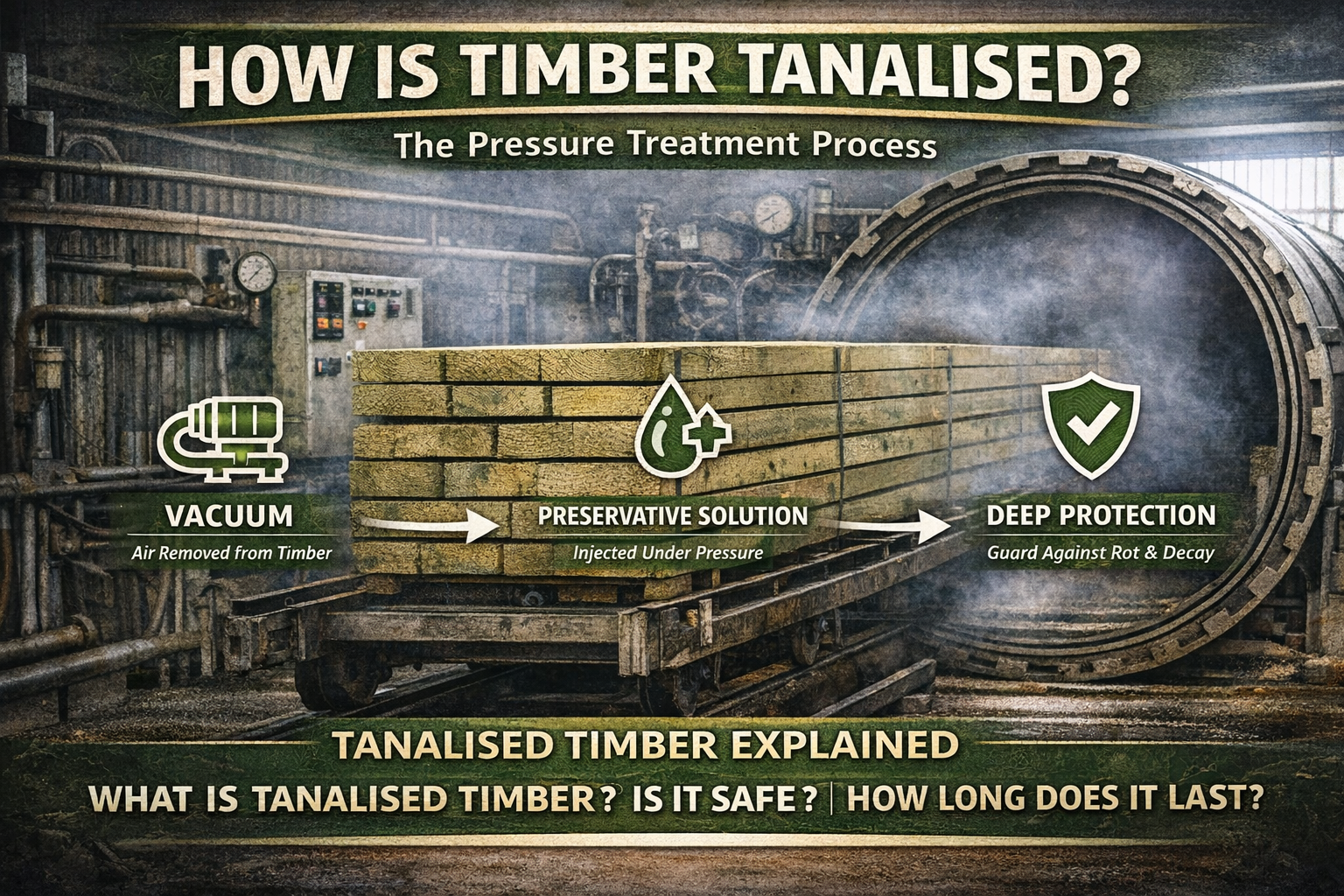
How is timber tanalised?
Timber is tanalised using an industrial treatment process that forces preservative into the wood under controlled conditions. This gives better preservative penetration than a simple surface coating.
That is why pressure-treated timber is so common for outdoor work. Untreated softwood does not usually cope well with long-term outdoor moisture exposure. Pressure treatment improves durability, especially when the timber is matched to the correct use.
But treatment is not a replacement for good design. Timber still needs drainage, airflow, correct fixing and the right Use Class for the job.
Treated timber vs tanalised timber
In everyday trade conversation, “treated timber” and “tanalised timber” are often used almost interchangeably. Strictly, treated timber is the broader term. Tanalised refers to a recognised pressure-treated timber term linked to specific preservative systems.
For most customers, the practical buying question is not which word sounds better. It is whether the timber is treated to the correct level for its intended use.
| Term | What it usually means | Buying point |
|---|---|---|
| Treated timber | A broad term for timber given preservative treatment. | Check the use, exposure and treatment level. |
| Tanalised timber | Common customer term for pressure-treated outdoor timber. | Still check whether it suits above-ground or ground-contact use. |
| UC3-type use | Outdoor above-ground timber that can dry between wet periods. | Suitable for many rails, boards and above-ground garden timbers. |
| UC4-type use | Ground contact, very wet conditions, fresh-water contact or exterior structural support. | Think posts, ground-contact sleepers and higher-risk exterior timber. |
Is tanalised timber safe?
Tanalised timber is widely used for normal outdoor building, fencing and landscaping when handled properly. The Wood Protection Association notes that preservative-treated timber has been used successfully as a construction material for many years and that industrial wood preservatives are highly regulated to ensure they are safe and effective.
That does not mean careless handling is sensible. Treated timber should be used for its intended purpose, cut with sensible dust control, handled as a building material, and disposed of properly.
- Wear suitable PPE when cutting, drilling or sanding.
- Avoid breathing timber dust, especially when machining treated timber.
- Wash hands after handling, especially before eating or drinking.
- Do not use sawdust or shavings from treated timber as animal bedding or garden mulch.
- Do not burn treated timber or offcuts.
The useful question is not “is tanalised timber dangerous?” It is “am I using and handling it correctly?” Fencing, sleepers and exterior building work are normal uses. Burning, ingesting, using sawdust as animal bedding, or treating it like clean firewood are not.
Can you burn tanalised timber?
No. You should not burn tanalised timber, pressure-treated timber, treated offcuts, painted timber or coated timber in a stove, wood burner, fire pit, barbecue or open fire.
This is one of the few answers that should stay blunt. Treated timber is a building material, not fuel.
If you cut fence posts, rails, sleepers, featheredge boards or treated sawn timber, deal with the offcuts as treated waste. Do not throw them on the fire because they look like ordinary timber.
Pressure-treated timber should never be burned. Dispose of treated offcuts responsibly through the appropriate local waste route rather than burning them on site or at home.
Is tanalised timber waterproof?
No. Tanalised timber is not waterproof.
The treatment improves resistance to biological decay and insect attack. It does not turn timber into plastic, seal the surface like a membrane, or stop the wood from absorbing and releasing moisture.
That is why detailing still matters. Timber should not be left sitting in standing water, trapped against soil unnecessarily, or installed where it cannot drain or dry.
How long does tanalised timber last?
There is no honest single lifespan for tanalised timber. Service life depends on the timber species, treatment level, Use Class, installation, drainage, airflow, cut-end protection, ground contact and how wet the timber stays.
Above-ground treated timber with good airflow has a much easier life than a post buried in wet ground. A fence rail, featheredge board, sleeper and ground-contact post are all different exposure conditions.
The most useful advice is this: choose timber for the wettest and highest-risk part of the job, not the easiest part.
How long does tanalised timber last in the ground?
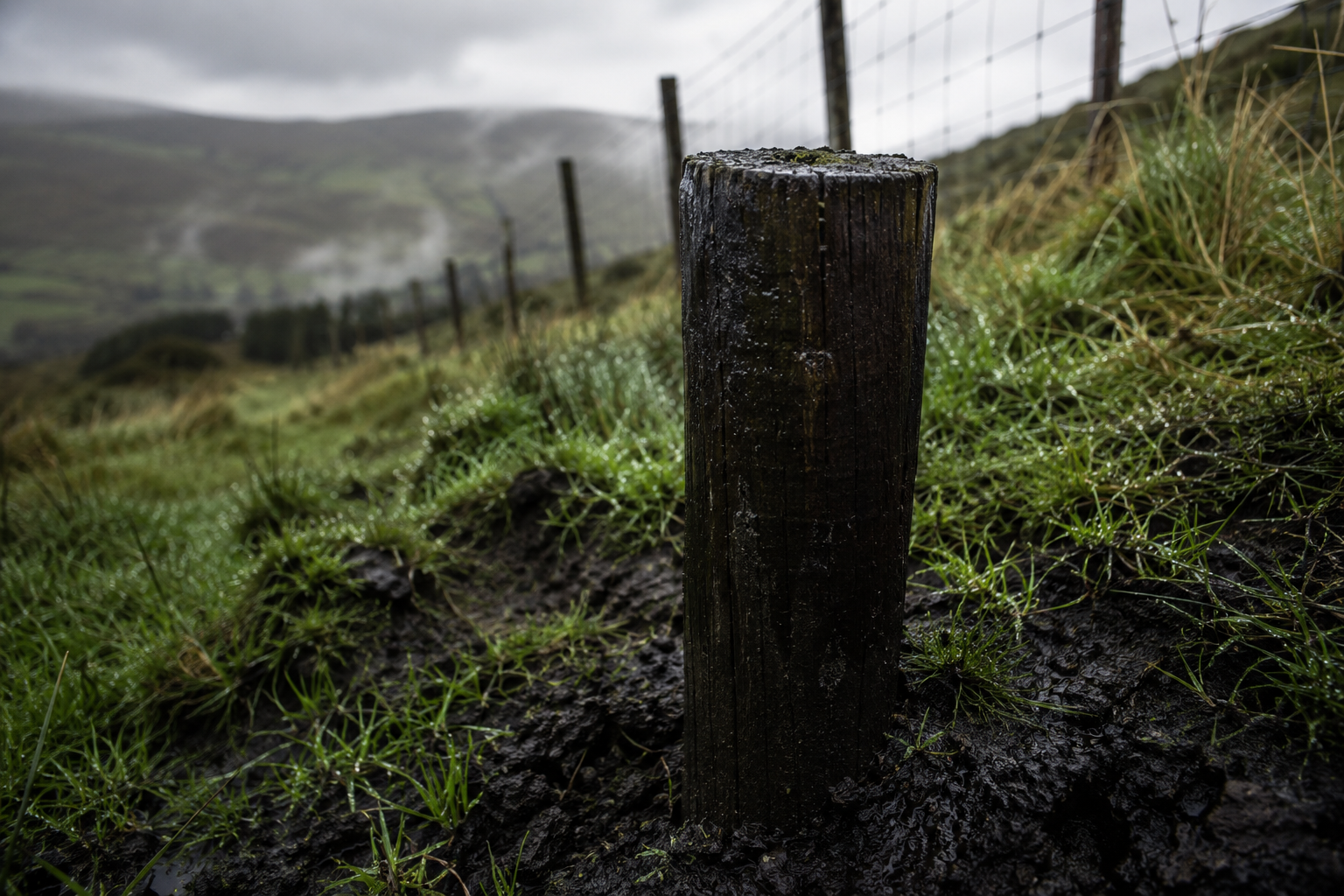
Ground contact is one of the hardest conditions for timber. If timber is going into the ground, very close to the ground, frequently wet, or providing exterior structural support, UC4 treatment should be part of the conversation.
Do not judge ground-contact suitability by colour alone. A green tint does not prove that a product is suitable for every in-ground use.
For posts, use timber posts suitable for ground contact. For sleepers and landscaping timbers used against soil, choose products intended for that use and install with drainage in mind.
Can you paint or stain tanalised timber?
Yes, tanalised timber can be painted or stained, but it must be dry enough first. Freshly treated timber often contains moisture from the treatment process and from storage conditions. If you coat it too early, the finish may not bond properly.
Painting or staining is usually about appearance, colour, surface weathering and water shedding. It is not needed to “activate” the treatment.
- Let the timber dry properly before coating.
- Use a coating suitable for exterior timber.
- Follow the paint or stain manufacturer’s instructions.
- Expect maintenance over time, especially on exposed surfaces.
If the timber feels wet, heavy, cold or visibly damp, do not rush to paint it. Let it dry properly first. A coating that fails early usually creates more work than waiting would have.
Do you need to treat tanalised timber again?
You do not normally need to apply another full preservative treatment straight away, because the timber has already been pressure treated. What matters more is correct installation, drainage, ventilation and protecting exposed cut ends.
When treated timber is cut, drilled, notched or bored, freshly exposed areas should be protected with a suitable end-grain preservative. Cut ends should not be placed in the ground, even if coated.
If you cut treated timber, protect the exposed cut end before installation. For posts and ground-contact jobs, plan cuts carefully and do not bury a cut end in the ground.
What is tanalised timber used for?
Tanalised timber is mainly used where softwood needs better durability outdoors than untreated timber can provide.
| Use | Common products | Buying point |
|---|---|---|
| Fencing | Fence posts, featheredge boards, rails, gravel boards. | Posts and boards do different jobs. Check ground-contact suitability for posts. |
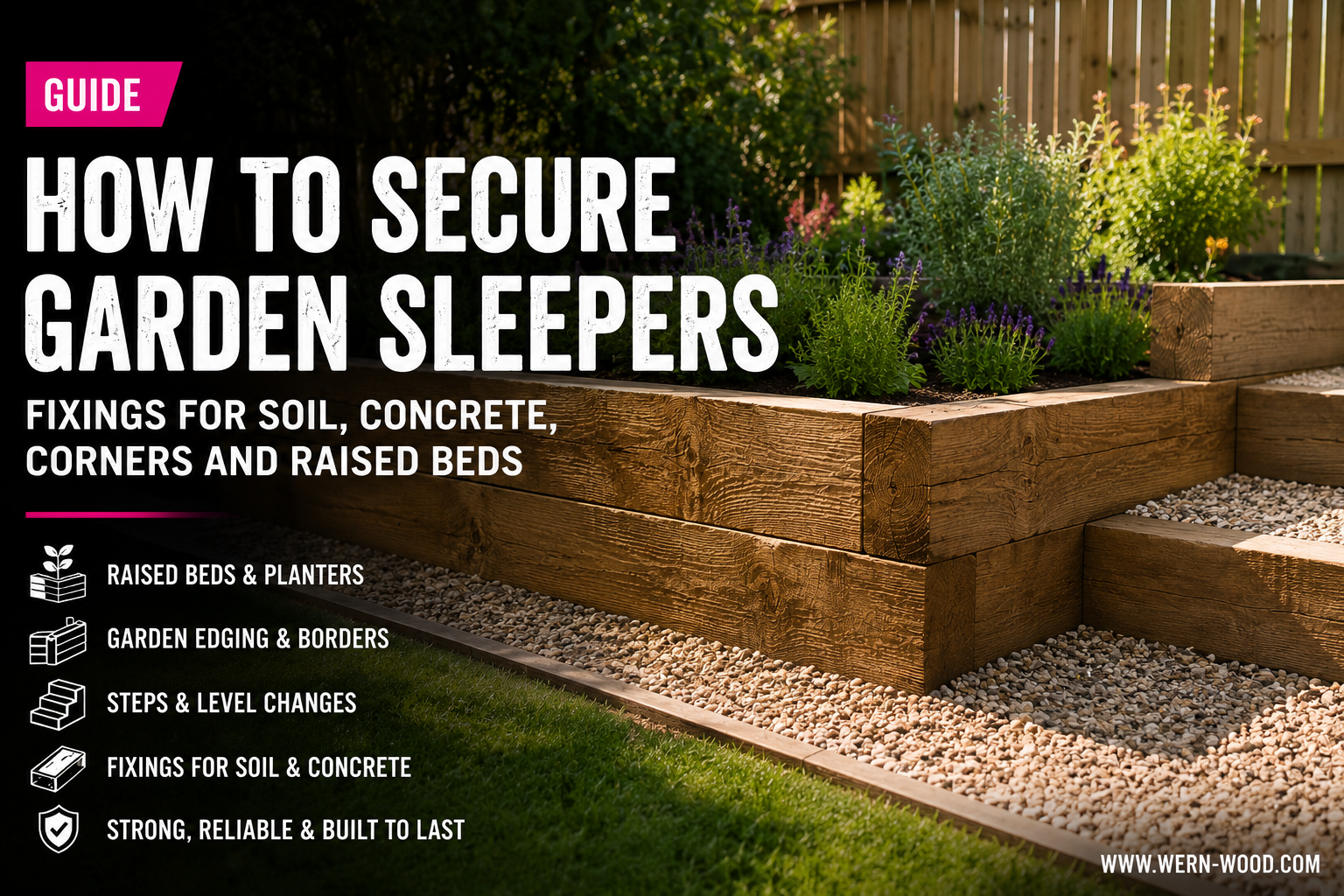
| Landscaping | Garden sleepers, edging, raised beds, retaining features. | Soil contact and drainage matter. |
| Decking and subframes | Decking support timber, framing and outdoor structures. | Airflow, drainage and treatment class matter. |
| Garden structures | Pergolas, raised frames, outside structures and general treated sawn timber. | Choose the timber by exposure and structural role. |
| General outdoor jobs | Treated sawn timber and external softwood products. | Do not assume one treated product suits every outdoor job. |
Useful starting points include Treated Sawn Timber, Fence Posts, Garden Sleepers and Featheredge Boards.
Can you use tanalised timber for raised beds?
Tanalised timber is commonly used for raised beds, sleeper beds, edging and garden landscaping because treated timber generally performs better outdoors than untreated softwood.
The right product still matters. A raised bed keeps timber close to soil and moisture, so choose timber intended for landscaping use and install with drainage in mind. Customers who want to reduce direct soil contact with the timber can also consider a suitable liner, depending on the design.
For raised beds and landscaping projects, start with Garden Sleepers.
Can you use tanalised timber indoors?
Tanalised timber is mainly chosen for exterior durability. For most indoor dry projects, cleaner internal timber, CLS, joinery timber or sheet materials are usually the more sensible choice.
There may be specialist cases where treated timber is used in a building, but for normal indoor DIY or joinery work, ask why treated timber is needed in the first place. Often, a better internal product exists.
The most common tanalised timber mistakes
- Thinking tanalised means waterproof — it does not.
- Burning treated offcuts — pressure-treated timber should never be burned.
- Using above-ground treated timber in ground contact — Use Class matters.
- Painting too soon — freshly treated timber needs to dry properly first.
- Leaving cut ends untreated — cuts, notches and holes need protection.
- Judging treatment by colour — appearance alone does not prove suitability.
- Installing timber where water is trapped — drainage and airflow still matter.
- Using treated timber indoors without reason — internal products may be more suitable.
Before you order tanalised timber
Before buying, ask:
- Will the timber be above ground or in ground contact?
- Will it stay wet or be able to dry between wet periods?
- Is it structural, decorative or a replaceable component?
- Will it be cut, drilled, notched or bored?
- Will it need painting or staining later?
- Do you need posts, rails, boards, sleepers, fixings or postmix?
- How will offcuts be disposed of safely?
If you are planning featheredge fencing, the Featheredge Fencing Calculator can help turn a rough fence length into a more complete material list.
FAQs
What does tanalised timber mean?
Tanalised timber means pressure-treated timber designed to improve resistance to fungal decay and insect attack. In everyday UK use, customers often use it as a shorthand for pressure-treated outdoor softwood.
Is tanalised timber safe?
Tanalised timber is widely used for outdoor construction, fencing and landscaping when handled properly. It should still be cut sensibly, kept away from misuse, and never burned.
Is tanalised timber toxic?
Tanalised timber should be treated as preservative-treated building material. It is suitable for intended outdoor uses when handled correctly, but it should not be burned, ingested, used as animal bedding shavings, or treated like clean firewood.
Can you burn tanalised timber?
No. Do not burn tanalised or pressure-treated timber in a stove, wood burner, fire pit, barbecue or open fire. Dispose of treated offcuts responsibly.
Can you paint tanalised timber?
Yes, but only once it is dry enough. Freshly treated timber can hold moisture, and painting too early can lead to poor adhesion, peeling or patchy finish.
Can you stain tanalised timber?
Yes. Staining is possible once the timber is dry enough and the stain is suitable for exterior treated timber. Always follow the coating manufacturer’s instructions.
Do you need to treat tanalised timber again?
Not usually straight away. The timber has already been pressure treated. However, cut, drilled, notched or bored areas should be protected with a suitable end-grain preservative.
How long does tanalised timber last?
It depends on the Use Class, timber product, installation, drainage, airflow, ground contact and maintenance. Above-ground treated timber and timber used in the ground are not under the same conditions.
Is tanalised timber waterproof?
No. Tanalised timber is not waterproof. It can still absorb moisture and weather on the surface. The treatment improves resistance to decay and insect attack, not water absorption.
Can you use tanalised timber for raised beds?
Yes, treated timber and sleepers are commonly used for raised beds and landscaping. Choose timber suited to the job, consider soil contact and drainage, and use appropriate fixings.
Summary: treated timber still needs the right job
Tanalised timber is pressure-treated timber used for outdoor jobs where durability matters. It is useful, practical and common across fencing, landscaping, sleepers, posts and general treated softwood.
But it is not waterproof, not suitable for every exposure, not ready to paint while wet, and absolutely not firewood.
Choose the timber by use, protect cut ends, allow it to dry before coating, keep water from being trapped, and dispose of treated offcuts responsibly.
Choosing treated timber for an outdoor job?
Start with the job: fence posts, sleepers, featheredge boards, rails or general treated sawn timber. Then choose the timber by exposure, ground contact, cutting and fixing needs.
Shop Treated Sawn Timber → Order online or collect from our Briton Ferry yard. Yes, we deliver.Sources checked: Wood Protection Association guidance on treated timber, Use Classes, storing and handling preservative-treated timber, and cut-end treatment; HETAS guidance on pressure-treated timber and wood burners; Wern-Wood live sitemap. This article is general guidance only. Always check the suitability of the specific product before fitting, especially for ground contact, exterior structural support, raised beds, decking subframes, agricultural use or situations involving animals and food-growing areas.