Description
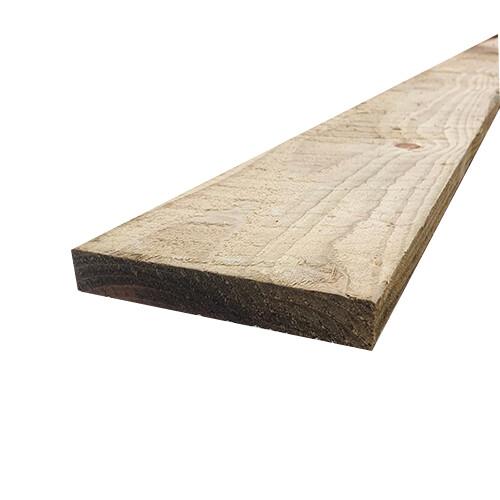
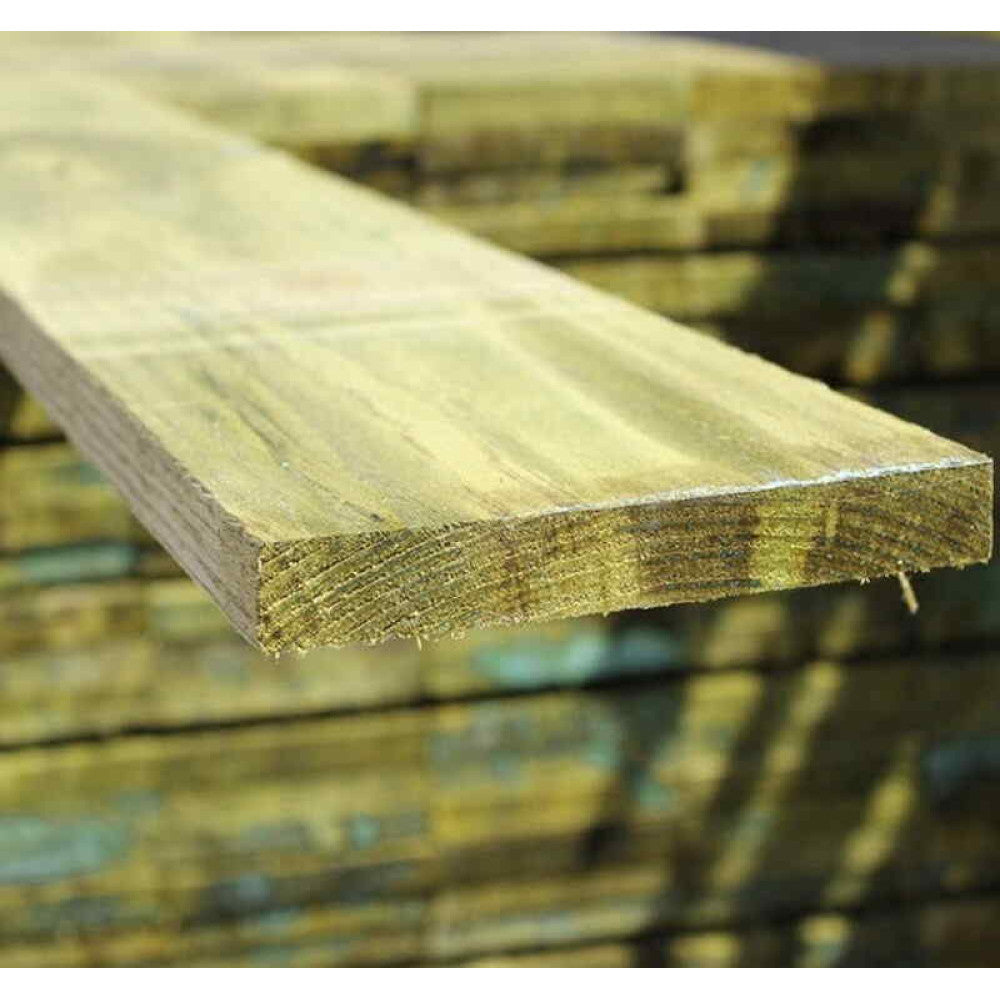
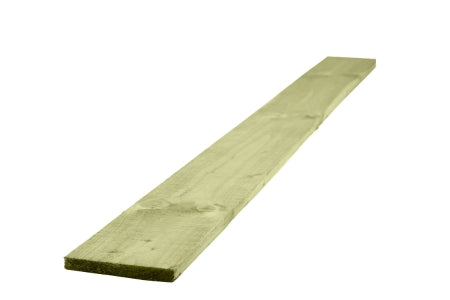
Quick answer: Treated softwood gravel boards are pressure treated timber boards used along the bottom of a fence to help protect featheredge boards, fence panels and other timber fencing from ground contact. They create a cleaner fence base, help close gaps under the fence and reduce moisture exposure at ground level.
What is this used for?
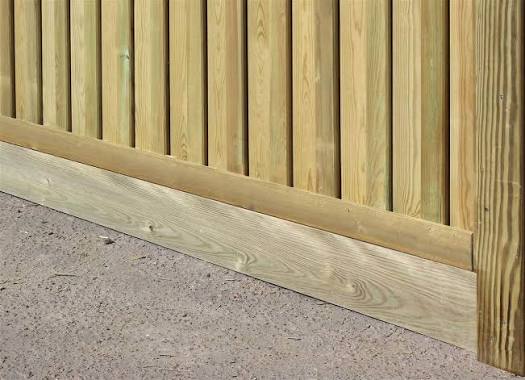
These treated softwood gravel boards are used as the lowest horizontal board in a timber fence run. They sit at the base of the fence, helping keep featheredge boards or fence panels away from direct contact with soil, debris and standing moisture.
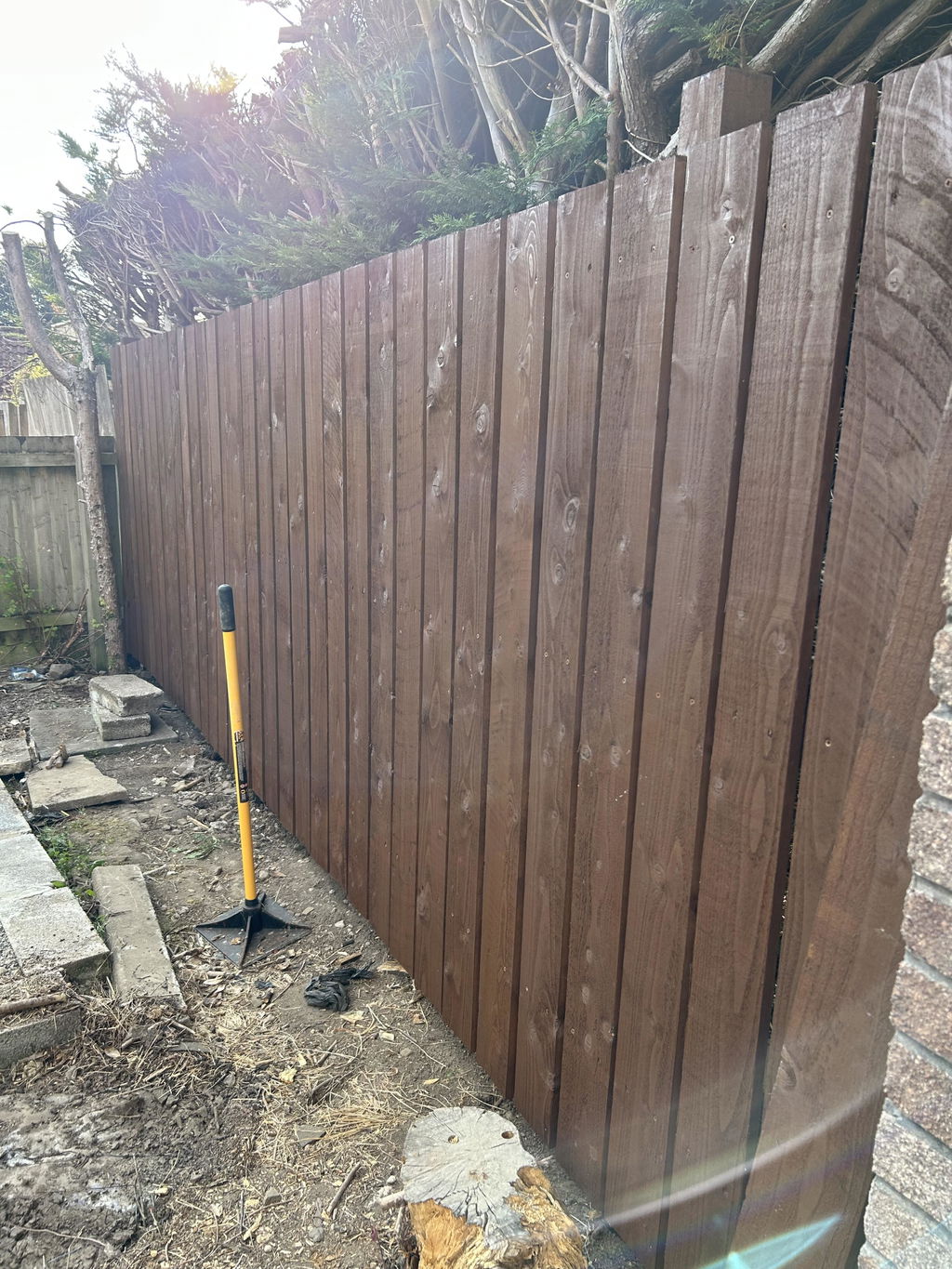
Typical uses include featheredge fencing, closeboard fencing, timber fence panels, garden boundaries, fence repairs and replacement base boards.
Is this the right board for your project?
Choose treated softwood gravel boards if you are building or repairing a timber fence and want to protect the main fencing above from ground-level moisture and damage. They are especially useful under featheredge boards and fence panels, where leaving the fencing directly against the ground can shorten its service life.
These boards are pressure treated for exterior above-ground use, but they should not be treated as structural posts or buried timber. If your fence needs support, use suitable fence posts. For a full featheredge fence, you will usually also need featheredge boards, motorway rails and fixings or postmix.
Which size should you choose?
These gravel boards are available in different heights and lengths to suit different fence designs, repairs and site conditions. The board height affects how much protection and gap coverage you get at the bottom of the fence.
| Gravel board size | Best used for |
|---|---|
| 100 x 25mm | Lower fence base protection, smaller gaps and repair work where a shallower board is enough. |
| 150 x 25mm | A common option for garden fencing, featheredge fencing and general fence base protection. |
| 200 x 25mm | Useful where you need a deeper base board, more gap coverage or a stronger visual base line. |
Size note: Imperial sizes are provided as a familiar reference only. All timber is sold in metric measurements, so please use the listed metric size when ordering or checking suitability for your project.
How do gravel boards help a fence last longer?
Gravel boards create a sacrificial base between the ground and the main fence boards or panels. This helps reduce direct contact with wet soil, splashback, debris and insect activity around the bottom of the fence.
They also help create a neater finish by closing gaps below the fence, especially where the ground is uneven or where a fence panel or featheredge board would otherwise sit too close to soil level.
Key features
- Pressure treated softwood: Treated for exterior above-ground fencing applications.
- Fence base protection: Helps keep featheredge boards and fence panels away from ground contact.
- Cleaner finish: Closes gaps at the bottom of fencing for a neater appearance.
- Multiple sizes available: Choose from 100mm, 150mm and 200mm board heights depending on the job.
- Useful for repairs: Practical for replacing damaged or rotten timber gravel boards in existing fencing.
- Trade and DIY use: Suitable for full fence runs, garden boundaries and general fencing repairs.
Things to check before ordering
- Fence type: Check whether the gravel board size suits your fence panels, featheredge fencing or closeboard fence design.
- Board height: Choose 100mm, 150mm or 200mm depending on how much base protection and gap coverage you need.
- Length: Choose a board length that suits your post spacing and cutting plan.
- Supporting materials: A full fence run may also need fence posts, featheredge boards, motorway rails and fixings or postmix.
- Drainage: Install with adequate drainage at ground level where practical.
- Cut ends: Re-treat freshly cut ends where possible after cutting.
- Fixings: Use suitable exterior-grade fixings for treated timber and outdoor fencing.
Complete the job
For a full featheredge or closeboard fence, use these gravel boards with suitable fence posts, featheredge boards, motorway rails and fixings and postmix. You may also need suitable nails or exterior-grade screws for fixing treated timber outdoors.
To plan a featheredge fence before ordering, use the Featheredge Fencing Calculator. To compare related fencing materials, view the full Gravel Boards collection.