
Estimate shipping
Description
Quick answer: Structural hardwood WBP plywood is a strong 2440mm x 1220mm sheet material used for construction, flooring, roof decking, wall lining, sheds, outbuildings and general building work. Thicknesses from 9mm and above are suitable for structural use, while thinner sheets are better treated as general-purpose plywood unless your project specification confirms otherwise.
What is this used for?
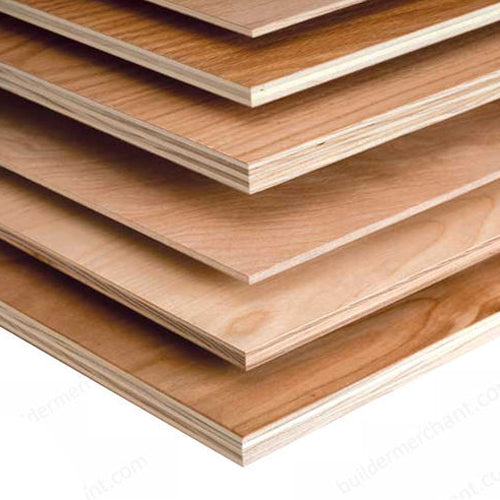
This structural hardwood WBP plywood is used for construction and general building projects where strength, reliability and consistent sheet performance are needed. It is made from hardwood veneers bonded together to create a stable plywood sheet suitable for a wide range of trade and DIY applications.
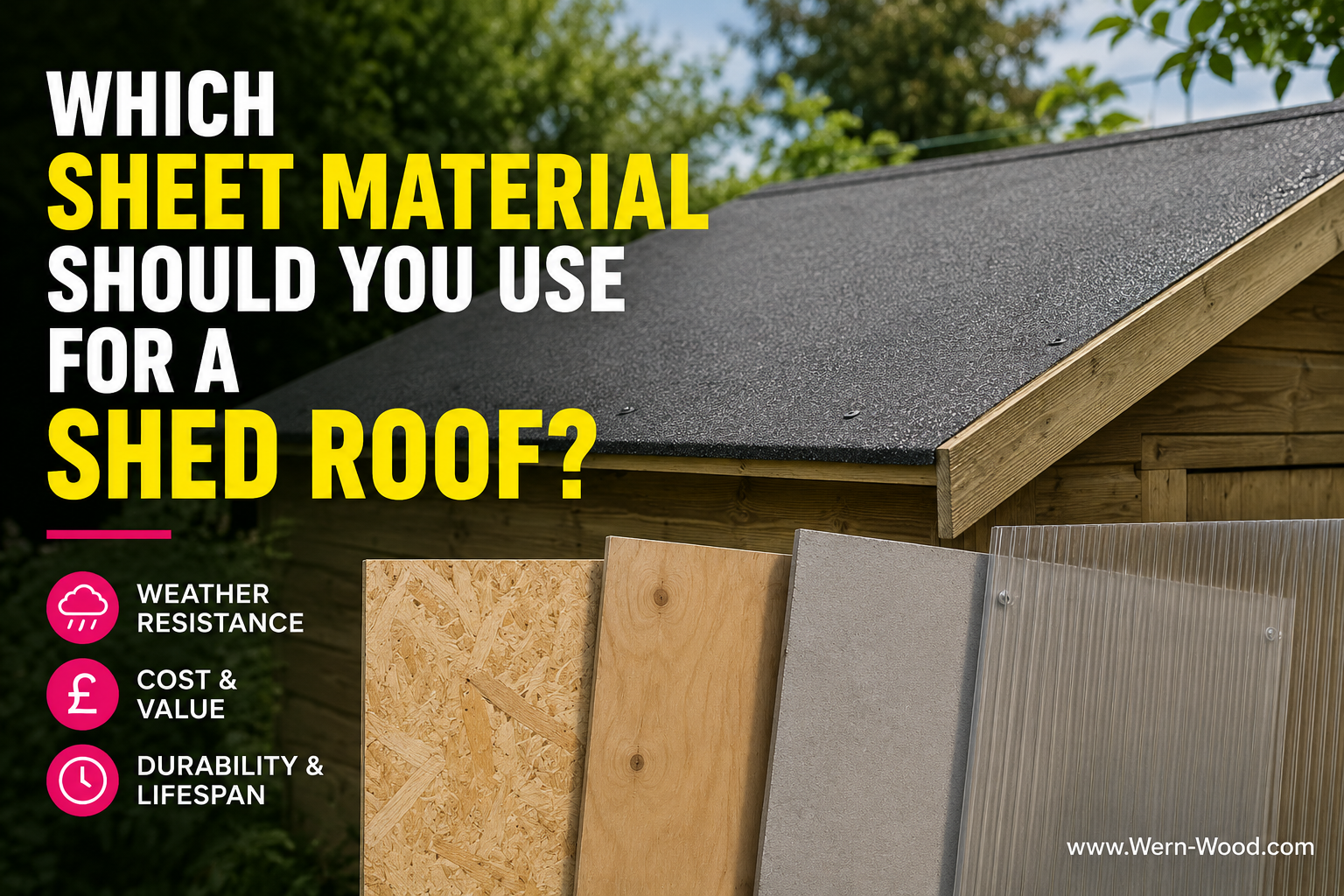
Typical uses include structural flooring, subflooring, roof decking, wall linings, studwork, sheds, outbuildings, site-built structures, boxing-in, repairs and general construction work.
Is this the right plywood for your project?
Choose structural hardwood WBP plywood where you need a stronger sheet material for building, construction or load-bearing applications. The product page states that thicknesses from 9mm and above are suitable for structural use.
The 3.6mm and 5.5mm options should be treated as thinner general-purpose plywood sheets unless your project specification confirms they are suitable for the intended use. For floors, roof decks, structural linings or load-bearing work, choose a suitable structural thickness and make sure the sheet is correctly supported and fixed.
This plywood is suitable for temporary exposure to humid or wet conditions during build stages when used correctly, but it should not be left permanently exposed to standing water or weather as an unfinished surface.
What does WBP plywood mean?
WBP is commonly used to describe plywood made with a weather and boil proof glue bond. It is a useful buying term, but the more important checks are the actual standards and suitability stated for the board.
This product page states that the plywood meets EN314-2 for bonding quality and EN636 for structural plywood use in humid conditions.
Which thickness should you choose?
The right thickness depends on the job, load, support spacing, fixing method and whether the sheet edges are properly supported. Do not choose plywood thickness by price alone where strength, stiffness or structural use matters.
| Plywood thickness | Common use |
|---|---|
| 3.6mm | Lightweight lining, templates, backing, craft work and general non-structural sheet work. |
| 5.5mm | Light lining, backing, boxing-in and general thin plywood applications where structural strength is not the main requirement. |
| 9mm | Light structural applications, wall lining, general building work and supported construction use where suitable for the specification. |
| 12mm | General construction, wall lining, roof deck work, sheds, outbuildings and supported structural applications. |
| 15mm | Stronger construction work, roof decks, wall lining, outbuildings and jobs needing a stiffer sheet. |
| 18mm | Flooring, subfloors, stronger roof decks, storage areas and applications where extra stiffness is needed. |
| 25mm | Heavy-duty construction, stronger platforms, thicker build-ups and projects where a much stiffer board is required. |
Structural use and compliance
The product page states that this plywood meets EN314-2 for bonding quality and EN636 for structural plywood use in humid conditions. These standards are important where plywood is being used in regulated building or construction applications.
For structural work, the final suitability depends on the full specification, sheet thickness, span, support spacing, fixing pattern, load and installation method. Where a project has a specific structural requirement, follow the specification or seek competent advice before ordering.
Key features
- Structural plywood: Thicknesses from 9mm and above are stated as suitable for structural use.
- Hardwood veneer construction: Made from hardwood veneers bonded together for strength and consistency.
- EN314-2 and EN636 rated: The product page states compliance with bonding and structural plywood standards.
- Full sheet size: 2440mm x 1220mm sheets for construction, flooring, roof decking and general building work.
- Multiple thicknesses available: Choose from 3.6mm, 5.5mm, 9mm, 12mm, 15mm, 18mm and 25mm options.
- Can be cut, drilled and fixed: Suitable for standard woodworking tools and appropriate structural sheet fixings.
Things to check before ordering
- Structural thickness: The product page states structural suitability from 9mm upwards. Treat 3.6mm and 5.5mm as thinner general-purpose sheets unless specified otherwise.
- Sheet size: These are full 2440mm x 1220mm sheets, so plan handling, transport, storage and cutting before ordering.
- Support spacing: For flooring, roof decking and load-bearing applications, check joist, rafter or support spacing before choosing thickness.
- Edge support: Sheet edges should land on joists, rafters, noggins or other suitable support wherever possible.
- Moisture exposure: Suitable for temporary humid or wet exposure during build stages when used correctly, but protect from prolonged standing water.
- Expansion: Allow for expansion where required in flooring, wall and larger sheet applications.
- Fixings: Use appropriate screws, nails or fixings for structural sheet materials and the background being fixed into.
- Storage: Store sheets flat, dry and protected before installation.
Complete the job
For sheet material work, you may also need suitable screws, nails, joists, rafters, noggins or framing timber depending on the project. To compare alternatives, view the full Sheet Materials range, Plywood Sheets, OSB3 Sheets or Birch Plywood.
For roof deck projects, you may also need a suitable covering from the Roofing Membrane & Shed Felt range. For timber framing behind the sheet, view Structural Timber.