UC3 vs UC4 Treated Timber: The Difference That Stops Outdoor Jobs Failing
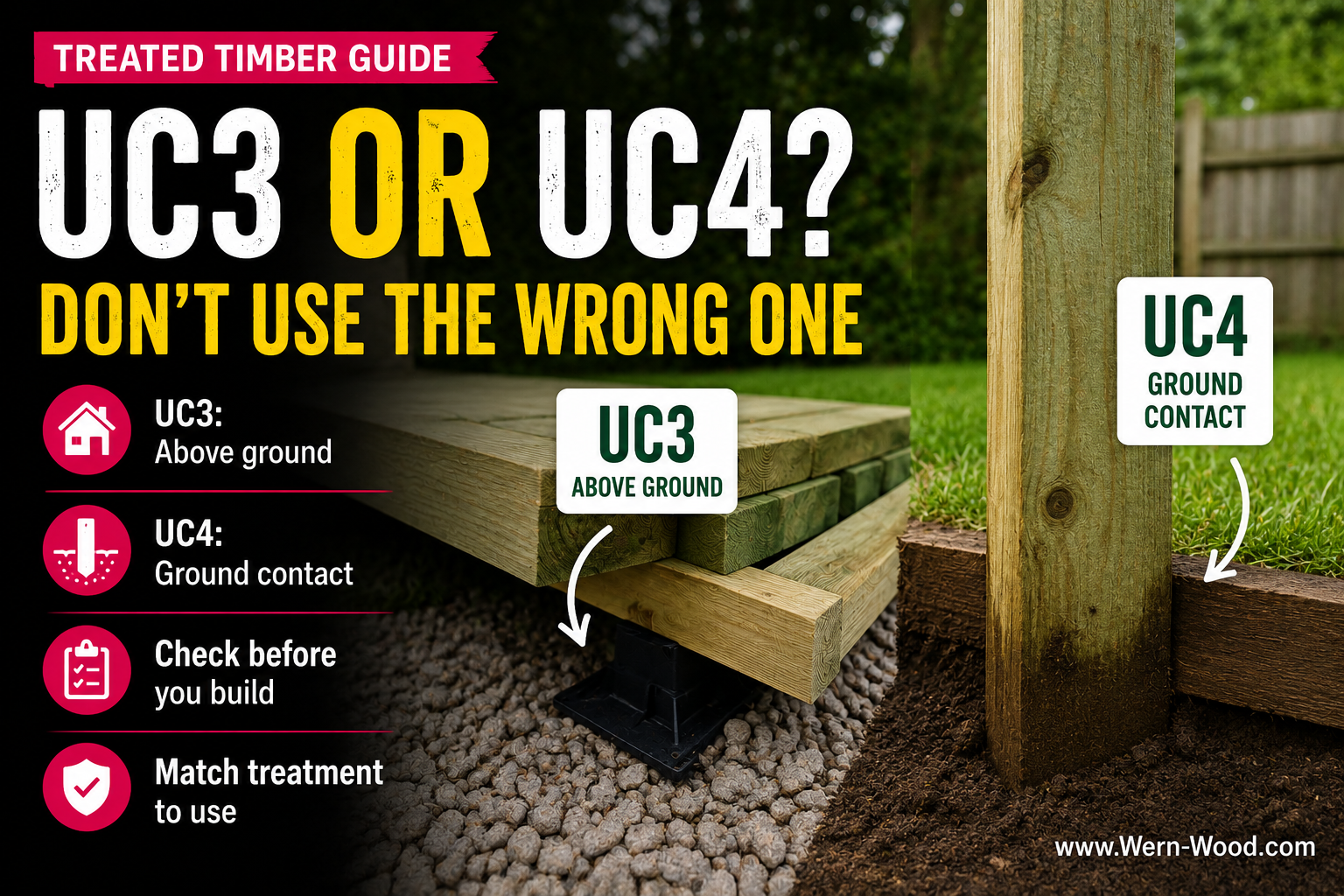
UC3 treated timber is for outdoor, above-ground use where the timber is exposed to the weather but not in contact with soil or fresh water. UC4 treated timber is for ground contact, very wet conditions, fresh-water contact, or exterior structural support. In plain English: fence boards, rails and decking boards are often UC3-type uses; fence posts, ground-contact sleepers, deck posts and timber close to damp ground should make you think UC4.
UC3 and UC4 treated timber can look very similar in the yard. That is the problem.
A customer sees “treated timber” and assumes it means “fine outside”. Sometimes it does. Sometimes it does not. The treatment level has to match where the timber is being used, how wet it will stay, and whether failure would matter.
This is where outdoor projects go wrong. A board used above ground and a post buried in soil are not doing the same job. They should not be specified the same way.
What does UC mean in treated timber?
UC stands for Use Class. It is a way of matching preservative-treated timber to the conditions it will face in service.
The higher-risk the moisture exposure, the more important the correct Use Class becomes. Indoor timber, above-ground outdoor timber, and ground-contact timber are different situations.
- UC3: outdoor above ground
- UC4: ground contact
- UC4: fresh-water contact
- UC4: frequently wet
- UC4: exterior structural support
- Cut ends need protection
Do not ask only “is it treated?” Ask “what Use Class is it treated for?” UC3 and UC4 are both treated timber, but they are not designed for the same exposure.
UC3 treated timber: outdoor, above ground
UC3 is for timber used outdoors but not in contact with the ground. It is exposed to weather, but it should be able to dry between wet periods.
Typical UC3-type uses include:
- Fence rails and boards that are above ground.
- Decking boards where the product is specified for that use.
- External cladding and above-ground outdoor carpentry.
- Pergola or garden structure components that do not touch the ground.
UC3 is the right conversation for many above-ground outdoor components. It is not the right answer for posts buried in soil or timber that stays wet because it cannot dry properly.
When UC3 goes wrong
UC3 timber fails early when it is pushed into a UC4 situation. That usually means ground contact, trapped moisture, poor airflow, or permanent wetting.
- Using general treated timber as a fence post.
- Letting above-ground timber sit directly on soil or wet concrete.
- Building a deck frame too close to damp ground without suitable specification.
- Using cut ends in the ground.
- Trapping timber where water cannot drain or air cannot move.
UC4 treated timber: ground contact and higher-risk outdoor use
UC4 is for timber in contact with the ground, very close to the ground, in fresh-water contact, frequently wet, or providing exterior structural support.
Typical UC4-type uses include:
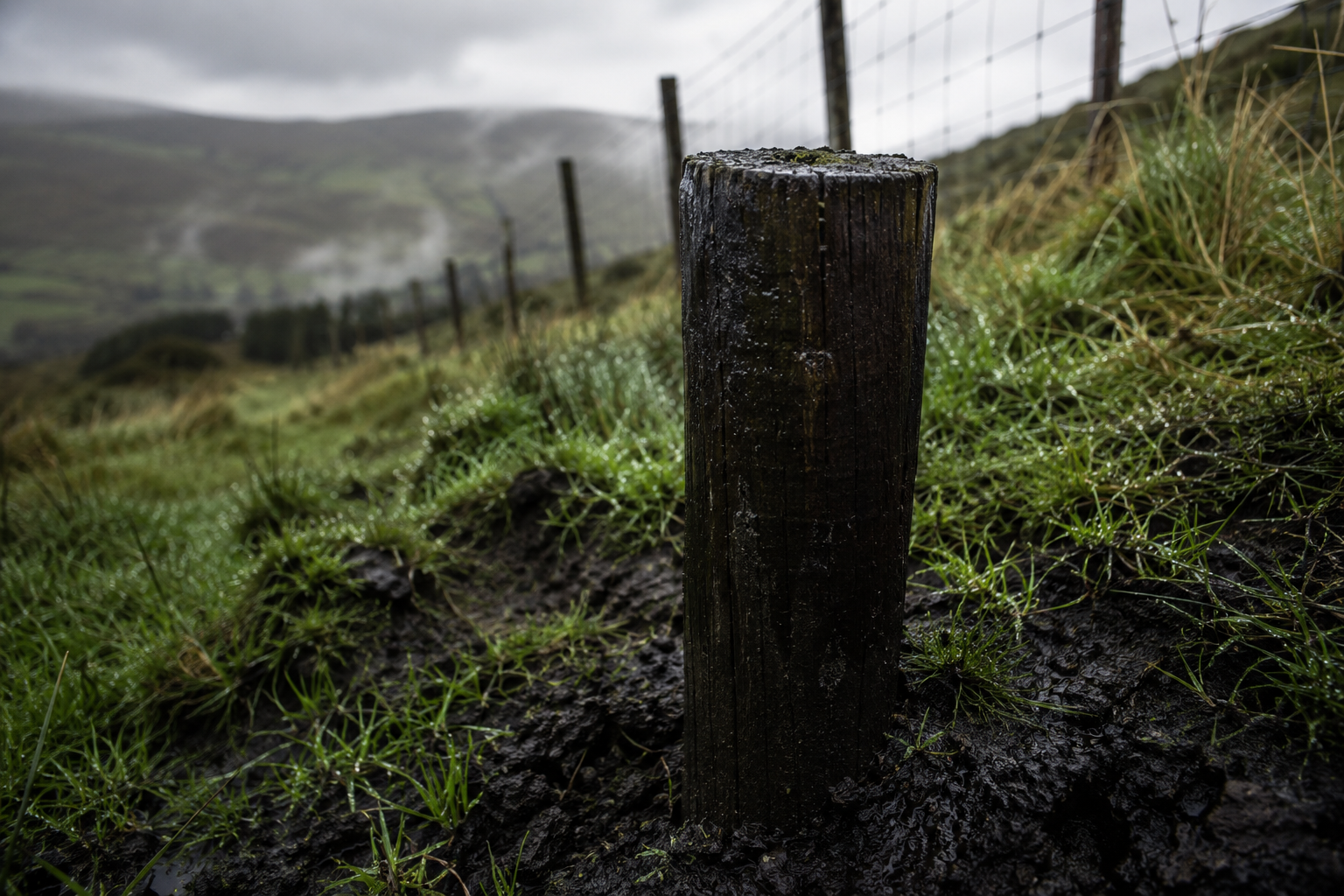
- Fence posts set into the ground.
- Deck posts or supports where moisture risk is high.
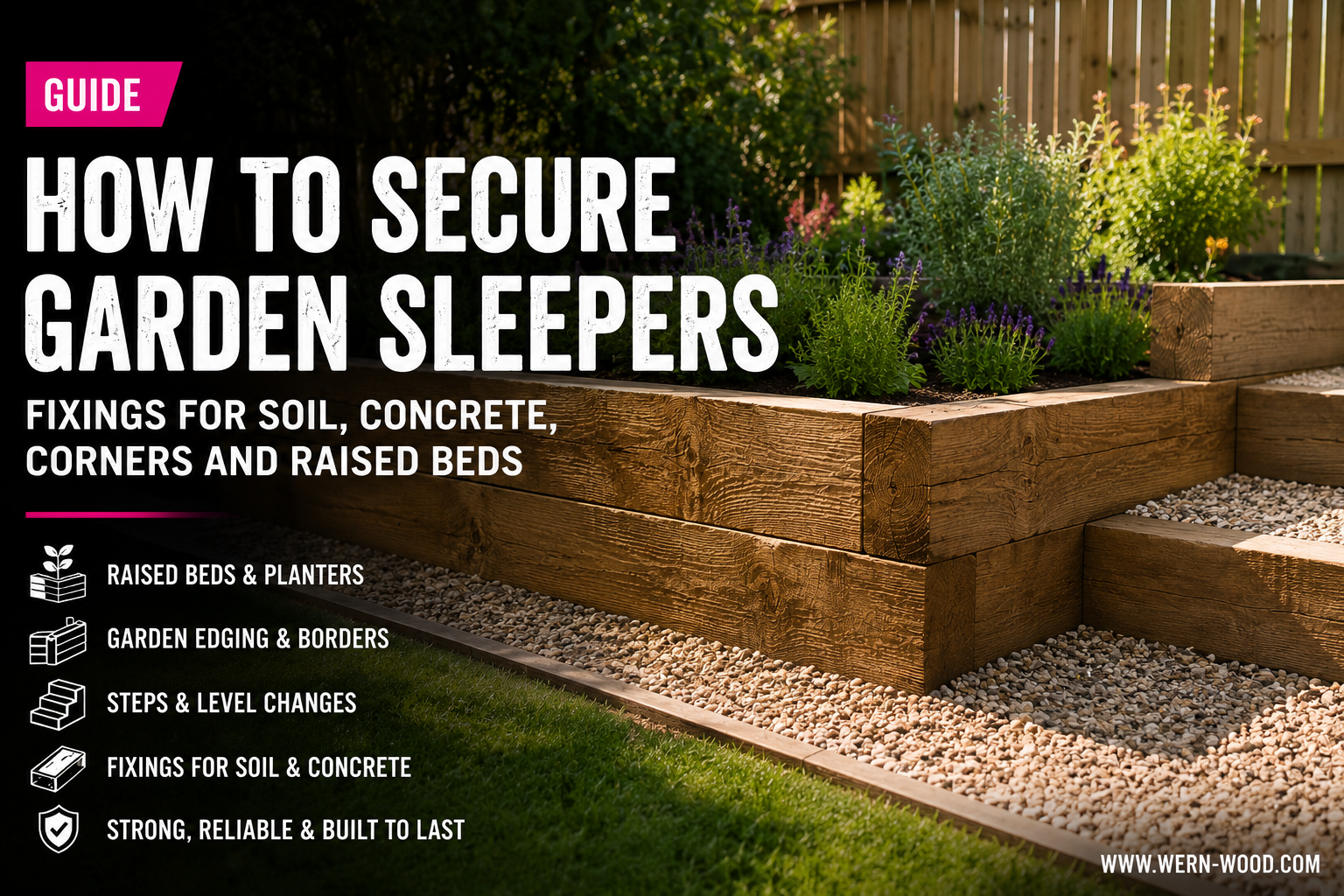
- Sleepers and landscaping timbers used against soil.
- Ground-contact edging and retaining features.
- Exterior structural components where the risk and consequence of failure are higher.
If the timber will touch soil, sit close to damp ground, be permanently wet, or be difficult to replace once fitted, UC4 should be part of the conversation.
If the timber is going into the ground, sitting against soil, supporting a structure, or staying wet, do not treat it like ordinary above-ground treated timber. This is exactly where UC4 matters.
UC3 vs UC4: practical comparison
The simplest way to choose is by looking at how the timber will live once fitted.
| Question | UC3 | UC4 |
|---|---|---|
| Where is it used? | Outdoors, above ground. | Ground contact, fresh-water contact, frequently wet or exterior structural support. |
| Can it dry out? | Yes, it should be able to dry between wet periods. | It may stay wet, sit in soil, or be exposed to higher moisture risk. |
| Typical examples | Fence rails, boards, deck boards, external cladding, above-ground garden structures. | Fence posts, deck posts, landscaping sleepers, retaining edges, ground-contact components. |
| Main mistake | Using it where it cannot dry out. | Not asking for it where ground contact or frequent wetting is involved. |
| Buying question | “Is this above ground and ventilated?” | “Will this touch soil, stay wet, or support something important?” |
Quick project guide: what should be UC3 and what should be UC4?
Use this as a practical buying guide. Always check the specific product before fitting.
| Project/component | Typical Use Class thinking | Wern-Wood starting point |
|---|---|---|
| Featheredge boards | Usually above-ground outdoor use. | Featheredge Boards |
| Fence rails | Usually above-ground outdoor use. | Fence Rails |
| Fence posts | Ground contact: think UC4. | Fence Posts |
| Decking boards | Outdoor above-ground decking use. | Decking Boards |
| Deck posts or low subframes | Close to damp ground or supporting structure: check specification carefully. | Structural Timber |
| Sleepers and landscaping edges | Soil contact and frequent wetting: think UC4. | Garden Sleepers |
| Gravel boards | Near ground, splashback and wet fence bases: check product suitability. | Gravel Boards |
For broader outdoor jobs, start with Fencing, Decking & Landscaping and choose the timber by where it will actually be used.
Common mistakes with UC3 and UC4 timber
1. Using UC3 timber for fence posts
Fence posts are one of the highest-risk parts of a fence because they usually sit in wet ground. General above-ground treated timber should not be used as a fence post unless it is specifically suitable for ground contact.
2. Treating decking boards and deck frames the same
Decking boards and deck subframes do different jobs. The boards are visible and exposed to foot traffic and weather. The frame may sit closer to damp ground, have less airflow, and be harder to replace later. The subframe specification matters.
3. Leaving the bottom of fencing in the wet
Fence boards and panels should not sit directly on soil. Gravel boards help lift the timber away from splashback and ground moisture, reducing avoidable wetting at the bottom of the fence.
4. Forgetting cut-end treatment
When treated timber is cut, notched, drilled or bored, the freshly exposed areas should be protected with a suitable end-grain preservative. This is especially important in outdoor work.
5. Putting cut ends into the ground
Even if end-grain preservative is applied, cut ends should not be put into the ground. For posts and ground-contact work, plan cuts carefully so the correct treated end is doing the job.
6. Buying by appearance instead of use
UC3 and UC4 timber can look similar. The difference is not always obvious by eye. Choose by specification and intended use, not just by colour or appearance.
Do UC4 products still need good installation?
Yes. UC4 treatment is not a licence to install timber badly. Ground-contact timber still needs sensible installation, drainage where appropriate, correct fixings, and proper handling.
- Do not leave timber sitting in standing water before installation.
- Do not trap water where it cannot drain.
- Protect cut, drilled or notched areas.
- Use suitable exterior fixings.
- Match posts, rails, boards, fixings and postmix to the full job.
For fencing jobs, remember that the timber is only part of the system. You may also need Postmix & Fence Fixings, suitable posts, boards, rails and gravel boards.
Before you order treated timber
Before buying, answer these questions:
- Will the timber touch soil?
- Will it sit close to damp ground?
- Will it be frequently wet or unable to dry properly?
- Is it supporting a structure?
- Will it be difficult to replace after installation?
- Will you need to cut, drill or notch it?
- Do you also need postmix, fixings, gravel boards or drainage?
If any of those answers point towards ground contact, frequent wetting, limited airflow or structural support, check the product specification before ordering.
FAQs
What is the difference between UC3 and UC4 treated timber?
UC3 treated timber is for outdoor use above ground where the timber is exposed to weather but not in contact with soil or fresh water. UC4 treated timber is for ground contact, fresh-water contact, frequent wetting, or exterior structural support.
Can UC3 timber be used outside?
Yes, UC3 timber is for outdoor above-ground use. It should not be used where the timber is in ground contact, permanently wet, or unable to dry properly.
Do fence posts need UC4 treatment?
Timber fence posts normally need to be suitable for ground contact because they are usually set into soil or concrete and exposed to long-term moisture. UC4 is the Use Class to look for in ground-contact timber.
Are decking boards UC3 or UC4?
Decking boards are often an above-ground outdoor use, so UC3-type specification is common. The frame or posts beneath the deck may have higher moisture risk, especially if close to damp ground, so check the specification carefully.
Do sleepers need UC4 treatment?
Sleepers used against soil, in raised beds, edging, steps or retaining features should make you think UC4 because they are often in ground contact or frequently wet.
Can I tell UC3 and UC4 timber apart by looking?
Not reliably. UC3 and UC4 timber can look similar. Check the product description, supplier information or ask before fitting.
Do I need to treat cut ends?
Yes. Freshly cut, drilled, notched or bored treated timber should be protected with a suitable end-grain preservative. Cut ends should not be placed into the ground.
Summary: UC3 above ground, UC4 where moisture risk is higher
If you want the simple version, UC3 is for outdoor timber above ground. UC4 is for timber in ground contact, close to the ground, frequently wet, in fresh-water contact, or providing exterior structural support.
The biggest mistake is treating all “treated timber” as the same thing. Choose the Use Class for where the timber will live, not just for how it looks in the yard.
Choosing treated timber for an outdoor job?
Start with the project, then match the timber to where it will be used. Browse fencing, decking, sleepers, fence posts, rails, gravel boards and fixings before you cut or fit anything.
Shop Fencing, Decking & Landscaping → Order online or collect from our Briton Ferry yard. Yes, we deliver.Sources checked: Wood Protection Association guidance on preservative treatment and Use Class 4 timber; Timber Development UK guidance on Use Class 3; WPA Buyer’s Guide to Preservative Treated Wood. This article is general guidance only. Always check the product specification before fitting, especially for ground contact, decking subframes, exterior structural support, fresh-water contact, agricultural use or retaining features.